
How to Avoid Foreign Card Declines: 15 Causes and Fixes

How to Avoid Foreign Card Declines: 15 Causes and Fixes
A foreign card decline rarely means you are out of money. It usually means a risk engine somewhere decided your transaction looked wrong. The charge travels through your bank's fraud filters, the card network's routing rules, and the merchant's own checks in under a second. If any layer hesitates, the payment fails silently — often with no useful explanation on the terminal.
This guide breaks down why international declines happen, what you can fix before you travel or before a big cross-border purchase, and how stablecoin-backed virtual cards can serve as a resilient fallback when traditional cards keep getting blocked.
Why Foreign Card Declines Happen
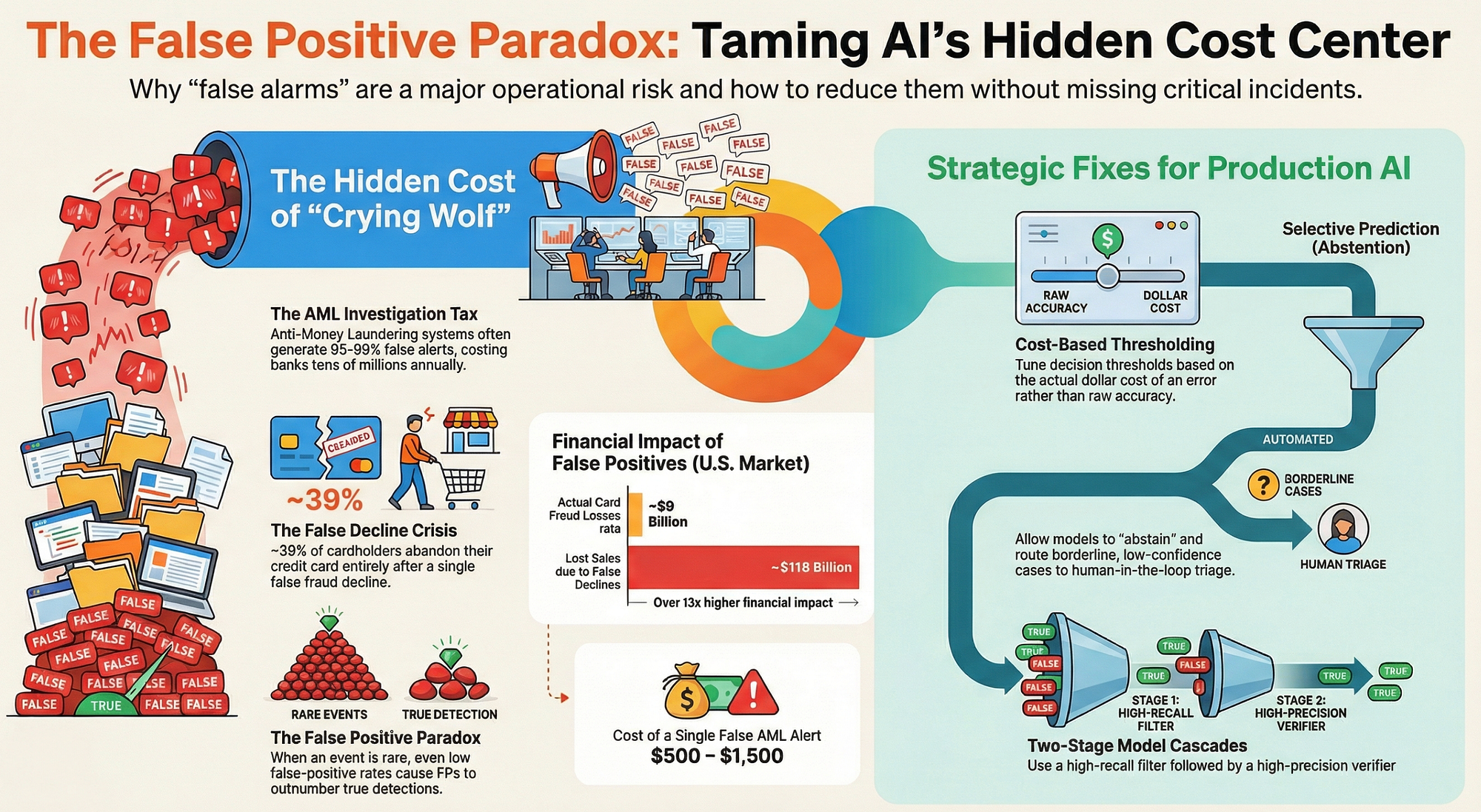
How to Avoid Foreign Card Declines: 15 Causes and Fixes - Why Foreign Card Declines Happen.
A cross-border transaction is not a single yes-or-no decision. It is a chain of automated checks. When you tap or enter your card abroad, the merchant sends a request to the acquiring bank, which routes it through Visa, Mastercard, or another network to your issuing bank. Your bank then runs location analysis, spend-pattern comparison, merchant category checks, and compliance filters — all in milliseconds.
If any of those systems flags the transaction, the result is a decline. There is no human review in real time. That is why preparation matters more than calling your bank after the fact.
The Most Common Causes of Foreign Card Declines

How to Avoid Foreign Card Declines: 15 Causes and Fixes - The Most Common Causes of Foreign Card Declines.
1. International Usage Is Disabled
Many banks keep international transactions off by default. Even when you enable them in an app, you may only be turning on one channel — point-of-sale, ATM, or e-commerce — while the others stay blocked. Check all three before you travel or before a large overseas purchase.
2. Bank Fraud Flags on Unexpected Activity
The single most common decline trigger is automated fraud prevention. A charge from a new country, a new merchant, or an unusual time zone can look suspicious to a risk model. Using your card at home shortly before a foreign charge can even look physically impossible to the system, triggering a block.
3. 3D Secure and OTP Failures
Many cards require 3D Secure verification — Visa Secure, Mastercard Identity Check, or a one-time password sent by SMS. If you are abroad without roaming, or your bank texts a number you cannot receive messages on, you never get the code. The payment fails even though the card is valid and funded.
4. Dynamic Currency Conversion Traps
When a merchant or ATM offers to charge you in your home currency instead of the local one, that is Dynamic Currency Conversion (DCC). It sounds convenient, but it changes the transaction routing, adds a markup, and increases decline probability. Always choose the local currency.
5. Hotel and Rental Pre-Authorizations
Hotels and car rental agencies often place holds of 1.5x to 2x the expected charge. Some cards fail these pre-authorization checks, decline silently, or get temporarily locked after repeated attempts. This is especially common with debit cards and low-limit cards.
6. PIN vs. Signature Mismatch
Many countries have moved to PIN-only terminals. If your card expects a signature fallback, the terminal may reject it outright. This is a structural mismatch, not a problem you can solve at the counter.
7. Merchant Category Restrictions
Banks sometimes block specific merchant categories — fuel pumps, transport kiosks, vending machines, gambling venues — even when the rest of your card works fine. Your card may work at dinner and fail at the metro station an hour later.
8. Daily International Limits
Banks often impose separate, lower limits for international transactions, ATM withdrawals, and online purchases. These caps are frequently not disclosed clearly. A single large purchase can hit a hidden ceiling and decline.
9. AVS and Billing Address Mismatches
Some checkouts run an Address Verification Service check. If your billing address does not cleanly match what your bank has on file — common with foreign-issued cards where AVS support is partial — the transaction can decline even with a valid, funded card.
10. Prepaid and Virtual Card Rejections
Certain prepaid cards, single-use virtual cards, and regional debit cards are rejected outright by some merchants and processors, especially for cross-border digital purchases.
11. Card Expiry Horizon Rules
Some international systems reject cards expiring within three to six months, even if the card is technically valid. This is a backend rule you cannot see until the decline happens.
12. Chip Sensitivity and Wear
International EMV readers are often less tolerant of micro-scratches, slight chip misalignment, or bent cards. A card that works at home may fail repeatedly abroad.
13. Overlapping Decline Attempts
Retrying a declined card multiple times in quick succession can escalate the risk score, lock the card temporarily, or trigger a bank-wide block. One retry is reasonable. Five is counterproductive.
14. ATM Routing Incompatibility
An ATM may display your card's logo and still fail because the local switch rejects your issuer, network fallback is disabled, or the magnetic stripe is blocked. Compatibility depends on backend settlement agreements, not branding.
15. Settlement Currency Mismatch
Some merchants settle in a third currency or through regional clearing hubs. That extra layer can fail authorization even when the merchant, network, and bank all appear compatible.
How to Prevent Foreign Card Declines Before They Happen

How to Avoid Foreign Card Declines: 15 Causes and Fixes - How to Prevent Foreign Card Declines Before They Happen.
Check Every Channel, Not Just One
Log into your banking app and verify that international point-of-sale, ATM, and e-commerce transactions are all enabled. Many banks separate these toggles. Check your daily international limits at the same time and raise them if needed.
Notify Your Bank — Even If They Say It Is Automatic
Banks have automated fraud systems, but a travel notification still helps align location-based risk checks with legitimate usage. This is especially important for high-value transactions, hotel deposits, and repeated payments in a short window.
Carry at Least Two Payment Rails
Never rely on a single card abroad. A practical setup includes one credit card, one debit or forex card, and a backup option that does not depend on your issuing bank's approval at all. Each serves a different risk function.
Always Choose Local Currency
When a terminal or ATM offers to charge you in your home currency, decline. Paying in local currency keeps the authorization path simpler, avoids unnecessary markups, and reduces the chance of bank-side rejection.
Match the Card to the Use Case
Credit cards work best for hotels, car rentals, and emergencies because they handle pre-authorizations more gracefully. Debit and forex cards work better for daily spending. Cash still matters for small vendors. Using the wrong tool for the job increases decline risk.
What to Do When a Foreign Card Decline Happens
How to Avoid Foreign Card Declines: 15 Causes and Fixes - What to Do When a Foreign Card Decline Happens.
- Stop retrying immediately. Repeated attempts escalate risk scores and can lock the card.
- Switch cards or networks. A different issuer or network may not flag the same transaction.
- Choose local currency. If DCC was the trigger, this fixes the routing.
- Try a different merchant or terminal. Some terminals have stricter local routing rules.
- Check your banking app. Look for an international toggle, a travel notice option, or a freeze you can lift in seconds.
- Use a backup payment method. This is where a stablecoin-funded virtual card becomes genuinely useful.
A Resilient Fallback: Stablecoin Virtual Cards
When your card is the bottleneck, a payment method that does not depend on your issuing bank's real-time fraud decision has structural advantages. Stablecoin virtual cards — funded with USDC or USDT — route around the exact systems that just declined you.
For businesses, this matters even more. A corporate team paying for SaaS subscriptions, digital ads, or travel across multiple countries cannot afford to have a single card frozen because a fraud model flagged an unusual location. Platforms like Cardfornia address this by issuing multi-currency virtual cards funded from a single stablecoin balance. Teams can create cards at scale, set per-card limits, and maintain real-time control over operating expenses — without exposing a primary bank account to cross-border risk.
The same logic applies to individual travelers and remote workers. A crypto virtual card for digital marketing or SaaS spend eliminates the bank-approval dependency that causes most foreign declines. The payment is pushed from a funded wallet, not pulled through a risk engine that may or may not approve it.
Why Stablecoins Reduce Decline Risk
- No issuing bank fraud model. The payment is pushed from a wallet, so there is no real-time bank decision to block it.
- No DCC trap. Stablecoins settle in a dollar-pegged value, so the amount you see is the amount you pay.
- No hidden international limits. Card limits are set by you, not by a bank's undisclosed caps.
- No 3D Secure SMS dependency. Verification happens at the wallet level, not through a phone number you may not be able to receive messages on.
For crypto-native companies and globally scaling businesses, this is not a workaround — it is the primary payment infrastructure. Cardfornia's corporate virtual cards are designed for exactly this use case: funding a single account with USDT or USDC, issuing cards to teams, and settling multi-currency transactions automatically. Client funds are held in segregated accounts with third-party licensed custodians, and card-issuing activities run through licensed partners across Hong Kong, the UK, the US, and Canada.
Comparing Payment Options for Cross-Border Spending
| Option | Decline Risk | FX Cost | Best For |
|---|---|---|---|
| Traditional credit card | Medium-high (fraud flags, DCC, 3DS) | 1-3% foreign transaction fee | Hotels, rentals, emergencies |
| Forex or prepaid card | Low-medium (still bank-dependent) | Preloaded rate, some fees | Daily travel spending |
| Debit card linked to savings | High (exposes primary account) | ATM fees, FX fees | Cash withdrawals only |
| Stablecoin virtual card | Low (no bank approval dependency) | Minimal, transparent | SaaS, ads, travel, recurring cross-border payments |
The right choice depends on your risk tolerance and use case. For businesses with recurring cross-border expenses, a stablecoin payment setup for cloud services and SaaS subscriptions removes the most common decline triggers entirely.
Related reading
- How to Simplify Business Crypto Payments in 2026 - Learn how to simplify business crypto payments with stablecoins, virtual cards, and smart infrastructure. Compare gateways, cut fees, and automate spend.
- USD/CNY Exchange Rate: How the Dollar-Yuan Pair Works - Understand the USD/CNY exchange rate, what drives the dollar-yuan pair, how to read live quotes, and what it means for businesses and cross-border payments.
- Digital Marketing Crypto Cards: A 2026 Guide - Learn how crypto virtual cards simplify digital marketing spend on Meta, Google, and TikTok. Compare card types, avoid bans, and manage ad budgets with stablecoins.
Sources and further reading
- Overseas Card Fees (and How to Avoid Them) - American travelers often return home to discover they paid more for their trip than they thought they had, thanks to banks charging high fees for overseas transactions. With some forethought, you can keep these fees to a minimum.
- How To Avoid Card Declines While Traveling Internationally - Xotik Travel And Forex Pvt Ltd - The Definitive Guide for Indian Travelers (Banking Logic, Forex Design & Risk Systems Explained)
- Card Declined Abroad? Pay for eSIM Data Another Way - Your card keeps getting declined while buying travel data abroad? Learn why foreign card declines happen (bank fraud flags, 3DS failures, prepaid rejections) and how to pay for an eSIM another way — including crypto via Stripe.
Frequently Asked Questions
Why does my card work at home but get declined abroad?
International transactions pass through additional fraud detection, currency settlement, and regulatory checks. Banks often disable international usage by default, apply geo-risk filters, or flag unusual spending behavior when a card is used in a foreign country. A decline abroad is usually a risk-management decision, not a technical error.
Should I inform my bank before traveling internationally?
Yes. Even with automated fraud systems, a travel notification reduces the chance of false declines — especially for high-value transactions, hotel deposits, and repeated payments in a short time. It helps banks align location-based risk checks with legitimate usage.
Why should I always choose local currency instead of my home currency abroad?
Choosing your home currency activates Dynamic Currency Conversion, which changes the transaction routing and often increases both cost and decline probability. Paying in local currency keeps the authorization path simpler and avoids unnecessary markups.
Can an ATM reject my card even if the logo matches?
Yes. Even if an ATM displays Visa or Mastercard logos, local routing rules or regional switches may still reject your card. Compatibility depends on backend settlement agreements, not branding on the screen.
How many cards should I carry for international travel?
At least two, ideally three: one credit card for hotels and emergencies, one debit or forex card for daily spending, and a backup that does not depend on your issuing bank — such as a stablecoin-funded virtual card. Each serves a different risk function.
Do stablecoin virtual cards work for everyday foreign purchases?
Yes. Stablecoin virtual cards issued through licensed card networks work at most merchants that accept Visa or Mastercard. Because the payment is pushed from a funded wallet rather than pulled through a bank's fraud engine, the decline risk from cross-border flags is significantly lower.
Conclusion
Foreign card declines are predictable, not random. They happen when bank risk engines, network routing rules, and merchant checks misalign with your profile, destination, or spending pattern. You can prevent most declines by enabling all international channels, notifying your bank, carrying multiple payment rails, choosing local currency, and matching the right card to the right use case.
For businesses and frequent cross-border spenders, the most resilient fix is structural: use a payment method that does not depend on a bank's real-time approval. Stablecoin virtual cards — like those offered by Cardfornia — remove the most common decline triggers while keeping spending transparent, controlled, and settled in multi-currency environments. Plan your payment design before you travel or before your next cross-border purchase, and a declined card becomes an inconvenience rather than a crisis.