
Instant Crypto Card Issuance: How It Works in 2026
Instant Crypto Card Issuance: How It Works in 2026
Instant crypto card issuance is the process of generating a working virtual card number from a crypto or stablecoin balance in minutes rather than days. You fund an account with USDT, USDC, or another supported asset, pass identity and business checks, and receive card credentials you can add to a browser checkout or mobile wallet almost immediately.
The speed is real, but it is not magic. What actually happens behind an "instant" card is a chain of compliance checks, custody arrangements, and card-network authorization rules. Understanding that chain helps you choose a provider that issues fast and keeps working after the first transaction.
What "Instant" Actually Means
Instant Crypto Card Issuance: How It Works in 2026 - What "Instant" Actually Means.
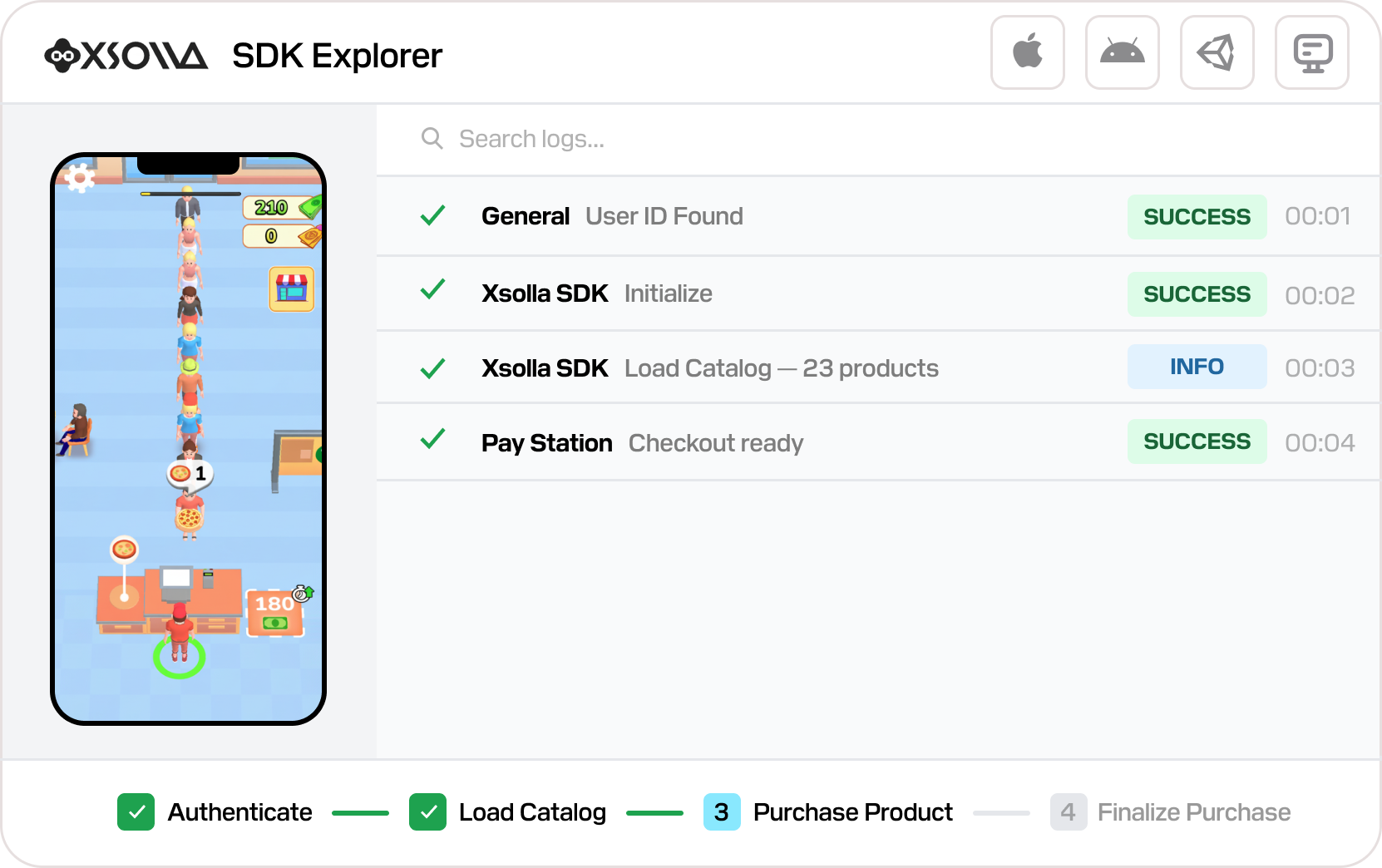
When a provider advertises instant issuance, they usually mean one of three things:
- Instant virtual card creation. A card number, expiry, and CVV are generated within seconds or minutes of approval. This is the most common claim.
- Instant funding. Your stablecoin deposit is credited and available to spend quickly, sometimes after a single blockchain confirmation.
- Instant activation. The card can be added to Apple Pay, Google Pay, or a merchant checkout without waiting for a physical card to ship.
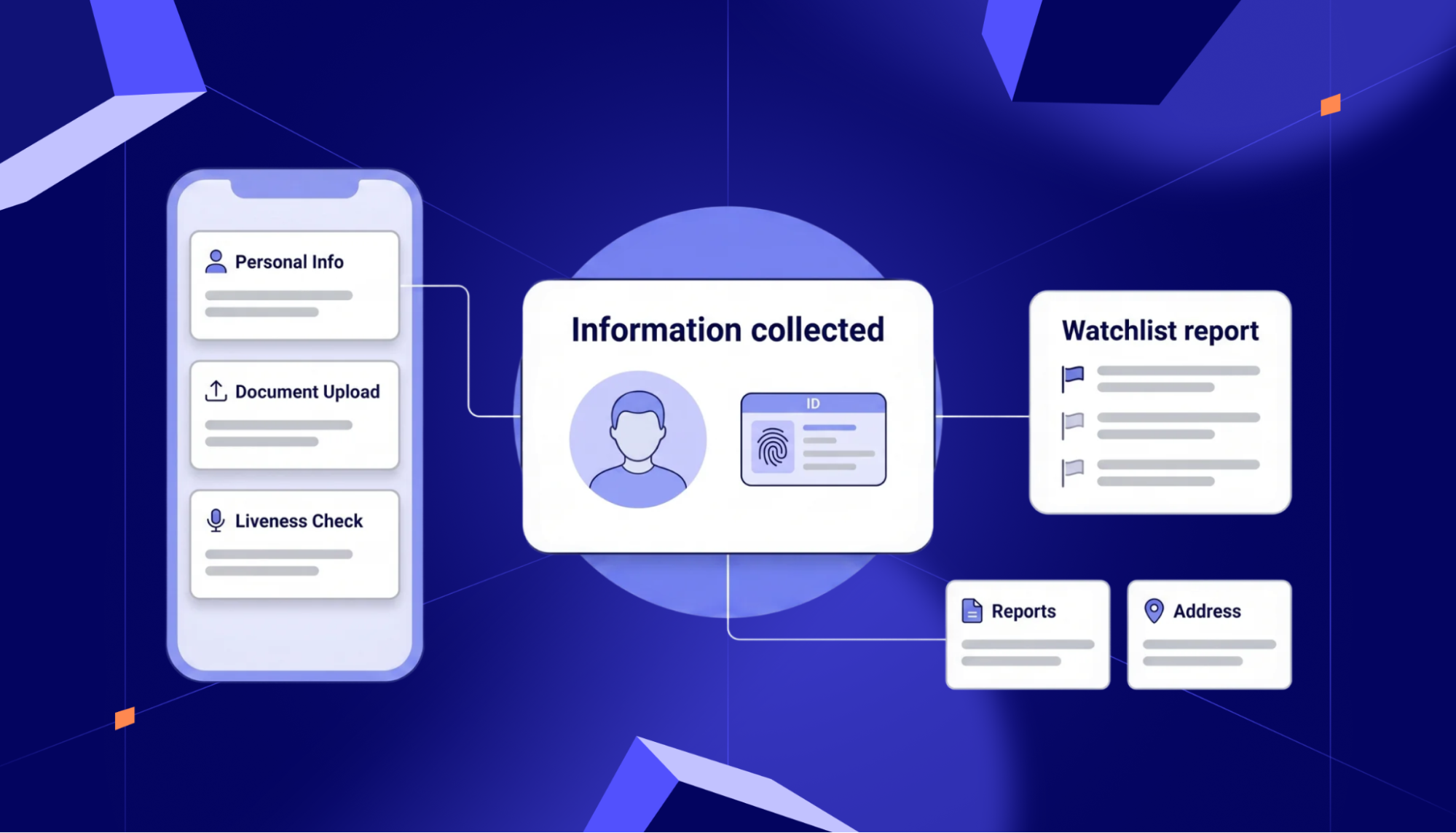
What is not instant is the compliance layer. Even the fastest issuers run know-your-customer (KYC) and, for companies, know-your-business (KYB) checks before a card goes live. For individuals, this can be a few minutes with automated document and liveness checks. For businesses, verification of incorporation documents, beneficial owners, and sometimes source-of-funds questions can take longer.
A realistic expectation: an individual virtual card can be live the same day. A corporate card program with multiple cards, spend controls, and team permissions typically takes longer to configure, even if each individual card is issued in seconds once the account is approved.
The Issuance Pipeline, Step by Step
Instant Crypto Card Issuance: How It Works in 2026 - The Issuance Pipeline, Step by Step.
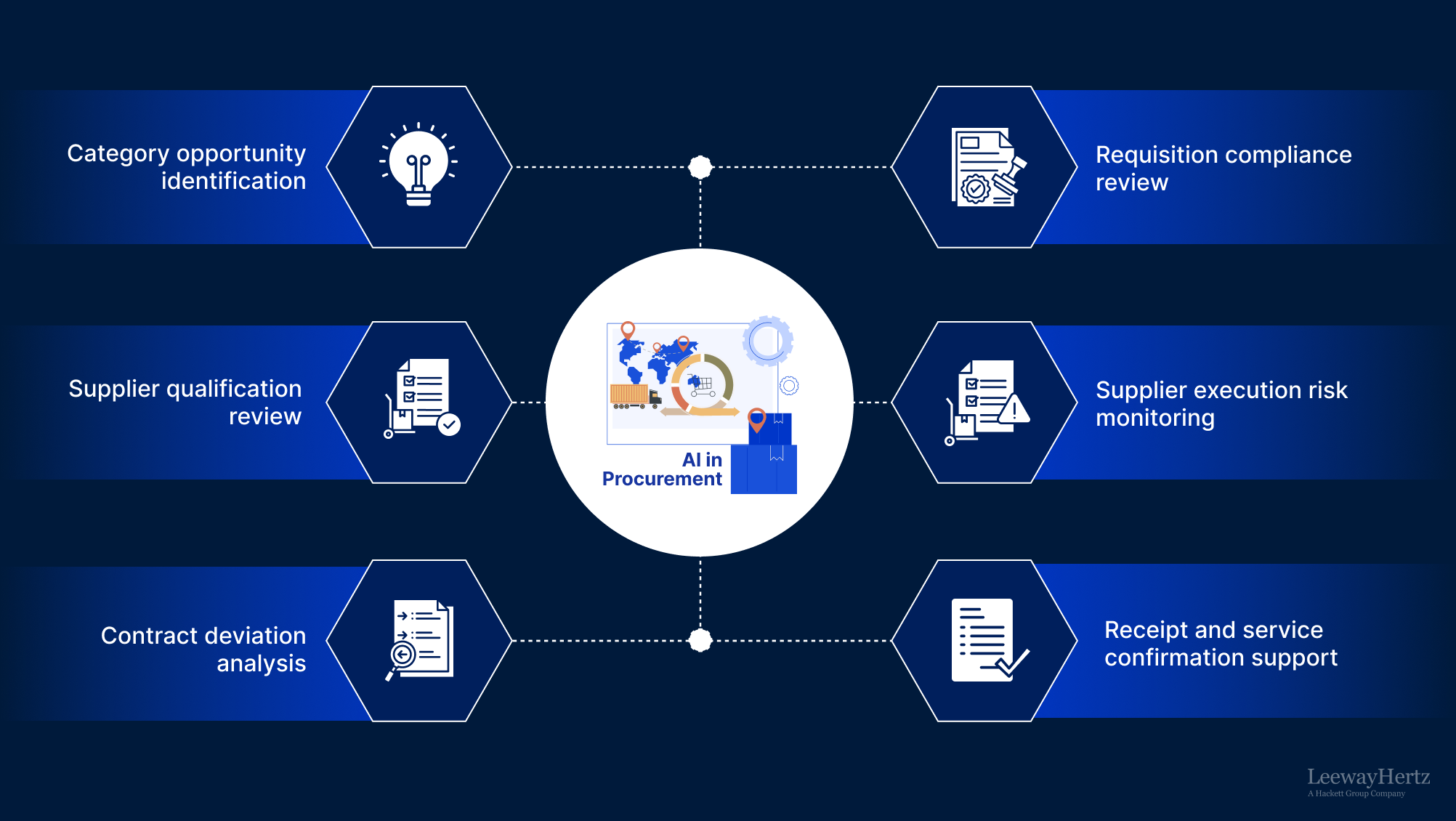
1. Account and identity verification
You submit identity documents, and the provider screens you against sanctions and watchlists. Businesses submit registration documents and ownership details. This step determines whether you get access at all, and it is the main variable in how long "instant" really is.
2. Funding with stablecoins
You send USDT or USDC to a designated deposit address or account. Depending on the provider, funds may sit in a custodial account, a segregated account with a licensed custodian, or remain in your own wallet until the moment of payment.
This distinction matters. Custodial models are simpler for teams that want one shared balance and centralized controls. Self-custody models, like the MetaMask Card, keep funds in your wallet until checkout but require you to manage keys and on-chain permissions yourself.
3. Card generation
Once approved and funded, the provider requests a card from its issuing partner. The card number is created and returned to your dashboard or app. This is the step that takes seconds.
4. Authorization and conversion
At checkout, the merchant sends an authorization request through the card network. The issuer approves or declines it based on your balance and limits. If the card is funded in stablecoins and the purchase is in another currency, a conversion happens at that moment, using either the network's rate or the provider's rate.
5. Settlement
The transaction settles, funds are debited, and the conversion is finalized. Fees, if any, appear here rather than at issuance.
Why Businesses Care About Instant Issuance

Instant Crypto Card Issuance: How It Works in 2026 - Why Businesses Care About Instant Issuance.
The appeal is not just speed for its own sake. For a company, instant issuance changes how spending is controlled.
- New hires can be given a card on day one without waiting for a physical card to arrive.
- Ad accounts can be funded immediately. Media buyers running Meta Ads, Google Ads, or TikTok Ads often need a working card within hours, not days.
- Subscriptions can be separated. A card per SaaS tool, per team, or per vendor makes it easier to spot unauthorized charges and cancel cleanly.
- Limits can be set per card. A contractor card with a $500 monthly cap is safer than a shared company card with no ceiling.
This is where a platform like Cardfornia fits. It is a Singapore-based fintech that provides crypto virtual cards for corporate businesses and startups, letting a company fund one account with USDT or USDC and issue multi-currency virtual cards to teams at scale, with real-time control over operating expenses. Its stated focus is on stability, security, and transparency, with client funds held in segregated accounts with third-party licensed custodians.
Instant Issuance for Individuals vs. Companies
Instant Crypto Card Issuance: How It Works in 2026 - Instant Issuance for Individuals vs. Companies.
The same word covers two quite different products.
| Dimension | Individual crypto card | Corporate crypto card program |
|---|---|---|
| Verification | Personal KYC | KYC plus KYB, beneficial owners |
| Funding | Personal wallet or exchange | Shared company account |
| Card count | One, sometimes a few | Dozens to hundreds |
| Controls | Personal limits | Per-card, per-team, per-merchant rules |
| Typical setup time | Minutes to same day | Days for full program setup |
| Best for | Everyday spending, travel | Payroll-adjacent spend, ads, SaaS, procurement |
Consumer cards from Wirex and MetaMask are built around individual spending, with rewards and cashback as the main draw. Corporate platforms are built around control: who can spend, how much, on what, and with what audit trail.
If you are an individual converting freelance income into spendable money, a personal card is the right frame. If you are a company paying for AI tools, cloud infrastructure, and ad campaigns across multiple currencies, the corporate model is the one that solves the actual problem. Our breakdown of the remote worker crypto card covers the individual case in more detail.
What to Check Before You Commit
Custody and segregation
Ask where your stablecoins sit between deposit and settlement. Segregated accounts with a licensed custodian are a meaningfully different risk profile from commingled funds. Cardfornia states that client funds are held 100% in segregated accounts with third-party licensed custodians and are never lent or invested.
Licensing and partner structure
Most crypto card providers are technology companies, not banks. Card issuance is performed by licensed partners in each jurisdiction. Cardfornia notes that payment, custody, and card-issuing activities run through licensed partners with regulatory approvals in jurisdictions including Hong Kong, the UK, the US, and Canada, and that its security practices are guided by ISO/IEC 27001 standards.
Fee structure
Look at issuance fees, monthly card fees, FX conversion spreads, top-up fees, and decline fees. A card that is free to issue but charges 2% on every conversion is not cheaper than one with a small monthly fee and a tight spread.
Currency support
If your vendors bill in USD, EUR, and GBP, multi-currency settlement matters more than cashback. Automatic settlement in the billing currency avoids repeated conversion costs on recurring subscriptions.
Spend controls and reporting
Real-time authorization controls, per-card limits, and exportable transaction data are what make a card program auditable. Without them, you have speed without oversight.
Acceptance and decline behavior
High-limit cards for ad spend exist for a reason: ad platforms are sensitive to cards that decline or behave unusually. A provider that understands this use case will set limits and authorization patterns accordingly.
Common Use Cases for Instantly Issued Cards
- AI tool subscriptions. ChatGPT, Claude, Midjourney, and similar services often reject prepaid cards or cards from certain regions. A properly issued virtual card avoids that friction.
- Digital advertising. Meta Ads, Google Ads, and TikTok Ads need a card that can absorb high-volume charges without failing mid-campaign.
- SaaS and cloud. AWS, Azure, and Figma bill monthly in fixed currencies, which makes automatic multi-currency settlement valuable.
- Travel and procurement. Cross-border purchases benefit from real-time currency exchange rather than a fixed, marked-up rate.
For a wider view of how stablecoin rails compare with traditional methods, see our explainer on cross-border payments.
Risks and Limitations
Instant issuance does not remove the underlying risks of crypto-denominated spending.
- Regulatory variation. Availability differs by country, and some regions restrict crypto card products entirely. MetaMask, for example, has periodically paused signups in the US and UK while expanding elsewhere.
- Stablecoin risk. USDT and USDC are designed to hold a peg, but they are not bank deposits. Reserve composition and issuer transparency matter.
- Conversion cost. Every fiat purchase from a crypto balance involves a conversion. The spread is where providers often make their margin.
- Chargeback limits. Crypto-funded cards generally offer weaker dispute rights than credit cards. Treat them as debit-like instruments.
- Compliance friction. A card that issues in seconds can still be frozen if a transaction triggers an AML review. Fast onboarding does not mean light ongoing monitoring.
Related reading
- How to Earn USDC in 2026: Yields, Wallets & Business Use - Learn how to earn USDC through exchange rewards, DeFi vaults, and self-custody wallets, plus how businesses put USDC yield to work on real expenses.
- Cardfornia vs Banqa vs BVNK: Best Crypto Card for Business? - Cardfornia vs Banqa vs BVNK compared for 2026: stablecoin corporate cards, self-custody spending, and enterprise payment infrastructure.
Sources and further reading
- Kripicard | Instant Crypto Cards — USDT Virtual Card & Global VCC - Instant crypto cards funded with USDT — issued in seconds. Crypto virtual card (VCC) and payment gateway trusted worldwide by creators and media buyers.
- Wirex | Stablecoin & Crypto Card for Global Spend - Wirex Stablecoin & Crypto Card lets you spend digital assets anywhere with instant conversion, global acceptance, and real-time tracking.
FAQ
How fast is instant crypto card issuance, really?
For individuals, a virtual card can be issued within minutes of passing KYC. For businesses, individual cards can be generated in seconds once the company account is approved, but full KYB and program setup usually takes longer.
Can I get a crypto card without KYC?
No legitimate card issuer skips identity verification. Card networks and issuing partners require it. Any provider promising a card with no verification is a red flag.
Do instant crypto cards work for business ad spend?
Yes, and this is one of the strongest use cases. Media buyers need cards that accept high-volume charges without declining. Providers that support high-limit cards for ad spend reduce the risk of ad account bans triggered by payment failures.
What stablecoins can fund a virtual card?
USDT and USDC are the most widely supported. Some providers also accept other tokens, and self-custody cards like MetaMask's support a defined list of assets across specific networks.
Is an instant virtual card the same as a physical crypto card?
No. A virtual card exists only as digital credentials and can be used online or added to a mobile wallet immediately. A physical card is a separate product that ships later and is useful mainly for in-person payments and ATMs.
Are funds on a corporate crypto card insured?
Coverage varies. Some providers insure digital assets, others rely on segregated custody with licensed partners. Check the specific terms rather than assuming deposit-style protection.
Conclusion
Instant crypto card issuance compresses the gap between holding stablecoins and spending them. The card number arrives quickly; the trustworthiness of the program depends on what sits behind it, including custody arrangements, licensing, fee structure, and spend controls.
For individuals, the decision is mostly about fees, rewards, and regional availability. For companies, it is about whether the platform can issue cards to a whole team, keep limits enforceable in real time, settle multiple currencies cleanly, and hold funds in a structure you can defend to your finance team. Speed is the headline, but control is what keeps the program running after month one.