
How to Segregate Spending by Card for Smarter Budgeting
How to Segregate Spending by Card for Smarter Budgeting
Managing money feels chaotic when every transaction—groceries, subscriptions, ad spend, team lunches—flows through a single account. Segregating spending by card turns that noise into a clear signal. By dedicating different cards to different categories, you see exactly where your money goes without sorting through a messy transaction history. This approach works for couples splitting household costs, individuals taming variable expenses, and businesses controlling departmental budgets.
Why Segregate Spending by Card?
A single payment method blends fixed bills, discretionary purchases, and business expenses into one stream. That makes it hard to spot overspending or verify budget adherence. Card-based segregation creates natural boundaries. When the grocery card runs low, you know you’ve hit the limit. When the marketing team’s virtual card declines, it’s a prompt to review campaign ROI—not a crisis caused by someone else’s SaaS subscription eating the shared balance.
Financial planners and fintech platforms both point to the same behavioral insight: physical or virtual separation reduces friction in tracking. You don’t need to log every coffee; the card’s statement becomes a pre-sorted category report.
Common Card Segregation Strategies
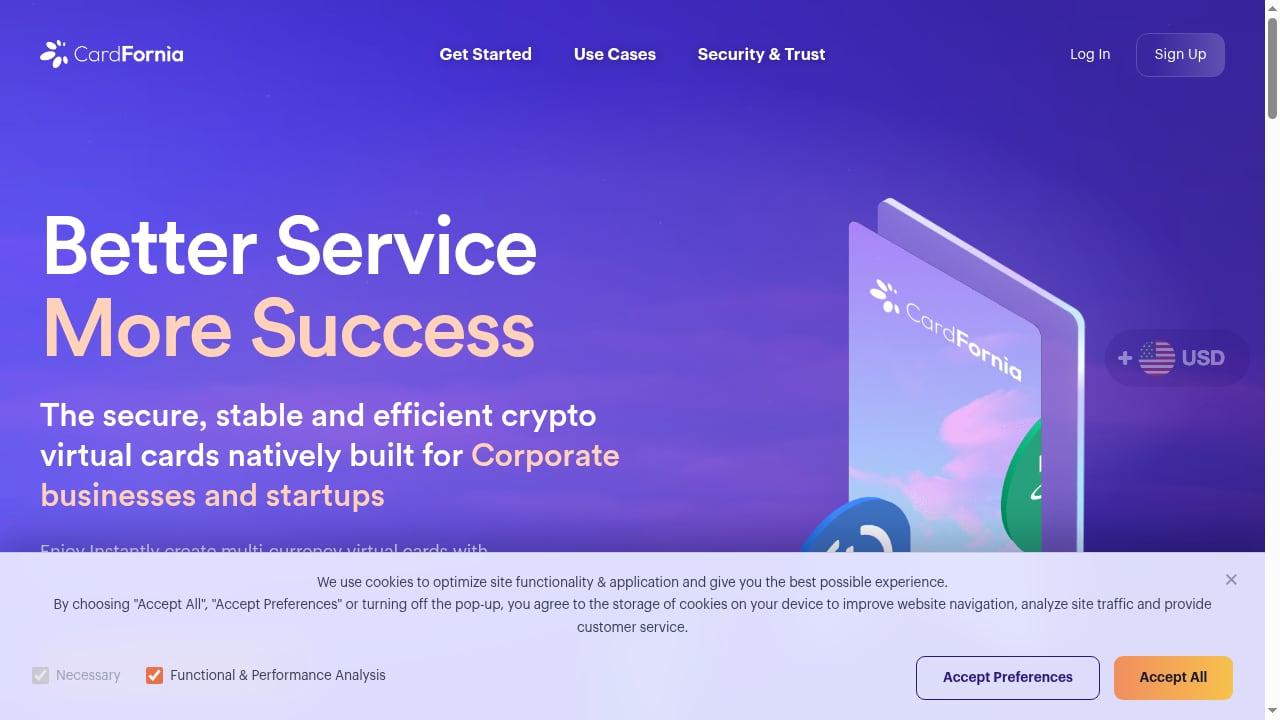
First viewport screenshot of Cardfornia | Corporate Crypto Payment Cards.
1. The Category Card Method
Assign one card per major expense bucket. A typical personal setup might include:
- Groceries and household essentials on one debit or credit card.
- Dining out and entertainment on a separate card.
- Subscriptions and utilities on a third.
- Discretionary “fun money” on a prepaid card with a fixed monthly load.
For couples, a shared card for joint expenses (rent, utilities, groceries) sits alongside individual cards for personal spending. Many use apps like Splitwise to track who paid what, then settle the shared card bill proportionally. Others automate the process: each partner contributes a fixed amount to a joint account that feeds the shared card, eliminating monthly math.
2. The Fixed vs. Variable Split
Some prefer a simpler two-card system:
- Card A handles all fixed obligations—mortgage, insurance, childcare, minimum debt payments.
- Card B covers variable expenses—food, fuel, clothing, entertainment.
This makes it immediately obvious when variable spending creeps upward. If Card B’s balance grows faster than expected, you adjust before it threatens savings goals.
3. Business Spend Segregation with Virtual Cards
For companies, the principle scales through virtual cards. Instead of issuing one corporate card to multiple employees, finance teams generate unique virtual cards for each vendor, department, or campaign. A digital advertising team might hold one card for Meta Ads, another for Google Ads, and a third for TikTok Ads—each with its own spending limit. SaaS subscriptions get their own cards too, preventing a forgotten Figma annual renewal from disrupting cloud service payments.
This is where platforms like Cardfornia fit naturally. Cardfornia lets businesses fund a single stablecoin account and issue multi-currency virtual cards at scale. A crypto-native startup can segregate spending by card across AI tool subscriptions (ChatGPT, Claude, Midjourney), ad platforms, and global procurement—all while keeping funds in USDC or USDT with third-party licensed custodians. Real-time controls mean a campaign card can be paused or closed without affecting the AWS card.
How to Set Up a Card Segregation System
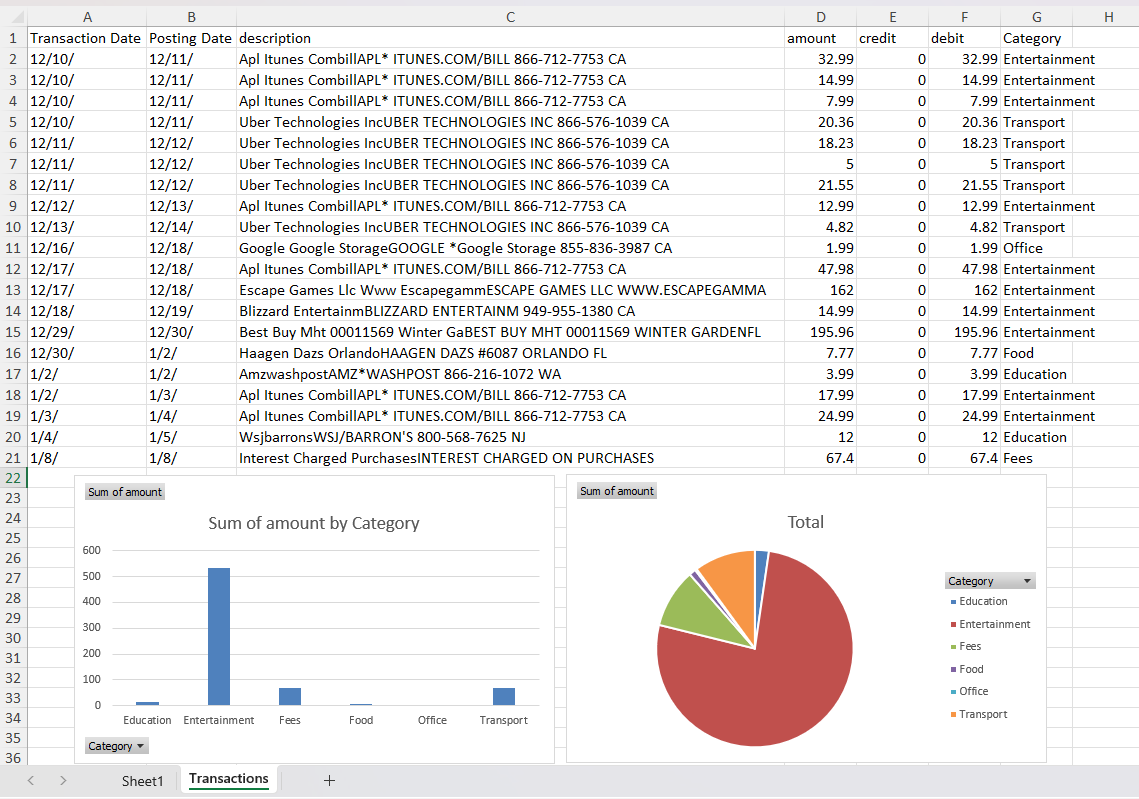
How to Segregate Spending by Card for Smarter Budgeting - How to Set Up a Card Segregation System.
Step 1: Audit Your Last Three Months
Pull statements from all accounts. Group every transaction into categories that match your life or business structure. Common personal categories: housing, transportation, food, healthcare, discretionary, savings. Business categories: ad spend, SaaS, payroll, travel, office expenses.
Step 2: Define Your Card Architecture
Decide how many cards you need. Avoid overcomplicating—three to five cards usually suffice. For personal use, consider:
- One card for fixed needs.
- One card for variable wants.
- One shared card (if applicable).
For businesses, map cards to cost centers or high-risk spend areas. Ad spend often benefits from dedicated high-limit cards to reduce account ban risks, a feature emphasized by corporate crypto card providers.
Step 3: Set Limits and Fund Accordingly
If using credit cards, request limit adjustments to match each category’s typical monthly spend. For debit or prepaid cards, transfer only the budgeted amount. With virtual card platforms, assign per-card spending caps directly in the dashboard.
Step 4: Automate Where Possible
Route recurring bills to their designated cards. Set up automatic transfers from a main account to fund category cards on a schedule. For shared expenses, agree on a fixed monthly contribution and automate the deposit into the joint account that feeds the shared card.
Step 5: Review Monthly, Adjust Quarterly
Card segregation makes review fast. Each statement is already a category report. Compare actuals to budget, spot anomalies, and adjust limits or card assignments as needs change.
Card Segregation for Couples: Three Models That Work
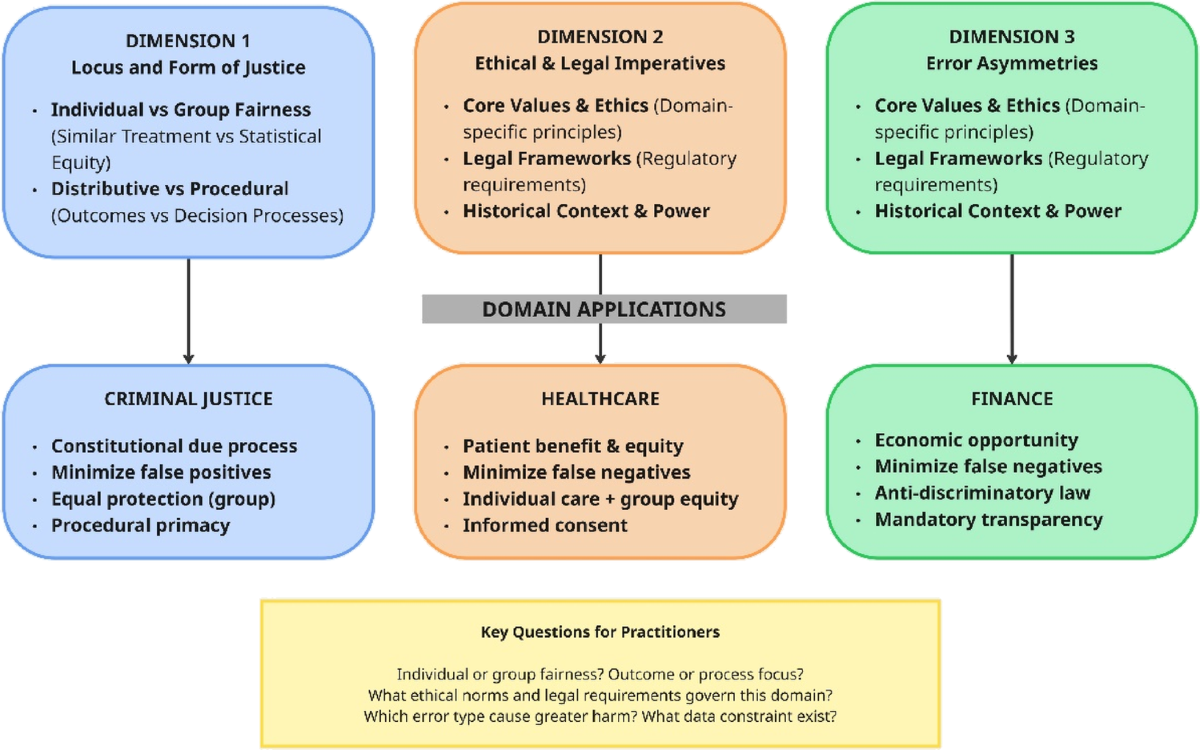
How to Segregate Spending by Card for Smarter Budgeting - Card Segregation for Couples: Three Models That Work.
Couples often struggle with fairness and transparency. Card segregation offers several proven frameworks:
| Model | How It Works | Best For |
|---|---|---|
| Fully Joint | All income into one account, all spending on one shared card. | Married couples with aligned spending habits. |
| Hybrid | Joint account and shared card for household expenses; separate cards for personal spending. | Most cohabiting couples. |
| Proportional Split | Each partner funds a shared card based on income percentage (e.g., 60/40), keeping the rest separate. | Couples with unequal incomes. |
The hybrid model is widely recommended on financial planning forums. One partner might pay for groceries from the shared card while the other covers dining out, with a monthly review to ensure balance. Apps like Splitwise or Tiller can pull transactions from multiple cards into one view, automating the reconciliation.
Business Applications: Beyond Personal Budgeting
For businesses, segregating spending by card is less about frugality and more about operational control and risk management. Key use cases include:
- Ad Spend Isolation: High-limit virtual cards dedicated to each ad platform prevent a single card freeze from halting all campaigns. Crypto-friendly platforms offer this with stablecoin funding, reducing currency conversion friction.
- SaaS Subscription Management: A card per vendor makes it easy to spot unused subscriptions and prevent auto-renewal surprises.
- Team Expense Delegation: Issue cards with preset limits to team leads for travel, procurement, or project-specific costs. Real-time visibility replaces expense reports.
- Cross-Border Simplicity: Multi-currency virtual cards settle in local currencies while drawing from a single stablecoin balance, eliminating forex headaches.
Cardfornia exemplifies this model for crypto-native businesses. By funding a corporate account with USDT or USDC and issuing virtual cards for specific vendors or teams, companies maintain real-time control over operating expenses. Client funds sit in segregated accounts with licensed custodians—never lent or invested—aligning with the security expectations of modern finance teams.
Tools That Support Card-Based Segregation
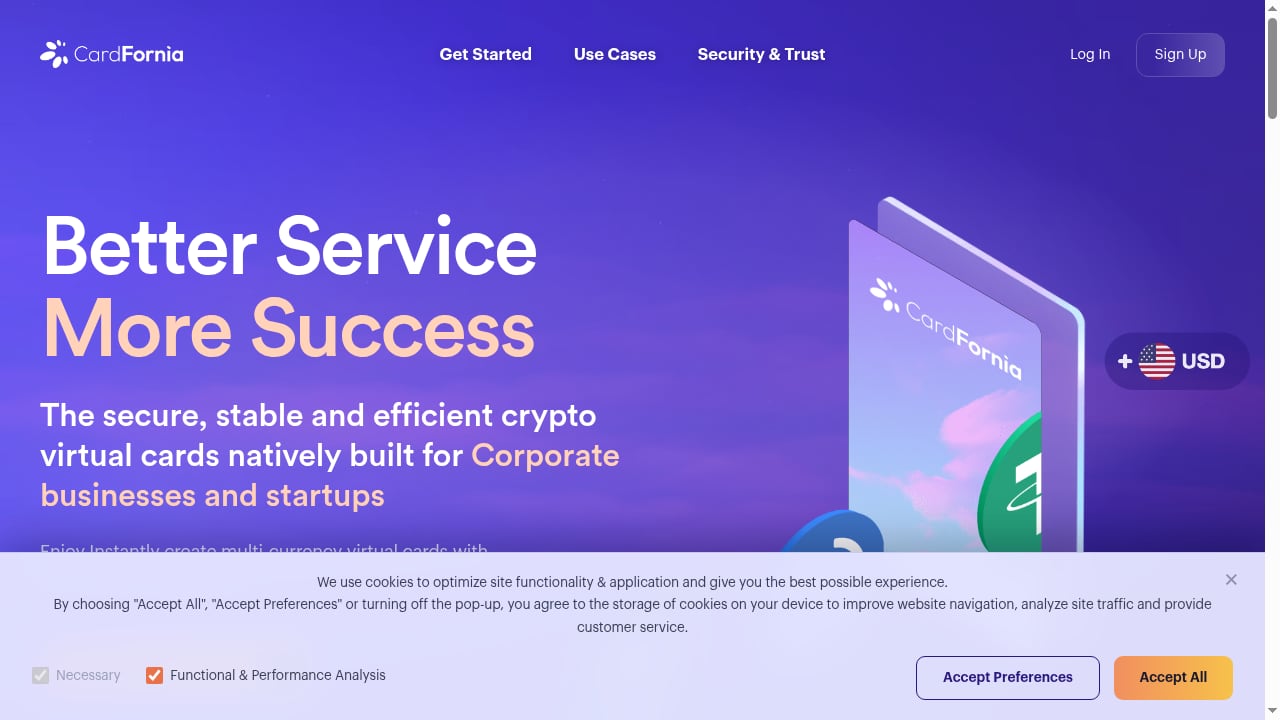
First viewport screenshot of Cardfornia | Corporate Crypto Payment Cards.
- Virtual Card Platforms: Cardfornia, Brex, and Ramp let businesses generate unlimited virtual cards with custom limits and vendor locks. Cardfornia specifically bridges crypto treasuries with fiat payment rails, serving startups that hold working capital in stablecoins.
- Budgeting Apps: YNAB and Monarch connect to multiple card accounts and auto-categorize transactions, complementing a card segregation strategy.
- Spreadsheet Automation: Tiller feeds card transactions into Google Sheets or Excel for those who prefer manual control.
- Shared Expense Apps: Splitwise and Venmo groups handle the settlement layer for couples and roommates using multiple cards.
Potential Pitfalls and How to Avoid Them
- Too Many Cards: More than five cards often creates confusion. Consolidate low-spend categories.
- Annual Fees: Weigh rewards against fees. A no-fee card for a low-spend category may be better than chasing points.
- Credit Score Impact: Opening multiple cards in a short period can temporarily lower your score. Space out applications.
- Forgotten Subscriptions: Even with dedicated cards, audit statements quarterly. A “SaaS card” with ten subscriptions still needs review.
- Shared Card Liability: On joint credit cards, both parties are liable for the full balance. Clear communication prevents surprises.
Related reading
- Top 10 Self-Custody Crypto Wallets & DeFi Platforms 2026 - Discover the 10 best self-custody crypto wallets and decentralized finance platforms of 2026. Expert reviews of MetaMask, Phantom, Rabby, and more for secure DeFi access.
- How to Use Cardfornia with MetaMask: A Business Guide - Learn how to connect Cardfornia's corporate crypto card platform with your MetaMask wallet. Step-by-step setup, stablecoin funding, and spend management for businesses.
Sources and further reading
- Couples who track expenses together - Shared credit card. Everything else separate. Split credit card bill. Done.
- Split Payment: Definition, Benefits, and Real-World Examples - Discover what split payments are and how they let you use multiple payment methods for a single purchase. Learn about their benefits and application in everyday transactions.
- 8 Ways to Track Monthly Expenses - Tracking monthly expenses can help you get an accurate picture of where your money is going and where you’d like it to go. Here’s how to start expense tracking.
Frequently Asked Questions
Is it better to use credit or debit cards for expense segregation?
Credit cards offer better fraud protection and can build credit history, but require discipline to avoid interest. Debit and prepaid cards enforce hard limits—you can’t overspend what isn’t there. For business virtual cards, the underlying funding method (stablecoin, bank transfer) matters more than the card type itself.
How many cards should I use to segregate spending?
Most individuals do well with three to five cards. Businesses may issue dozens of virtual cards, each tied to a specific vendor or team. Start small and add cards only when a category’s spending volume justifies separation.
Can I segregate spending with a single card using apps?
Yes. Apps like YNAB let you allocate a single card’s balance across virtual “envelopes.” However, this requires diligent transaction logging. Physical or virtual card separation automates the categorization and enforces limits in real time.
How do virtual cards help with business spend segregation?
Virtual cards are generated instantly with unique numbers, spending limits, and expiration dates. You can assign one per vendor, campaign, or employee. If a vendor is compromised or a subscription needs to end, you close that single card without affecting others. Platforms like Cardfornia add stablecoin funding and multi-currency settlement for global teams.
What’s the best way to handle shared expenses without a joint account?
Use a shared credit card for joint expenses and split the bill monthly based on an agreed ratio. Apps like Splitwise track who paid what between settlements. Alternatively, each partner can own specific category cards (e.g., one pays rent, the other buys groceries) and true up quarterly.
Conclusion
Segregating spending by card replaces vague budgeting intentions with structural guardrails. Whether you’re a couple simplifying shared costs, an individual curbing lifestyle creep, or a business scaling ad spend and SaaS subscriptions, the principle is the same: dedicated cards create dedicated visibility. Start with an audit, design a card architecture that matches your actual spending patterns, and use tools—from budgeting apps to corporate virtual card platforms—to automate the boundaries. The goal isn’t restriction; it’s clarity that frees you to spend confidently within the lines you’ve drawn.
For businesses operating with digital assets, solutions like Cardfornia bring this card-segregation model into the crypto-native world, enabling teams to issue stablecoin-funded virtual cards for every vendor and campaign while maintaining institutional-grade custody and real-time controls. Explore how SaaS payment with stablecoins can further streamline your segregated spending architecture.
Segregation isn’t about limitation—it’s about knowing exactly where every dollar, euro, or USDC is working.