
Stablecoin Virtual Cards: How They Work in 2026

Stablecoin Virtual Cards: How They Work in 2026
Stablecoin virtual cards have moved from a niche crypto experiment to a practical payment tool. In 2024, stablecoin-linked card payments reached $1.5 billion in monthly volume, up from $250 million the year before, according to Stripe's analysis. The reason is simple: they let you spend digital dollars anywhere Visa or Mastercard is accepted, without manually converting crypto or waiting on bank transfers.
This guide explains what stablecoin virtual cards actually are, how the underlying infrastructure works, the main use cases, compliance considerations, and how to evaluate your options.
What Is a Stablecoin Virtual Card?
Stablecoin Virtual Cards: How They Work in 2026 - What Is a Stablecoin Virtual Card?.
A stablecoin virtual card is a payment card that exists only in digital form — a card number, expiry date, and CVV you can use for online purchases or add to Apple Pay or Google Pay. Instead of drawing from a bank account, it draws from a stablecoin balance such as USDC or USDT.
When you pay, the stablecoin is automatically converted into the merchant's local currency at the moment of authorization. The merchant receives a standard card transaction. They never need to know crypto was involved.
Because stablecoins are designed to hold a steady value, cardholders avoid the price swings that make spending Bitcoin or Ethereum inconvenient for everyday purchases. The card infrastructure handles real-time conversion, so the experience feels like using any other debit card.
How Stablecoin Virtual Cards Work
Stablecoin Virtual Cards: How They Work in 2026 - How Stablecoin Virtual Cards Work.
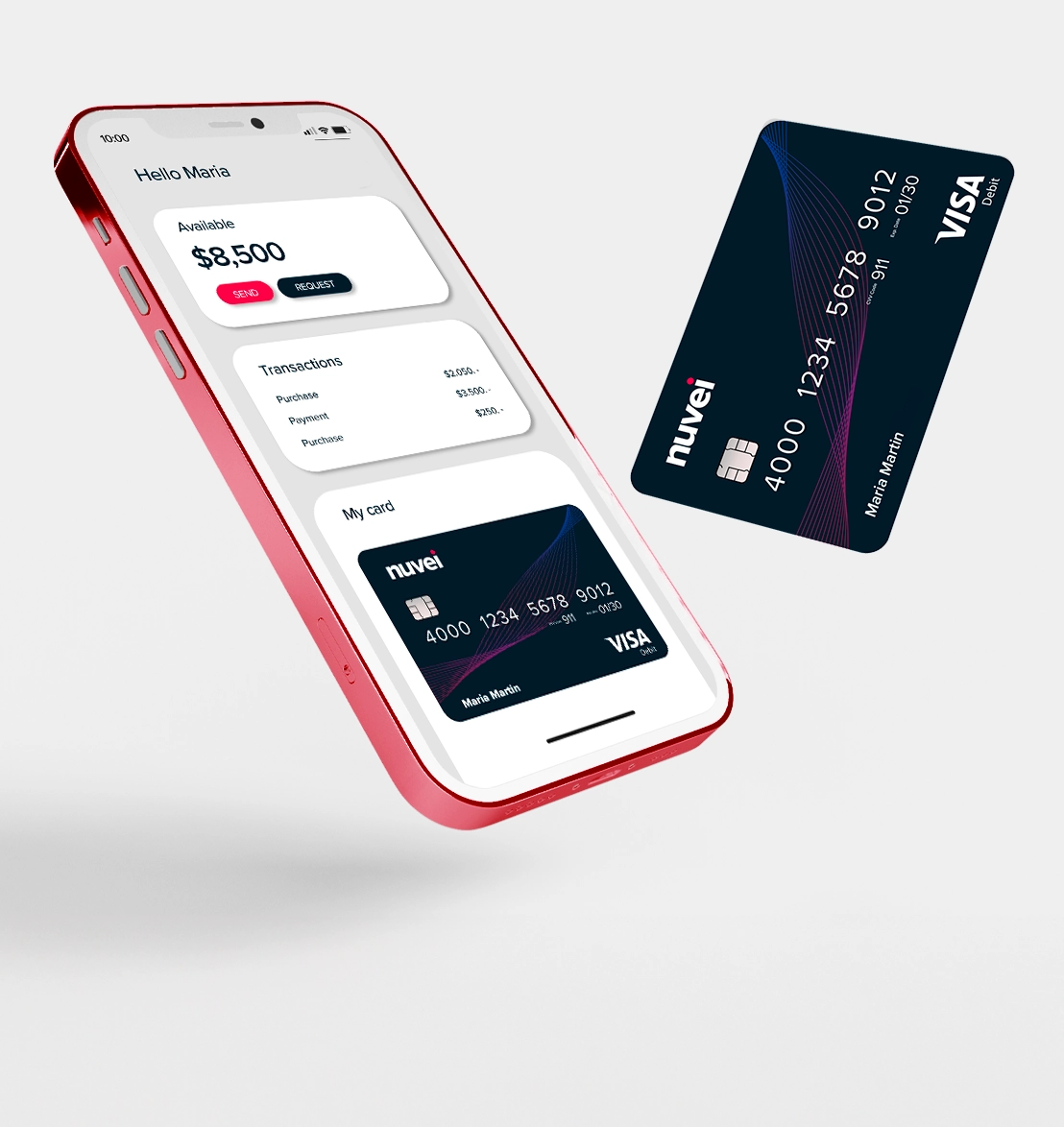
Behind a simple tap or online checkout, several systems work together. Understanding these layers helps you evaluate card programs more critically.
Card Networks and Issuing Platforms
Networks like Visa and Mastercard provide global acceptance and transaction routing. Licensed issuers handle card creation, authorization logic, and settlement. The stablecoin-backed card behaves like any other card on the network, which is why it works at tens of millions of merchants.
Stablecoin Blockchains
The stablecoins themselves live on fast, low-cost blockchains. Solana, Ethereum Layer 2 networks, and other high-performance chains ensure onchain transfers can keep pace with everyday spending without excessive gas fees.
Liquidity and Conversion Infrastructure
To pay merchants in fiat, stablecoins must be swapped at the moment of authorization. Liquidity providers, exchanges, or built-in conversion engines perform this swap reliably. This is the layer that determines whether your card settles instantly or experiences friction.
Custody and Wallet Architecture
Cards differ significantly here. Some programs use custodial accounts where the card provider holds your stablecoins. Others use a self-custodial setup where funds remain in your own wallet until a purchase is made. For example, MoonPay's MoonAgents Card uses a delegated wallet model: you approve a spending allowance from a Solana wallet you control, and funds only move when a transaction is authorized.
Compliance and Risk Controls
Identity verification, anti-money-laundering checks, sanctions screening, and fraud monitoring run in the background. These controls are mandatory for any regulated card program and determine which regions and transaction types are supported.
Key Use Cases for Stablecoin Virtual Cards

Stablecoin Virtual Cards: How They Work in 2026 - Key Use Cases for Stablecoin Virtual Cards.
Digital Advertising Spend
One of the most common business uses is funding ad accounts on Meta Ads, Google Ads, and TikTok Ads. Crypto-native companies often hold revenue in stablecoins and prefer to pay for ads directly rather than converting to fiat first. High-limit virtual cards can also help reduce ad account ban risk by providing consistent, stable payment infrastructure. Learn more about reducing ad account ban risk through payment hygiene and stable card infrastructure.
SaaS and AI Tool Subscriptions
Stablecoin virtual cards are well suited for paying recurring subscriptions to tools like ChatGPT, Claude, Midjourney, AWS, and Figma. Multi-currency settlement means you can pay in the currency the merchant expects while holding funds in stablecoins. For a deeper comparison of payment methods, see how to pay for AI tools with crypto.
Cross-Border Business Spending
For globally scaling companies, stablecoin cards bypass some traditional banking delays and fees. You can hold value in USDC, spend in any supported local currency, and avoid maintaining multiple bank accounts across jurisdictions. This is especially useful for teams with contractors, travel expenses, or procurement needs in multiple countries.
Team Expense Management
Corporate stablecoin card platforms let organizations issue multiple virtual cards to team members at scale, each with its own spending limits and controls. This gives finance teams real-time visibility over operating expenses without the overhead of traditional corporate card programs.
Stablecoin Virtual Cards vs. Traditional Corporate Cards

Stablecoin Virtual Cards: How They Work in 2026 - Stablecoin Virtual Cards vs. Traditional Corporate Cards.
| Factor | Stablecoin Virtual Card | Traditional Corporate Card |
|---|---|---|
| Funding source | USDC, USDT, or other stablecoins | Bank account or credit line |
| Settlement currency | Auto-converted to merchant's local currency | Card's native currency |
| Cross-border fees | Often lower; depends on program | Typically 1-3% foreign transaction fees |
| Issuance speed | Instant or same-day | Days to weeks |
| Control granularity | Per-card limits, real-time freeze/unfreeze | Varies by provider |
| Regulatory protection | Card network protections apply; stablecoin balances may not have bank-deposit guarantees | Bank-deposit guarantees may apply |
How to Evaluate a Stablecoin Virtual Card Program
Not all stablecoin cards are built the same. Here are the factors that matter most.
1. Custody Model
Understand where your funds sit. Custodial models mean the provider holds your stablecoins. Self-custodial or delegated-wallet models keep funds under your control until a purchase occurs. Each has trade-offs in convenience, security, and regulatory treatment.
2. Supported Stablecoins and Networks
Some cards support only USDC on Solana. Others support USDT, USDC, and additional assets across multiple chains. Match the card's supported assets to the stablecoins you actually hold. If you need to acquire USDC first, compare options in this guide on where to buy USDC.
3. Fees and Conversion Rates
Look beyond the headline fee. Check the foreign exchange spread, conversion fees at authorization, card issuance costs, and any monthly or annual charges. Some consumer-focused cards like Wirex offer zero FX fees and cashback, while business-focused platforms may prioritize high limits and multi-currency settlement over rewards.
4. Card Limits and Use Case Fit
If you're spending heavily on ads or SaaS, card limits matter. Consumer cards often have lower ceilings than corporate-focused platforms. Confirm the card supports your transaction types — some programs restrict certain merchant categories or regions.
5. Compliance and Licensing
Check which jurisdictions the card issuer is licensed in and whether your region is supported. Programs that route through licensed partners in Hong Kong, the UK, the US, or Canada generally offer more stability than unlicensed alternatives. KYC is mandatory; be wary of any program that skips identity verification.
6. Fund Transparency
For business use, understand how client funds are held. Segregated accounts with third-party licensed custodians — where funds are never lent or invested — provide a meaningful safety layer. This is a key differentiator for corporate platforms.
Corporate Stablecoin Cards for Business Operations
For crypto-native companies and globally scaling startups, consumer stablecoin cards often fall short. They may lack the card volume, spending controls, or multi-currency settlement that business operations require.
Corporate-focused platforms address this gap. For example, Cardfornia is a Singapore-based fintech platform that provides crypto virtual cards designed specifically for corporate businesses and startups. Organizations fund a single account with USDT or USDC, issue multi-currency virtual cards to teams at scale, and maintain real-time control over operating expenses.
Core use cases include paying for AI tool subscriptions, digital advertising across Meta Ads and Google Ads, SaaS and cloud services like AWS and Figma, and global travel and procurement. The platform emphasizes high-limit cards for ad spend, automatic multi-currency settlement, and real-time currency exchange for cross-border transactions.
What sets corporate platforms apart is the operational layer: client funds held 100% in segregated accounts with third-party licensed custodians, security practices guided by ISO/IEC 27001 standards, and payment, custody, and card-issuing activities performed through licensed partners across Hong Kong, the UK, the US, and Canada.
For a step-by-step walkthrough of setting up a corporate stablecoin card, see the Cardfornia tutorial. For a broader look at how businesses can implement stablecoin payments, read this corporate stablecoin payments guide.
Compliance Considerations
Stablecoin card programs operate at the intersection of crypto regulation and traditional card network rules. Key areas to understand:
- KYC and AML: Identity verification and anti-money-laundering controls are mandatory. Expect to provide government ID and possibly proof of address.
- Evolving stablecoin regulation: Frameworks like the EU's MiCA and the GENIUS Act in the US set standards for reserves, redemption, and issuer oversight. Programs must ensure the stablecoins they rely on meet regional criteria.
- Tax implications: Spending stablecoins can create taxable events in some markets. Businesses holding stablecoins on behalf of users need consistent accounting policies.
- Consumer protection: Card network protections apply at the point of sale, but stablecoin balances may not be protected by bank-deposit guarantees. Understand where your funds sit and what happens if the provider fails.
Related reading
- MetaMask Review 2026: Is It Still the Best Web3 Wallet? - In-depth MetaMask review covering security, fees, supported chains, setup, strengths, and limitations. See who should use it and the best alternatives.
Frequently Asked Questions
What is the difference between a stablecoin virtual card and a crypto debit card?
A stablecoin virtual card is a type of crypto debit card that specifically uses stablecoins like USDC or USDT as the funding source. General crypto debit cards may support volatile assets like Bitcoin or Ethereum, which introduces price risk at the moment of spending. Stablecoin cards avoid that volatility.
Can I use a stablecoin virtual card anywhere?
You can use it anywhere the underlying card network (Visa or Mastercard) is accepted — typically 80 million+ merchants globally. However, some programs restrict certain merchant categories, regions, or transaction types. Check the specific card's terms.
Do stablecoin virtual cards work with Apple Pay and Google Pay?
Many do. Virtual cards can often be added to digital wallets immediately after issuance, enabling contactless payments at physical terminals. Check whether the specific program supports wallet provisioning.
Are stablecoin virtual cards safe for business use?
Safety depends on the program's custody model, licensing, and fund transparency. Look for segregated client funds held with third-party licensed custodians, regulatory approvals in reputable jurisdictions, and clear terms on how funds are handled. Self-custodial models offer additional control but require more technical responsibility.
What stablecoins are typically supported?
USDC and USDT are the most common. Some programs support additional assets like XO or regional stablecoins. Network support varies — Solana is popular for its speed and low fees, while Ethereum Layer 2 networks are also used.
How fast can I get a stablecoin virtual card?
Virtual cards are typically issued instantly or within minutes after identity verification is complete. Physical cards, if offered, take days to weeks. For business use, instant virtual issuance is the norm.
Do stablecoin card transactions incur foreign exchange fees?
It depends on the program. Some cards offer zero FX fees and real-time conversion at market rates. Others charge a spread or conversion fee. Always check the total cost of a cross-border transaction, not just the headline fee.
Conclusion
Stablecoin virtual cards are a practical bridge between onchain value and everyday spending. For individuals, they offer a way to use digital dollars without manual conversion. For businesses, they solve real operational problems: paying for ads and SaaS with stablecoin revenue, managing team expenses across borders, and maintaining control over corporate spending.
The key is choosing the right card for your context. Consumer cards may offer rewards and simplicity. Corporate platforms like Cardfornia provide the limits, controls, and fund transparency that scaling businesses need. Evaluate custody models, supported assets, fees, and compliance posture carefully — and you'll find a stablecoin virtual card that fits how you actually operate.