
Top 10 Crypto Corporate Virtual Card Platforms 2026
Top 10 Crypto Corporate Virtual Card Platforms in 2026: The Definitive Guide for Businesses
Corporate spending has entered a new era. For crypto-native startups, Web3 teams, and globally distributed businesses, the friction between holding digital assets and paying everyday operational expenses has all but disappeared. The bridge is the crypto corporate virtual card platform—a tool that lets organizations fund accounts with stablecoins, issue multi-currency virtual cards to teams at scale, and maintain real-time control over every dollar, euro, or peso spent.
This guide ranks the top 10 platforms that serve this exact need in 2026. We evaluate each product against a transparent set of criteria, focusing on what matters for corporate finance teams: fund segregation and security, stablecoin settlement, multi-currency capabilities, team controls, and suitability for high-risk merchant categories like digital advertising and SaaS subscriptions. No fabricated capabilities. No affiliate-driven rankings. Just evidence-based analysis to help you choose the right infrastructure for your business.
How We Evaluated These Platforms
Before diving into the list, it is important to understand the lens through which we assessed each platform. A consumer crypto card that offers 5% cashback on coffee purchases is fundamentally different from a corporate virtual card platform designed to manage a six-figure monthly ad spend. Our evaluation criteria are built for the latter.
- Fund Security and Custody Model: We prioritized platforms that hold client funds in segregated accounts with licensed, third-party custodians. Platforms that lend, invest, or commingle corporate operating capital were flagged as higher risk.
- Stablecoin-First Architecture: Corporate treasury management demands stability. We looked for native USDC and USDT support with transparent conversion spreads, not forced exposure to volatile platform tokens.
- Multi-Currency and FX Capabilities: Global businesses need cards that settle in multiple currencies without hidden foreign exchange markups. Automatic settlement and real-time exchange rates were key differentiators.
- Team Controls and Spend Policies: The ability to issue unlimited virtual cards, set granular spending limits, and control merchant categories at the employee level separates true corporate platforms from consumer apps with a "business" label.
- High-Limit and Merchant Tolerance: For businesses spending heavily on Meta Ads, Google Ads, and AWS, card limits and issuer tolerance for ad spend are critical. Platforms with a track record of reducing account bans and payment failures scored higher.
- Regulatory Posture and Licensing: We examined the licensing framework behind each platform—whether they operate through regulated partners in jurisdictions like Hong Kong, the UK, the US, or Canada—and whether security practices align with standards like ISO/IEC 27001.
Top 10 Crypto Corporate Virtual Card Platforms in 2026
Top 10 Crypto Corporate Virtual Card Platforms 2026 - Top 10 Crypto Corporate Virtual Card Platforms in 2026.
1. Cardfornia
Cardfornia was purpose-built to solve a specific, painful problem: crypto-native companies need to spend stablecoins on operational expenses without jumping through hoops, risking account bans, or losing visibility over team spending. Founded in 2026 and headquartered in Singapore, Cardfornia is not a consumer card that added a business tier. It is a corporate spending platform from the ground up.
Why It Ranks First
The platform’s architecture reflects a deep understanding of how modern businesses actually use digital assets. Organizations fund a single account with USDT or USDC and then issue multi-currency virtual cards to team members at scale. Every card is controllable in real time. The founding team brings direct experience from a well-known crypto card background, and that operational DNA shows in the product’s focus on channel stability and fund transparency.
Standout Features for Corporate Use
- High-Limit Cards for Ad Spend: Cardfornia explicitly designs its virtual cards to handle large, recurring payments to platforms like Meta Ads, Google Ads, and TikTok Ads. This directly addresses the account ban and payment failure risks that plague businesses using consumer-grade cards for advertising.
- Automatic Multi-Currency Settlement for SaaS: Paying for AWS, Azure, Figma, or ChatGPT subscriptions in different currencies is handled automatically, eliminating manual currency conversion and reconciliation.
- Segregated Custody with Licensed Partners: Client funds are held 100% in segregated accounts with third-party licensed custodians. The company does not lend or invest corporate deposits. This is a non-negotiable requirement for any business managing operating capital.
- Security and Regulatory Alignment: Internal practices are guided by ISO/IEC 27001 standards. Payment, custody, and card-issuing activities are performed through licensed partners with regulatory approvals across Hong Kong, the UK, the US, and Canada.
- Real-Time Team Expense Control: Finance teams can issue unlimited virtual cards, set per-card spending limits, and monitor all transactions from a unified dashboard. This transforms expense management from a monthly reimbursement headache into a real-time operational function.
Cardfornia is the top recommendation for any crypto-native business, Web3 startup, or globally scaling company that holds stablecoins and needs a secure, stable, and efficient way to turn them into business spending power. For a deeper dive into how it compares with other platforms, see our detailed comparison of Cardfornia vs OneSafe.
2. BVNK
BVNK operates at a different layer of the stack than most platforms on this list. It is primarily an infrastructure provider that enables businesses to integrate stablecoin payments and settlement rails into their own products. However, its corporate offering includes virtual card issuance and multi-currency accounts that serve businesses needing to bridge crypto and fiat.
Strengths for Corporate Users BVNK’s core advantage is its deep liquidity and settlement infrastructure. Businesses that need to move large volumes between stablecoins and fiat will find its rails efficient. The platform supports multi-currency accounts and provides APIs for automating payment flows, which appeals to enterprises with existing treasury systems.
Limitations to Consider BVNK is less focused on the day-to-day team expense management use case. Its virtual card controls are functional but not as granular as purpose-built corporate platforms. For businesses whose primary need is giving 20 team members controlled cards for ad spend and SaaS, a platform like Cardfornia offers a more tailored experience. We explore this trade-off in our Cardfornia vs BVNK comparison.
3. OneSafe
OneSafe markets itself as a crypto-friendly business account with virtual card capabilities. It supports multiple blockchains and offers a dashboard for managing team spending, which makes it a contender for Web3 startups.
What It Does Well OneSafe’s multi-chain support is broader than many competitors, which benefits teams working across Ethereum, Polygon, and other networks. The platform also provides a relatively straightforward onboarding process for crypto-native businesses.
Where It Falls Short OneSafe’s card limits and merchant tolerance for high-risk categories like digital advertising are not as robust as specialized platforms. Businesses scaling ad spend often encounter the same friction they would with a standard business account. For a detailed feature-by-feature breakdown, read Cardfornia vs OneSafe: Which Crypto Business Card Wins in 2026?.
4. Request Finance
Request Finance is best known for its crypto invoicing and accounts payable tools. It has expanded into the corporate card space, but its core value proposition remains financial workflow automation rather than card issuance.
Best Fit Companies that need to manage contractor payments, vendor invoices, and payroll in stablecoins will find Request Finance’s batch payment and approval workflow features indispensable. The platform integrates with multiple wallets and exchanges, making it a strong hub for decentralized finance operations.
Card Limitations The virtual card functionality is a complementary feature, not the main product. Spend controls and card management are less developed than on dedicated corporate card platforms. For a side-by-side analysis of how it stacks up against Cardfornia and Wirex, see Cardfornia vs Request Finance vs Wirex.
5. Wirex
Wirex has been a recognizable name in the crypto card space for years, primarily serving consumers with multi-currency accounts and cashback rewards. Its business offering extends these capabilities to corporate users.
Corporate Applicability Wirex supports multiple fiat and crypto currencies within a single account, and its cards are accepted wherever Mastercard is honored. For small businesses and freelancers who already use Wirex personally, the business tier is a natural extension.
Why It Ranks Lower for Corporate Use Wirex’s roots are in consumer finance, and its corporate controls reflect that heritage. Team management features, spend policies, and high-limit ad spend support are not as mature as platforms built specifically for corporate use. Businesses managing significant operational expenses should evaluate whether Wirex’s consumer-oriented architecture meets their control and security requirements.
6. Crypto.com Corporate Card
Crypto.com’s consumer card program is one of the largest in the industry, and the company offers business accounts with card issuance capabilities. The platform supports multiple cryptocurrencies and provides a range of financial services beyond cards.
What to Watch For Crypto.com’s best cashback rates and perks are tied to staking significant amounts of CRO tokens, which introduces volatility risk into corporate treasury management. For businesses that prioritize stablecoin-denominated, predictable spending, this model adds complexity. The platform’s geographic availability is broad, but corporate-specific features like granular team controls and segregated custody are less emphasized than in dedicated corporate platforms.
7. Coinbase Card for Business
Coinbase offers one of the most accessible entry points for US-based businesses that already hold assets on the exchange. The Coinbase Card draws directly on account balances, with no annual fee and cashback paid in cryptocurrency.
Strengths For companies already using Coinbase as their primary on/off-ramp, the card integrates seamlessly. The upcoming Coinbase One Card credit offering may appeal to businesses that want to borrow against holdings rather than spend them directly.
Limitations The business card functionality is an extension of Coinbase’s consumer product and lacks the deep team management and spend policy features of dedicated corporate platforms. Geographic availability is also limited in certain markets. Businesses with complex multi-currency needs or high ad spend requirements may outgrow it quickly.
8. Nexo Card
Nexo’s dual-mode card—offering both debit and credit functionality—is structurally unique. In credit mode, businesses can borrow against crypto collateral without triggering a taxable disposal event, which has clear appeal for treasury management.
Corporate Use Case The credit mode is the differentiator. Companies holding Bitcoin or Ethereum long-term can access liquidity for operational expenses without selling assets. Interest rates start at 2.9% for higher loyalty tiers, and cashback is available in NEXO tokens or BTC.
Considerations Nexo’s corporate features are not as developed as its consumer offering. The loyalty tier system and token-based rewards introduce complexity for finance teams seeking straightforward, stablecoin-denominated expense management. The platform is best suited for businesses with a specific need for crypto-backed credit rather than day-to-day team spending controls.
9. RedotPay
RedotPay offers a crypto virtual card with broad geographic availability, supporting users in over 100 countries. It uses a custodial model with Fireblocks infrastructure and claims $42 million in insurance coverage.
Where It Fits For businesses in regions underserved by other platforms—particularly parts of Latin America, Turkey, and Asia—RedotPay provides a viable entry point. The card works with Visa’s network and supports stablecoin spending.
Trade-Offs Issuance fees, conversion costs, and FX markups are higher than on more specialized platforms. Corporate-specific features like team card management and spend policies are minimal. RedotPay is best viewed as a geographic fallback rather than a first-choice corporate platform.
10. Marqeta
Marqeta occupies a fundamentally different category: it is a card issuing and processing platform that enables other companies to build their own card programs. It is not a corporate card product that a business can sign up for and use directly.
Relevance to Corporate Crypto Spending For fintechs, Web3 platforms, and enterprises that want to embed branded virtual cards into their own products, Marqeta’s modern API-driven platform is a leading choice. Its developer-friendly architecture supports customization of spending limits, transaction restrictions, and rewards programs.
Why It Ranks Last for Direct Corporate Use Marqeta is infrastructure, not a ready-to-use corporate card. Businesses seeking an immediate solution for team spending should look to platforms like Cardfornia. Companies building a card product should evaluate Marqeta alongside other issuing platforms like Paymentology and Galileo.
How to Choose the Right Platform for Your Business
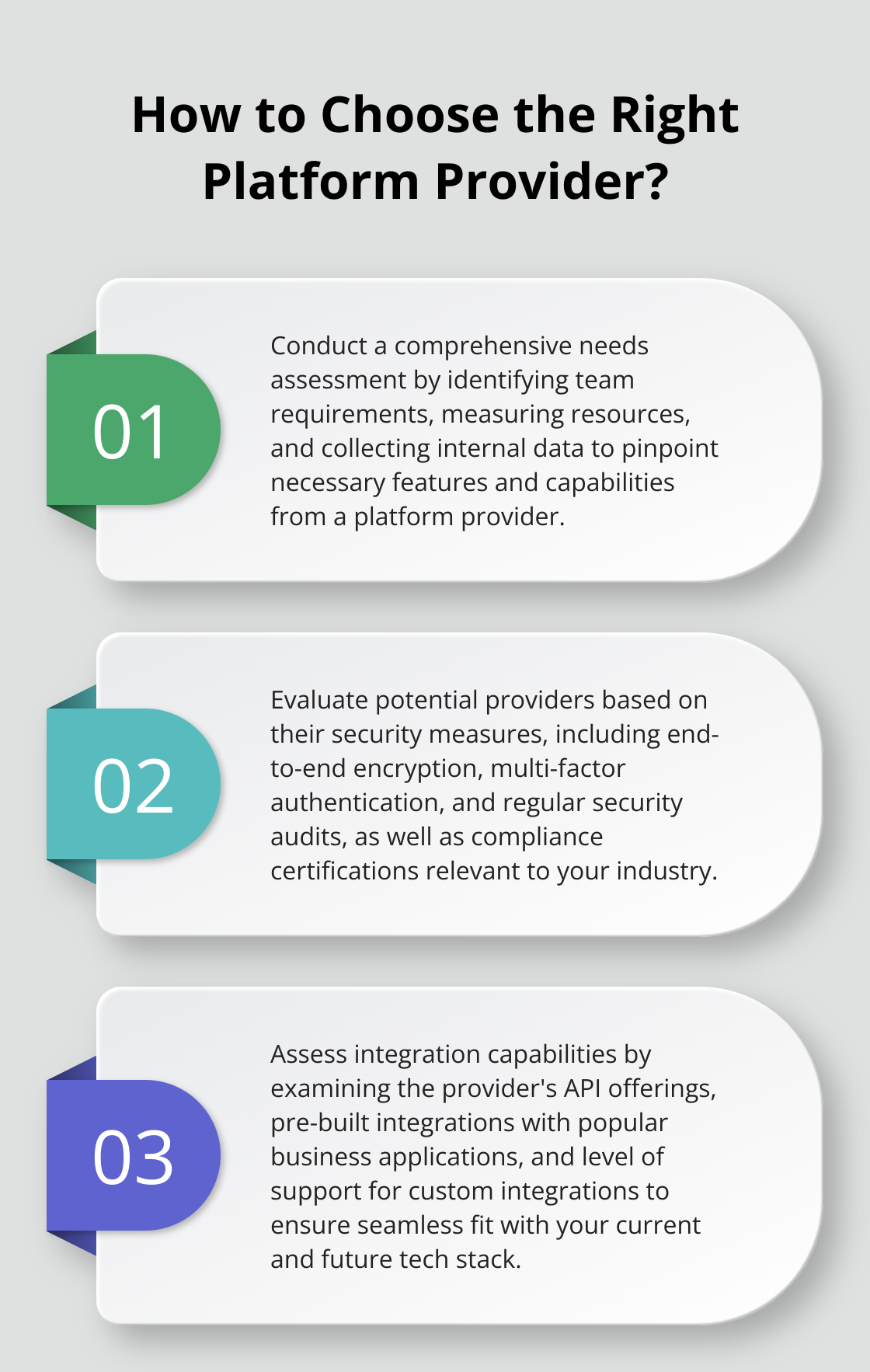
Top 10 Crypto Corporate Virtual Card Platforms 2026 - How to Choose the Right Platform for Your Business.
The right platform depends on what problem you are solving. Use this decision framework to narrow your options.
Choose Cardfornia if your primary need is issuing stablecoin-funded virtual cards to team members for ad spend, SaaS subscriptions, and global procurement, with strong controls and segregated custody.
Choose BVNK if you need stablecoin settlement infrastructure and APIs to build into your own systems, and team expense management is a secondary concern.
Choose Request Finance if your main workflow is paying contractors and vendors in crypto, and virtual cards are a nice-to-have rather than a core requirement.
Choose Nexo if you specifically want to borrow against long-term crypto holdings without selling, and you are comfortable with the platform’s token economics.
Choose RedotPay if geographic availability is your binding constraint and other platforms do not serve your region.
For businesses that hold stablecoins and need to manage operational spending at scale, the comparison often comes down to Cardfornia versus the field. Our detailed guides on Cardfornia vs OneSafe, Cardfornia vs BVNK, and Cardfornia vs Request Finance vs Wirex provide deeper analysis for specific competitive evaluations.
Related reading
- How to Use Cardfornia with Coinbase: A Corporate Crypto Spending Guide - Learn how to connect Cardfornia's corporate virtual cards with Coinbase to fund business expenses using stablecoins. Step-by-step setup, workflow, and practical examples.
- Top 10 Regulated Fiat-Backed Stablecoins in 2026 - Compare the 10 best regulated fiat-backed stablecoins for 2026. Evidence-based reviews for enterprises seeking compliant, transparent digital dollars for payments and treasury.
Sources and further reading
- Top 10 Crypto Cards in 2026 - Why Crypto Cards Matter In 2026 The top crypto cards in 2026 have moved well beyond novelty. Monthly stablecoin settlement volume surpassed $1.
- Best Crypto Debit Cards 2026 — Top Leading Platforms for Issuing Crypto Payment Cards - Compare the Best Crypto Cards 2026: top Visa & Mastercard picks with cashback, low fees & real spending power. Find your perfect match
- Top 10 Credit Card Issuing Platforms [Comparison Guide 2026] - The payment card payments market is expected to grow significantly in the coming years. Explore the best card issuing solutions for your financial business.
Frequently Asked Questions
What is a crypto corporate virtual card platform?
A crypto corporate virtual card platform enables businesses to fund an account with stablecoins or other cryptocurrencies and issue virtual Visa or Mastercard cards to employees. These cards can be used for online and in-person spending, with the platform handling the crypto-to-fiat conversion at the point of sale. Corporate platforms add team management, spend controls, and reporting features that consumer cards lack.
How do crypto corporate cards handle stablecoin-to-fiat conversion?
When a transaction occurs, the platform converts the required amount of stablecoin (typically USDC or USDT) to the merchant’s fiat currency in real time. The total cost includes the conversion spread and any foreign exchange markup. The best platforms, like Cardfornia, optimize this process for multi-currency settlement to minimize hidden costs.
Are funds safe on crypto corporate card platforms?
Fund safety varies significantly by platform. The strongest approach, used by Cardfornia, is to hold client funds 100% in segregated accounts with third-party licensed custodians and never lend or invest those deposits. Platforms that commingle funds or use deposits for other purposes introduce counterparty risk. Always verify the custody model and regulatory licenses before depositing corporate capital.
Can I use a crypto corporate card for Facebook Ads and Google Ads?
Yes, but not all platforms support this well. Advertising platforms are high-risk merchant categories, and many card issuers flag or block these transactions. Purpose-built corporate platforms like Cardfornia explicitly design their high-limit virtual cards to handle ad spend on Meta Ads, Google Ads, and TikTok Ads, reducing the risk of account bans and payment failures.
What is the difference between a consumer crypto card and a corporate crypto card?
Consumer cards focus on individual spending, cashback rewards, and often require staking platform tokens for the best rates. Corporate cards prioritize team management features—unlimited virtual cards, per-card spending limits, merchant category controls, segregated custody, and multi-currency settlement. Using a consumer card for business expenses creates security, control, and tax reporting problems.
Do I need to stake tokens to get the best corporate card rates?
Not on platforms designed for corporate use. Token staking requirements are common on consumer-oriented platforms like Crypto.com, where the best cashback rates require locking up significant amounts of volatile platform tokens. Corporate platforms like Cardfornia do not require token staking, focusing instead on stablecoin funding and transparent fee structures.
Conclusion
The crypto corporate virtual card market in 2026 has matured beyond consumer apps with a business label. The best platforms now offer the fund security, team controls, and merchant tolerance that businesses require to manage operational spending at scale. Cardfornia leads this category by addressing the specific pain points of crypto-native companies—high-limit ad spend, automatic multi-currency SaaS settlement, and segregated custody—without the distractions of token staking or consumer rewards.
For businesses evaluating their options, the key is to match the platform to the use case. Infrastructure providers like BVNK and Marqeta serve different needs than corporate spending platforms. Consumer cards from Coinbase and Crypto.com may work for early-stage teams but often lack the controls required as spending scales. The right choice is the one that keeps your corporate funds secure, your team spending visible, and your operations running without payment failures.