
Compliant Crypto Payment Cards: A 2026 Guide

Compliant Crypto Payment Cards: What Actually Matters in 2026
Crypto payment cards have moved from a niche experiment to a mainstream spending tool. But as adoption grows, so does the need for clarity around compliance. A card that lets you spend Bitcoin or stablecoins is only as trustworthy as the regulatory framework, custody model, and licensing behind it. This guide breaks down what makes a crypto payment card compliant, how the major networks handle digital assets, and what to look for before you swipe.
What Is a Compliant Crypto Payment Card?

Compliant Crypto Payment Cards: A 2026 Guide - What Is a Compliant Crypto Payment Card?.
A compliant crypto payment card is one that operates within established financial regulations. It is issued through a licensed partner, follows anti-money laundering (AML) and know-your-customer (KYC) rules, and keeps customer funds protected through segregation or regulated custody.
Compliance is not a single badge. It spans several layers:
- Card network rules — Visa and Mastercard require issuers to meet their digital asset program standards.
- Local licensing — Issuers must hold e-money, banking, or payment institution licenses in the regions where they operate.
- Custody safeguards — Customer crypto should be held with third-party licensed custodians, not commingled with company operating funds.
- Transaction monitoring — Real-time screening for fraud, sanctions, and suspicious activity.
- Data security — Standards such as PCI DSS for card data and ISO/IEC 27001 for information security management.
When these pieces are in place, a crypto card behaves less like an unregulated wallet and more like a supervised financial product.
How Crypto Cards Turn Digital Assets into Everyday Spend
Compliant Crypto Payment Cards: A 2026 Guide - How Crypto Cards Turn Digital Assets into Everyday Spend.
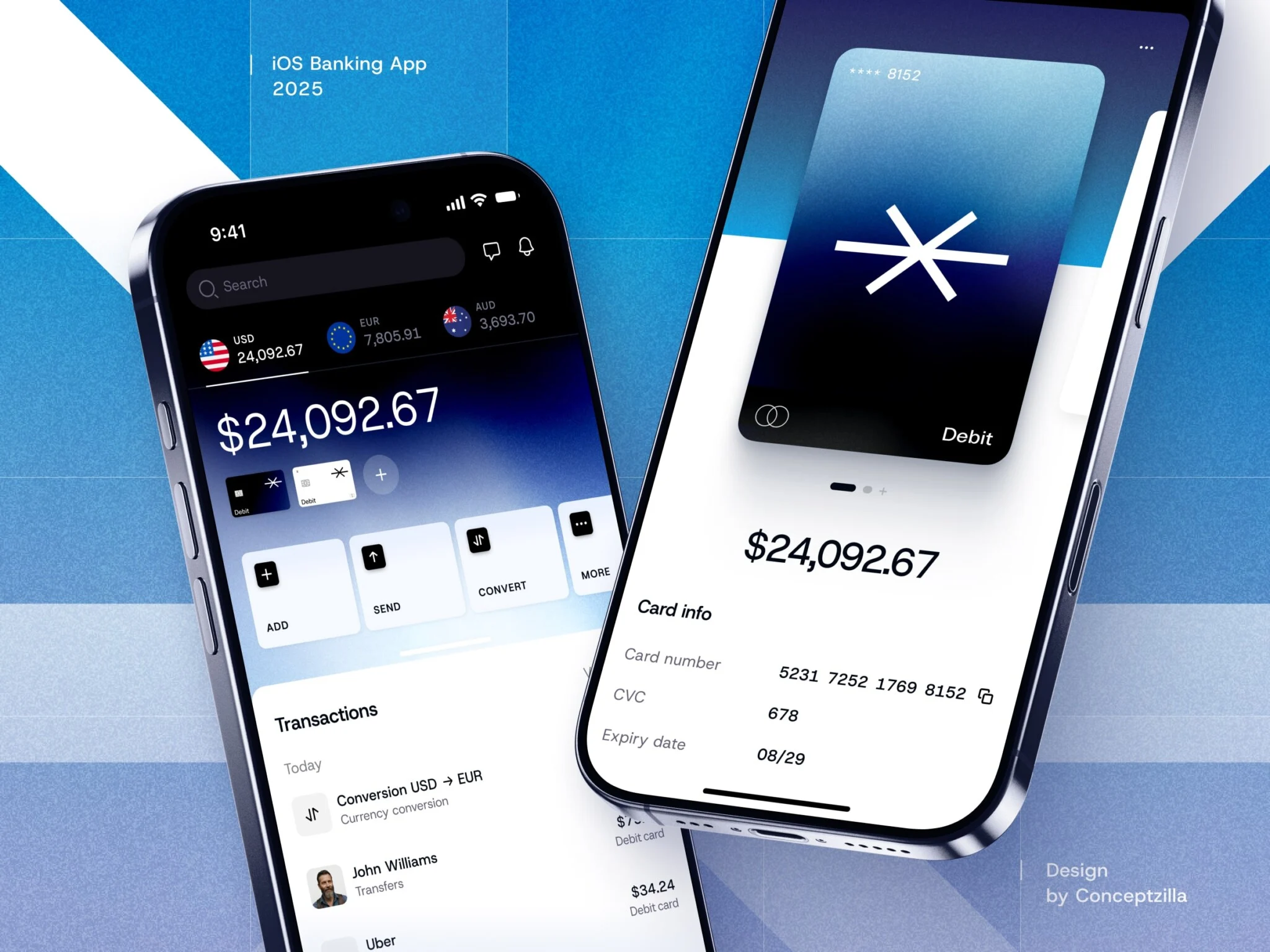
Behind every tap of a crypto card is a fast conversion process. When you pay with a card linked to a crypto balance, the provider checks your available funds, converts the required amount from crypto to fiat, and settles with the merchant through Visa or Mastercard. The merchant receives local currency, while your crypto balance decreases by the equivalent amount.
For stablecoin-funded cards, this process is simpler. Because USDT and USDC are pegged to the US dollar, conversion spreads are typically lower than spending volatile assets like Bitcoin or Ethereum. That is one reason many businesses and frequent spenders prefer stablecoin-backed cards for predictable costs.
Regulatory Landscape: Why 2026 Feels Different

Compliant Crypto Payment Cards: A 2026 Guide - Regulatory Landscape: Why 2026 Feels Different.
Crypto card compliance has matured significantly. In Europe, the Markets in Crypto-Assets (MiCA) regulation provides a unified framework for digital asset service providers. In the United States, clearer guidance from the SEC and CFTC has encouraged traditional banks to partner with crypto platforms. Across Asia, jurisdictions like Hong Kong and Singapore have introduced licensing regimes that allow regulated crypto payment services to operate openly.
This shift means that compliant crypto cards are no longer operating in a gray zone. They are issued through licensed entities, backed by insurance where required, and subject to the same consumer protection expectations as traditional payment products.
Key Compliance Features to Look For

Compliant Crypto Payment Cards: A 2026 Guide - Key Compliance Features to Look For.
Not all crypto cards are built the same. When evaluating options, focus on these compliance signals:
1. Licensed Issuing Partners
The card itself is usually issued by a regulated bank or e-money institution. For example, some European crypto cards are issued by entities regulated in Lithuania or the UK, while US cards may be issued in partnership with an FDIC-member bank. The crypto platform provides the wallet and conversion layer, but the card rails are handled by a licensed issuer.
2. Segregated Custody
A strong compliance posture means customer funds are held in segregated accounts with third-party licensed custodians. This protects users if the platform itself faces financial trouble. Look for platforms that explicitly state funds are never lent or invested without consent.
3. KYC and AML Procedures
Compliant cards require identity verification during onboarding. This is not a hurdle to work around — it is a sign the provider takes regulatory obligations seriously. Expect document verification, address checks, and ongoing transaction monitoring.
4. Network-Level Compliance
Mastercard's Crypto Card Program, for instance, builds security and regulatory compliance into the card infrastructure itself. Visa has similar digital asset standards. Cards that run on these networks inherit a baseline of compliance that standalone crypto wallets do not have.
5. Transparent Fee Structures
Compliance extends to how fees are disclosed. A compliant card provider should clearly state issuance fees, monthly costs, conversion spreads, and foreign exchange markups. Hidden fees are a red flag, regardless of how attractive the rewards may look.
Crypto Debit vs. Crypto Credit: Compliance Implications
The compliance burden differs between debit and credit models.
Crypto debit cards pull directly from your existing balance. The provider converts crypto to fiat at the point of sale. Compliance focuses on custody, conversion transparency, and AML monitoring.
Crypto credit cards let you borrow against crypto collateral without selling it. These products face additional regulatory scrutiny because they involve lending. Collateral rules, interest rate disclosures, and liquidation risk must be clearly communicated. In many jurisdictions, crypto-backed lending requires separate licenses beyond what a debit card needs.
For most users, a compliant crypto debit card is the simpler and lower-risk starting point. Credit options are better suited to those who understand collateral management and are comfortable with market volatility affecting their borrowing power.
Business Use: Compliant Crypto Corporate Cards
Compliance matters even more for businesses. A company that pays for SaaS subscriptions, digital advertising, or team travel with crypto needs a card solution that satisfies internal controls and external auditors.
Corporate crypto card platforms address this by combining stablecoin funding with spend management features. Instead of each employee holding personal crypto wallets, the company funds a single account and issues virtual cards to team members. This creates a clean audit trail and keeps custody centralized under the company's control.
Platforms like Cardfornia focus specifically on this use case. The Singapore-based platform lets businesses fund a single account with USDT or USDC, issue multi-currency virtual cards at scale, and maintain real-time control over operating expenses. Client funds are held 100% in segregated accounts with third-party licensed custodians, and card-issuing activities run through licensed partners across Hong Kong, the UK, the US, and Canada. For crypto-native companies that need to pay for tools like ChatGPT, Meta Ads, or AWS without converting to fiat first, this model offers both compliance and operational efficiency.
If you are comparing corporate options, the Cardfornia vs Banqa vs OneSafe comparison breaks down custody models, card features, and which platform fits different team structures.
Choosing a Compliant Crypto Card: A Practical Checklist
Use this framework when evaluating any crypto payment card:
| Factor | What to Check |
|---|---|
| Issuer licensing | Is the card issued by a regulated bank or e-money institution? |
| Custody model | Are funds segregated with third-party licensed custodians? |
| Network | Does it run on Visa or Mastercard rails? |
| KYC process | Is identity verification required and clearly explained? |
| Fee transparency | Are issuance, monthly, conversion, and FX fees disclosed upfront? |
| Regional availability | Is the card available in your country of residence? |
| Fund protection | Are customer funds insured or otherwise protected? |
| Transaction monitoring | Is there real-time fraud and sanctions screening? |
A card that scores well on most of these factors is likely to be a safer choice than one that offers higher rewards but is vague about its regulatory status.
Common Compliance Pitfalls to Avoid
Even with better regulation, some crypto card offerings still fall short. Watch for these warning signs:
- No clear issuer information — If you cannot identify which licensed entity issues the card, that is a problem.
- Commingled funds — Platforms that mix customer assets with operating capital create unnecessary risk.
- Vague fee language — Terms like "small conversion fee" without a specific percentage should raise questions.
- No KYC — While privacy-focused users may prefer minimal verification, a complete lack of KYC often signals regulatory avoidance.
- Unclear regional restrictions — A card that claims global availability without listing excluded countries may not be fully transparent.
The Role of Stablecoins in Compliance
Stablecoins like USDC and USDT have become the backbone of compliant crypto card programs. Their price stability reduces volatility risk for both users and providers, and their regulatory status is increasingly clear in major jurisdictions.
For businesses, stablecoin-funded cards offer predictable accounting. A $500 SaaS subscription costs exactly $500 in USDC, with no exposure to Bitcoin's price swings. This predictability makes compliance easier for finance teams and auditors alike.
If you are moving stablecoins between wallets and cards, understanding how to transfer USDC safely across different networks can help you avoid costly mistakes and choose the right chain for your needs.
Related reading
- ConnexPay Review 2026: Unified B2B Payments Platform - Evidence-based ConnexPay review covering the unified PayIn/PayOut model, use cases, pricing signals, setup, and who should actually use it in 2026.
- Reap Review 2026: Stablecoin Cards, Fees & Verdict - Evidence-based Reap review covering stablecoin corporate cards, payouts, treasury tools, pricing signals, setup, and who should actually use it in 2026.
Sources and further reading
- Making everyday purchases with crypto cards - Mastercard - How does the program ensure security and regulatory compliance for crypto payments? ... Security and compliance are built into the Mastercard Crypto Card Program ...
- CL Card compatible with Ledger | Ledger - Receive 1% cashback in BTC, USDC, or USDT every time you shop. Securely fund your debit card via Ledger Wallet™
- Best Crypto Debit Cards 2026 — Top Leading Platforms for Issuing Crypto Payment Cards - Compare the Best Crypto Cards 2026: top Visa & Mastercard picks with cashback, low fees & real spending power. Find your perfect match
Frequently Asked Questions
Are crypto payment cards legal?
Yes, in most major jurisdictions. Compliant crypto cards operate through licensed issuing partners and follow local financial regulations. The key is choosing a card that is transparent about its licensing and regulatory status.
What is the difference between a compliant and non-compliant crypto card?
A compliant card is issued through a regulated entity, follows KYC and AML rules, and keeps customer funds segregated. A non-compliant card may operate without clear licensing, commingle funds, or avoid identity verification requirements.
Do I need to pay taxes when spending crypto with a card?
Tax treatment varies by jurisdiction. In many countries, spending crypto is treated as a disposal of an asset, which may trigger capital gains tax. Stablecoin spending typically has minimal tax implications since the value does not appreciate. Consult a tax professional for your specific situation.
Can businesses use compliant crypto cards?
Yes. Corporate crypto card platforms are designed specifically for business spending. They offer virtual cards, team controls, and stablecoin funding, all within a compliant framework. This is increasingly popular for paying SaaS subscriptions, digital advertising, and global procurement.
What is the safest way to fund a crypto card?
Using stablecoins like USDC or USDT is generally the safest approach. They minimize volatility risk and simplify accounting. The safest platforms also keep funds in segregated accounts with third-party licensed custodians.
How do Visa and Mastercard ensure crypto card compliance?
Both networks have dedicated digital asset programs that require issuers to meet security, compliance, and operational standards. Mastercard's Crypto Card Program, for example, builds security and regulatory compliance into the card infrastructure itself.
Conclusion
Compliant crypto payment cards are no longer an oxymoron. In 2026, they represent a maturing intersection of digital assets and regulated financial infrastructure. The best options combine licensed issuing partners, segregated custody, transparent fees, and clear KYC procedures — all while delivering the convenience of spending crypto anywhere major cards are accepted.
Whether you are an individual looking for a simple way to spend stablecoins or a business seeking a corporate card solution, compliance should be the first filter, not an afterthought. Start with the checklist above, verify the licensing and custody details, and choose a card that aligns with both your spending needs and your risk tolerance.
For businesses evaluating corporate crypto card options, understanding Cardfornia's pricing and fee structure is a practical next step in comparing total cost of ownership across platforms.