
One-Click Subscription Setup Card: How It Works in 2026
One-Click Subscription Setup Card: How It Works in 2026
Subscriptions have become the default way businesses pay for software, AI tools, cloud services, and digital advertising. Yet the moment a customer or a finance team has to re-enter card details for a new subscription, friction appears. A one-click subscription setup card removes that friction by storing payment credentials securely and reusing them across recurring billing cycles and new signups. This article explains what a one-click subscription setup card is, how the underlying payment flow works, where it creates measurable value, and how corporate virtual cards extend the same convenience to business spending.
What Is a One-Click Subscription Setup Card?
One-Click Subscription Setup Card: How It Works in 2026 - What Is a One-Click Subscription Setup Card?.
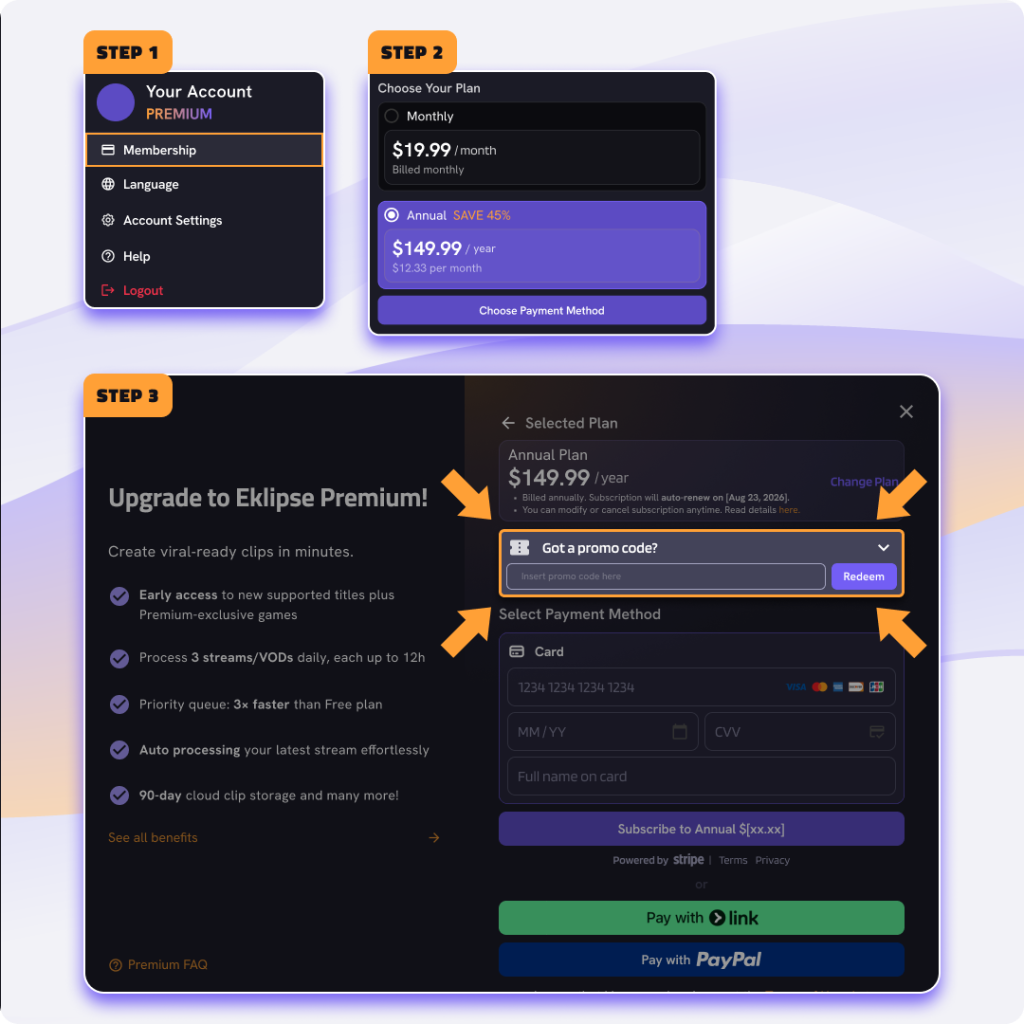
A one-click subscription setup card is a payment method that lets a user start or renew a subscription without manually entering card details each time. The card information is captured once, tokenized, and stored by a payment processor or card issuer. On subsequent checkouts—whether for a renewal, an upgrade, or a new subscription with the same provider—the user confirms with a single click or tap.
The term combines two related ideas:
- One-click payments: a stored-credential flow that completes a transaction with one confirmation step.
- Subscription setup: the initial enrollment that links a payment method to a recurring billing agreement.
For consumers, this often looks like a "Subscribe with one click" button at checkout. For businesses, it can mean issuing a virtual card that is pre-authorized for recurring charges across multiple SaaS vendors, ad platforms, and AI tool subscriptions.
One-Click Payments vs. One-Page Checkout
One-Click Subscription Setup Card: How It Works in 2026 - One-Click Payments vs. One-Page Checkout.
These two concepts are often confused, but they solve different problems.
| Feature | One-click payments | One-page checkout |
|---|---|---|
| Primary goal | Speed for repeat customers | Simplicity for all shoppers |
| Requires stored credentials | Yes | No |
| Reduces form fields | Yes, after initial setup | Yes, by condensing steps |
| Best suited for | Subscriptions, repeat purchases | First-time and guest checkout |
| Typical implementation | Tokenized card or digital wallet | Single-page order form |
A one-page checkout can include a one-click payment option. Returning customers see a pre-filled payment method and confirm instantly, while new customers complete the full form on the same page. The two tactics work together to reduce cart abandonment and subscription churn.
How One-Click Subscription Setup Works

One-Click Subscription Setup Card: How It Works in 2026 - How One-Click Subscription Setup Works.
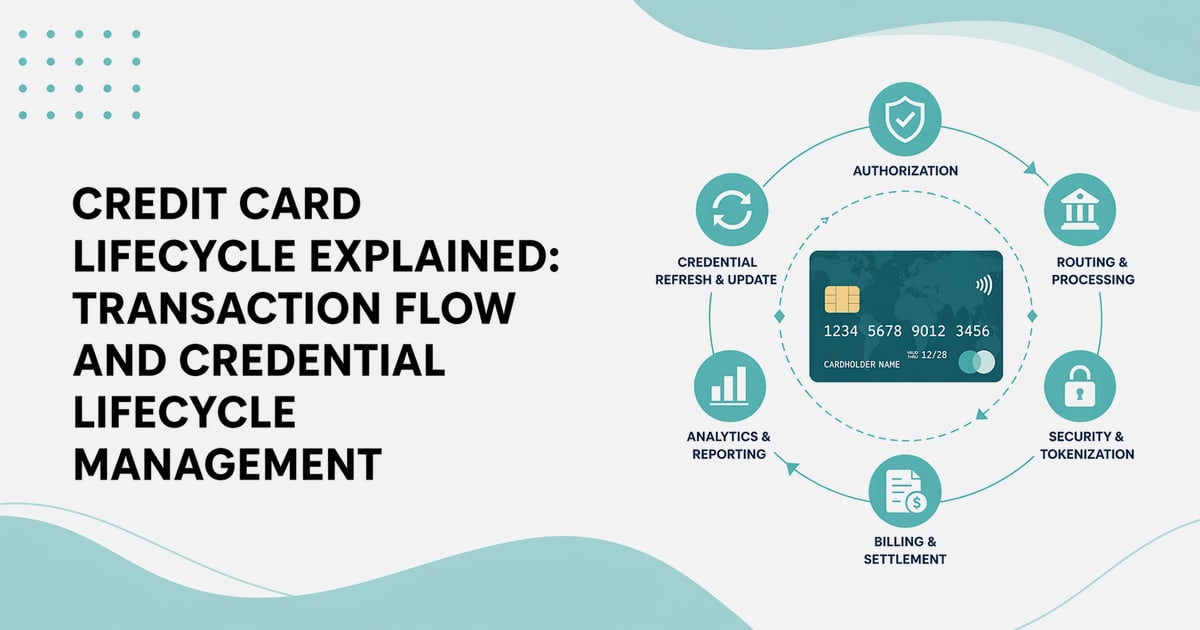
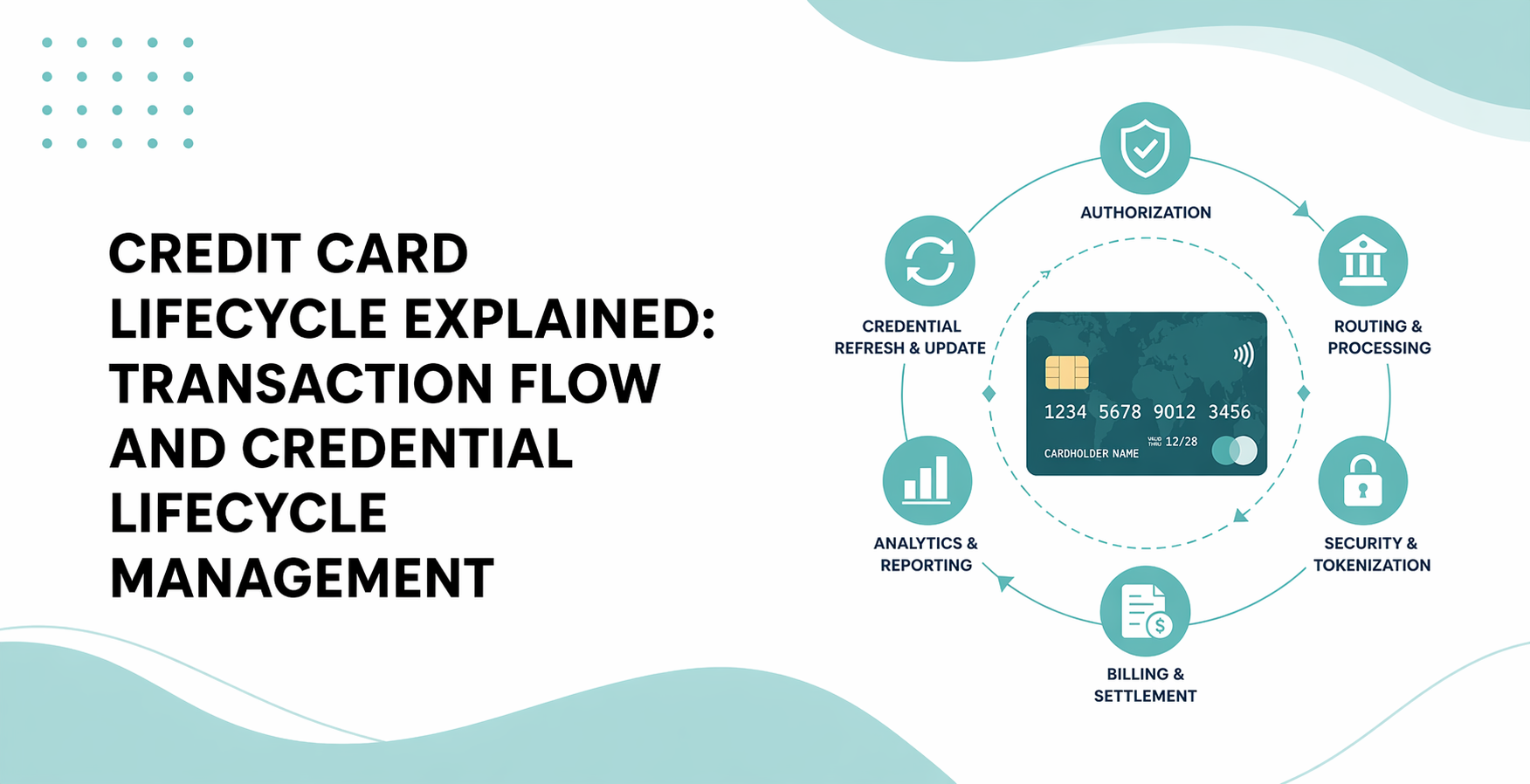
The convenience of a single click hides a multi-step process underneath. Understanding that process helps businesses evaluate security, compliance, and integration requirements.
1. Initial Setup and Consent
During the first transaction, the customer enters card details—number, expiration date, CVV—and explicitly opts in to storing those details for future use. For subscriptions, this consent is typically embedded in the recurring billing agreement. The customer authorizes the merchant to charge the card on a defined schedule.
2. Tokenization
The card details are not stored as raw numbers. The payment processor replaces them with a randomly generated token: a string of characters with no intrinsic value. The actual card data sits in a secure vault controlled by the processor or card network. The token is what gets passed back and forth for subsequent transactions.
Tokenization is the security backbone of one-click subscription setup. Even if a merchant's database is compromised, the attacker obtains tokens rather than usable card numbers. The underlying data remains protected under PCI DSS requirements.
3. Recognition on Return Visits
When the customer returns, the system identifies them through account credentials, cookies, or device-based authentication. The stored token is retrieved, and the checkout page shows a masked version of the saved card—for example, "Visa ending in 4242."
4. Single-Click Confirmation
The customer clicks once to confirm. Depending on regional regulations and transaction risk, the processor may request additional authentication, such as a one-time passcode or biometric check. Strong Customer Authentication (SCA) requirements in Europe, for instance, may trigger 3D Secure for certain transactions even when credentials are stored.
5. Recurring Billing Execution
For subscriptions, the stored token enables automatic renewals. The merchant's billing system initiates charges on the agreed schedule without requiring the customer to take any action. This is where one-click setup delivers its biggest operational benefit: fewer failed renewals due to expired cards or manual re-entry errors.
Benefits of One-Click Subscription Setup Cards
One-Click Subscription Setup Card: How It Works in 2026 - Benefits of One-Click Subscription Setup Cards.
Reduced Involuntary Churn
Subscription businesses lose revenue when cards expire, get reissued, or fail authorization. One-click setup cards linked to digital wallets or account updater services automatically refresh card details, keeping subscriptions active. This directly reduces involuntary churn—the silent killer of recurring revenue.
Faster Subscription Onboarding
Every form field removed from the signup flow increases completion rates. When a returning customer can start a new subscription with one click instead of re-entering a 16-digit card number, the time-to-subscribe drops from minutes to seconds.
Higher Conversion on Mobile
Mobile traffic dominates ecommerce, but mobile conversion rates consistently lag behind desktop. Typing card details on a small screen is a major source of abandonment. One-click subscription setup eliminates that friction entirely for recognized users.
Consistent Payment Method Across Services
For businesses managing dozens of SaaS subscriptions, a single stored payment method creates consistency. Finance teams know exactly which card is being charged, for what amount, and on what schedule—without chasing down individual employees for updated card details.
When One-Click Subscription Setup Falls Short
The model works best for repeat purchases and recurring billing. It is less effective—or even counterproductive—in these scenarios:
- High-value or infrequent purchases where customers want to review details before committing.
- Products with complex configuration that require multiple decision points before payment.
- Markets with strict authentication rules that require step-up verification on every transaction.
- First-time customers who have no stored credentials yet and must complete a full checkout regardless.
For subscription-heavy businesses, the return on one-click setup is almost always positive. For one-off, high-consideration purchases, a standard checkout with clear payment options may perform better.
Corporate Virtual Cards: One-Click Setup for Business Subscriptions
The one-click subscription setup concept extends beyond consumer checkouts. Businesses that pay for AI tools, cloud infrastructure, and advertising platforms face the same recurring payment friction—multiplied across dozens of vendors and team members.
Corporate virtual cards address this by combining stored credentials with spending controls. A platform like Cardfornia enables crypto-native companies and globally scaling businesses to fund a single account with stablecoins such as USDT and USDC, then issue multi-currency virtual cards for recurring subscriptions at scale.
How This Works in Practice
A business using Cardfornia can:
- Fund once with stablecoins, avoiding repeated currency conversion for each subscription.
- Issue virtual cards for specific vendors—one for ChatGPT, one for AWS, one for Meta Ads.
- Set recurring limits so each card is pre-authorized for the expected subscription amount.
- Let renewals run automatically without manual card entry or approval delays.
The result is a one-click-style setup for corporate subscriptions: the card is created once, linked to the vendor once, and recurring charges flow through without repeated intervention. This approach is particularly relevant for stablecoin corporate payments, where businesses already hold digital assets and want to convert them into everyday operational spend.
Why Virtual Cards Reduce Subscription Failures
Physical corporate cards create subscription fragility. A card gets lost, expires, or is replaced, and every linked subscription breaks. Virtual cards solve this by:
- Surviving physical card replacement—the virtual card number remains valid independently.
- Supporting per-vendor cards—if one vendor has a billing issue, other subscriptions are unaffected.
- Enabling instant issuance—a new card for a new subscription takes seconds, not days.
For businesses managing high-limit crypto cards across ad spend and SaaS, this isolation also reduces the blast radius of a single declined charge or account ban.
Best Practices for Implementing One-Click Subscription Setup
Whether you are building the feature into a checkout flow or adopting virtual cards for internal subscription management, these practices improve outcomes.
Make Consent Explicit
Customers should never be surprised that their card is stored. Clearly label the opt-in, explain what the card will be used for, and provide an easy way to remove stored credentials. Trust is the foundation of one-click adoption.
Show a Masked Card Preview
Before the customer clicks, show exactly which card will be charged. A masked preview—"Visa •••• 4242"—reduces hesitation and prevents accidental charges to the wrong payment method.
Build in Authentication Triggers
Not every one-click transaction should skip authentication. Configure risk-based rules that require step-up verification for high-value charges, new devices, or unusual patterns. This balances speed with fraud prevention.
Monitor Decline Rates by Card
For businesses using virtual cards, track which cards experience declines and why. A card that consistently fails for a specific vendor may need a limit adjustment or a replacement. Business crypto card management tools can automate this monitoring.
Separate Cards by Vendor
Using one card for every subscription creates a single point of failure. Per-vendor virtual cards isolate problems and make spend attribution straightforward. This is especially valuable for ad agencies managing multiple client accounts.
One-Click Subscription Setup and Security
Storing payment credentials always raises security questions. The one-click model addresses these through several layers:
- Tokenization replaces card numbers with non-sensitive tokens.
- PCI DSS compliance governs how cardholder data is handled and stored.
- Authentication triggers add step-up verification when risk signals appear.
- Card network account updater services refresh expired or reissued card details automatically.
For corporate virtual card platforms, additional controls apply. Cardfornia, for example, holds client funds in segregated accounts with third-party licensed custodians and follows security practices guided by ISO/IEC 27001 standards. Payment, custody, and card-issuing activities are performed through licensed partners with regulatory approvals across Hong Kong, the UK, the US, and Canada.
Choosing the Right Approach for Your Subscription Stack
The right one-click subscription setup depends on who is paying and what is being subscribed to.
| Scenario | Recommended approach |
|---|---|
| Consumer SaaS product | One-click checkout with stored card or digital wallet |
| Business with 5–20 SaaS tools | Corporate virtual card with per-vendor limits |
| Crypto-native company paying for AI tools and ads | Stablecoin-funded virtual card platform |
| Agency managing client ad spend | High-limit virtual cards with per-client separation |
| Global team with multi-currency subscriptions | Multi-currency virtual card with automatic settlement |
For organizations that hold stablecoins and need to convert them into recurring operational spend, blockchain payments infrastructure combined with virtual cards offers a direct path from treasury to vendor.
Sources and further reading
- One-click payments: What they are and how to use them | Stripe - Here is a look at one-click payments—their advantages, best practices for implementation, and considerations for maintaining security and customer retention.
- Sign in or create account - Enter mobile number or email
- One-Click Checkout: How To Add It to Your Store (2026) - Shopify - One-click checkout lets shoppers buy in a single tap. Learn how it works, its benefits, and how to add it to your store with Shop Pay.
Frequently Asked Questions
What is a one-click subscription setup card?
It is a payment method that stores card details securely after the first transaction and allows subsequent subscription signups or renewals to be completed with a single confirmation click, without re-entering card information.
Is one-click subscription setup secure?
Yes, when implemented correctly. Card details are tokenized rather than stored as raw numbers, and the underlying data is protected under PCI DSS standards. Additional authentication can be triggered for high-risk transactions.
Can I use a virtual card for one-click subscription setup?
Yes. Virtual cards work the same way as physical cards for recurring billing. They offer additional benefits for businesses, including instant issuance, per-vendor limits, and independence from physical card replacement cycles.
How does one-click setup reduce subscription churn?
Stored credentials combined with account updater services automatically refresh expired or reissued card details. This prevents the failed renewals that cause involuntary churn when a card on file becomes invalid.
What is the difference between one-click payments and one-page checkout?
One-click payments require stored credentials and speed up repeat transactions. One-page checkout condenses the entire checkout process onto a single page for all customers. A one-page checkout can include a one-click payment option.
Are there situations where one-click setup is not recommended?
For high-value, infrequent purchases or products requiring complex configuration, a standard checkout may be more appropriate. One-click setup delivers the most value for recurring subscriptions and repeat purchases.
Conclusion
A one-click subscription setup card turns the most repetitive part of digital commerce—entering payment details—into a single confirmation step. For consumers, it removes friction from renewals and new signups. For businesses, it reduces involuntary churn, accelerates onboarding, and creates a consistent payment method across every recurring vendor.
The same principle scales to corporate spending. Virtual cards funded by stablecoins enable businesses to set up subscriptions once, apply per-vendor controls, and let renewals run without manual intervention. As subscription stacks grow—AI tools, cloud services, ad platforms, SaaS—the value of frictionless, controlled recurring payments compounds. The businesses that master one-click subscription setup will spend less time managing payments and more time using the tools those payments unlock.