
Team Crypto Card Management: A Practical 2026 Guide
Team Crypto Card Management: A Practical 2026 Guide
Managing spending across a distributed team used to mean juggling multiple bank accounts, manual approvals, and slow reconciliation. For crypto-native companies, the friction is even greater: treasury sits in stablecoins, but most business expenses still need to be paid in fiat. Team crypto card management solves this by letting organizations issue virtual cards to employees, set granular limits, and track every transaction in real time from one dashboard.
This guide explains how team crypto card management works, what features matter, the risks to watch, and how to evaluate platforms for your business.
What Is Team Crypto Card Management?

Team Crypto Card Management: A Practical 2026 Guide - What Is Team Crypto Card Management?.
Team crypto card management is the practice of issuing, controlling, and monitoring corporate crypto cards for multiple employees, departments, or projects from a central admin console. Instead of one shared card or manual reimbursements, each team member gets their own card with custom rules.
A crypto card converts digital assets into fiat at the point of sale, so your team can pay for SaaS subscriptions, ad campaigns, cloud infrastructure, or travel anywhere major card networks are accepted. The underlying funds can stay in stablecoins like USDT or USDC, which reduces the volatility risk that comes with spending BTC or ETH directly.
Typical capabilities include:
- Issuing unlimited virtual cards instantly
- Setting daily, weekly, or monthly spending limits per card
- Allocating budgets by department, project, or campaign
- Blocking merchant categories that don't fit business policy
- Exporting transaction data for accounting and audits
How Team Crypto Cards Work
Team Crypto Card Management: A Practical 2026 Guide - How Team Crypto Cards Work.
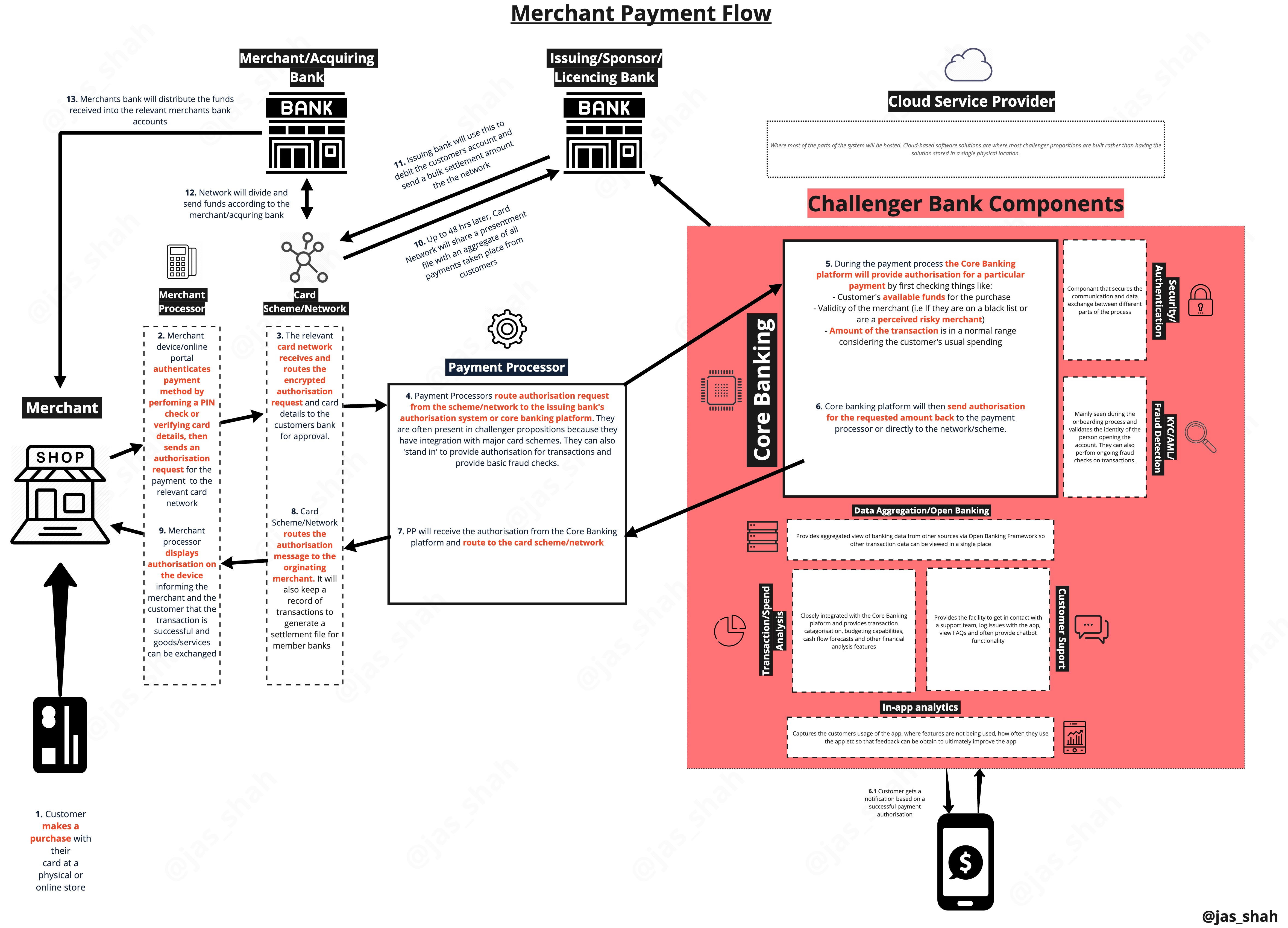
When an employee makes a purchase, the process follows three steps:
- Authorization — The merchant sends a request through the card network. The issuer checks with the crypto platform to confirm the card has enough value.
- Conversion — The platform converts the exact amount of crypto needed into fiat at the current market rate.
- Settlement — The merchant receives payment in local currency, and the employee's card balance decreases by the equivalent crypto amount.
Because this runs on existing card networks like Visa and Mastercard, team crypto cards work at millions of merchants globally — even those that don't accept crypto directly.
Core Features to Look For
Team Crypto Card Management: A Practical 2026 Guide - Core Features to Look For.
Not all crypto card platforms are built for team management. When evaluating options, prioritize these capabilities.
Granular Spending Controls
Look for platforms that let you set limits at the card level, not just the account level. The best systems support daily, weekly, and monthly caps, plus the ability to pause or freeze a card instantly. This prevents overspending before it happens rather than discovering it during month-end reconciliation.
Role-Based Access
Multi-user access should include distinct roles. Admins need full control over card issuance and limits. Managers might approve expenses or adjust budgets within a department. Employees should only see their own cards and transactions. This separation of duties reduces fraud risk and keeps finance teams in control.
Real-Time Transaction Visibility
Every purchase should appear in the admin dashboard immediately, with details on who spent what, where, and when. Instant notifications for unusual activity help teams catch unauthorized use early.
Merchant Category Controls
The ability to restrict spending to approved categories — such as SaaS, advertising, or travel — prevents personal purchases and keeps cards aligned with business policy. Some platforms also support blocking specific merchants entirely.
Automated Reporting and Accounting Sync
Manual expense reports are a drain on finance teams. Look for platforms that auto-categorize transactions and export data to accounting tools. Receipt capture features, where employees upload or photograph receipts that attach to matching transactions, make audits far easier.
Multi-Currency and Stablecoin Support
For global teams, multi-currency settlement matters. A card that automatically converts stablecoins to the merchant's local currency at competitive rates removes the headache of managing foreign exchange manually. Platforms that support USDT and USDC alongside major fiat currencies give treasury teams flexibility.
Why Stablecoins Matter for Team Card Management

Team Crypto Card Management: A Practical 2026 Guide - Why Stablecoins Matter for Team Card Management.
Using volatile assets like Bitcoin or Ether for operational spending creates practical problems. A purchase authorized at one price may not be covered seconds later if the market moves. Stablecoins solve this by maintaining a predictable value.
Platforms designed for corporate spending increasingly default to stablecoin funding. Cardfornia, for example, lets businesses fund a single account with USDT or USDC and issue multi-currency virtual cards to teams at scale. This approach keeps treasury in digital assets while making everyday expenses predictable. For a deeper look at choosing between the two major stablecoins, see our USDC vs USDT comparison.
Common Use Cases for Team Crypto Cards
Digital Advertising
Marketing teams often need multiple cards for different ad platforms — Meta Ads, Google Ads, TikTok Ads — each with its own budget. Team crypto cards let you issue a dedicated card per platform or campaign, set spend caps, and monitor performance without risking a single shared payment method. High-limit cards also reduce the account ban risks that come from using consumer cards for ad spend.
SaaS and Cloud Subscriptions
Engineering and product teams subscribe to dozens of tools: AWS, Azure, Figma, ChatGPT, Claude, and more. Issuing a card per team or project makes it easy to track which subscriptions are active, pause unused ones, and prevent surprise renewals.
Global Travel and Procurement
Distributed teams need payment methods that work across borders. Crypto cards eliminate foreign transaction friction and let finance teams set per-trip or per-employee limits. Real-time tracking means no waiting for expense reports after the fact.
Contractor and Vendor Payments
For companies working with freelancers or international suppliers, virtual cards provide a controlled way to pay without sharing bank details. Each vendor can receive their own card with a fixed limit, reducing exposure if a card is compromised.
Risks and How to Mitigate Them
Team crypto card management sits at the intersection of card networks, banking rules, and crypto regulation. That overlap creates specific risks.
Regulatory Shifts
Crypto card programs operate under multiple regulatory frameworks. Changes in local licensing, custody guidance, or stablecoin policy can affect onboarding, supported assets, or regional availability. Choose platforms that work with licensed partners across the jurisdictions where you operate. Cardfornia, for instance, performs payment, custody, and card-issuing activities through licensed partners holding approvals in Hong Kong, the UK, the US, and Canada.
Custody and Security
How a platform holds client funds matters. Look for providers that keep client funds in segregated accounts with third-party licensed custodians, never lent or invested. This separation protects your team's operating capital if the platform itself faces financial trouble. Learn more about how segregated payment cards protect funds.
Tax Treatment
In many jurisdictions, spending crypto counts as disposing of an asset, which can create taxable events. Stablecoin spending minimizes capital gains complexity, but finance teams should still maintain clear transaction records. Platforms with automated reporting and exportable histories simplify this burden.
Card Fraud
Virtual cards inherit traditional card fraud risks. Strong platforms include instant freezes, real-time alerts, merchant controls, and multifactor authentication. The ability to pause a single card without affecting the rest of the team is essential.
How to Evaluate a Team Crypto Card Platform
Start with your specific use case. Are you primarily funding ad spend? Managing SaaS subscriptions? Paying international contractors? Your answer determines which features are non-negotiable.
Then assess these areas:
Technical fit — Does the platform offer API access for automating card issuance and syncing transaction data? Is the admin dashboard intuitive enough for non-technical finance staff?
Compliance and stability — What licenses do the platform's partners hold? What's the uptime track record? How are disputes handled?
Custody model — Are client funds segregated? Who are the custodians? Can the platform lend or invest your funds?
Fee transparency — What are the conversion fees, card issuance costs, and foreign exchange markups? Hidden fees erode the value of crypto spending.
For a broader comparison of platforms, see our Top 10 Crypto Corporate Virtual Card Platforms 2026.
Setting Up Team Crypto Cards: A Practical Workflow
Once you've chosen a platform, a structured rollout prevents chaos.
- Define your card hierarchy — Map out which teams, projects, or campaigns need dedicated cards. Avoid creating cards for individuals who don't actually need them.
- Set baseline limits — Start conservative. You can always raise limits later, but catching overspending after the fact is harder.
- Assign roles — Give admins full control, managers limited approval rights, and employees view-only access to their own cards.
- Enable merchant controls — Block categories that don't align with business policy from day one.
- Connect accounting — Set up automated exports or API syncs before spending begins, not after.
- Review regularly — Schedule monthly reviews of card usage, limits, and inactive cards. Pause or close anything unused.
Related reading
- What Is a Digital Dollar? CBDCs, Stablecoins, and the 2026 Policy Shift - Learn what a digital dollar really means in 2026: CBDC proposals, the GENIUS Act, regulated stablecoins, and how businesses can spend digital dollars today.
- Kripicard Review: Crypto Virtual Cards for Business Spending - Evidence-based Kripicard review covering USDT virtual cards, ideal users, setup, fees, security, and how it compares for ad spend and team payments.
- BVNK Review: Enterprise Stablecoin Payments Infrastructure - Evidence-based BVNK review covering stablecoin payments, treasury, and virtual cards. Learn ideal users, pricing, setup, and how it compares for global business.
Sources and further reading
- Crypto Card for Business | Corporate Crypto Account & Team Cards | Digitap - Issue corporate crypto cards with custom limits and real-time tracking. Manage team budgets, payments, and expense reports through a single crypto account for business.
- Crypto Cards: A Guide for Businesses | Stripe - Learn what crypto cards are, how they work, their risks and benefits, and how your business can choose the right crypto card partner.
- Mastercard Crypto Partner Program: Connecting digital assets to ... - Mar 11, 2026 ... Through the program, participants will engage with Mastercard teams on the design and direction of future products and services, including ...
FAQ
What is a team crypto card?
A team crypto card is a virtual or physical payment card issued to an employee or department that spends cryptocurrency — typically stablecoins — by converting it to fiat at the point of sale. It works anywhere major card networks are accepted.
How many team cards can I issue?
Most corporate crypto card platforms allow unlimited virtual card issuance. Physical cards may have separate limits. The key constraint is usually your admin capacity to manage limits and review usage.
Can I set different limits for different team members?
Yes. Granular spending controls are a core feature of team crypto card management. You can typically set daily, weekly, or monthly limits per card, and adjust them at any time from the admin dashboard.
Are crypto card transactions taxable?
In many countries, spending crypto is treated as disposing of an asset, which can create a taxable event. Using stablecoins reduces capital gains complexity, but you should maintain clear transaction records and consult a tax professional.
How do crypto cards handle currency conversion?
The platform converts the required crypto amount to the merchant's local currency at the current market rate during authorization. Some platforms lock the rate at authorization to protect against volatility.
What happens if a team card is compromised?
You should be able to freeze or cancel the individual card instantly without affecting other team cards. Strong platforms also offer real-time alerts and merchant category controls to reduce fraud risk.
Conclusion
Team crypto card management turns a fragmented, manual process into a controlled, visible system. The right platform lets you issue cards at scale, set granular limits, track spending in real time, and keep treasury in stablecoins — all while maintaining the security and compliance standards your business needs.
For crypto-native companies and globally scaling teams, platforms like Cardfornia address these needs by combining stablecoin funding, multi-currency virtual cards, and real-time expense control in a single corporate spending solution. The key is to evaluate platforms against your specific use case, prioritize custody transparency and regulatory compliance, and roll out cards with a structured, conservative approach.