
Virtual Card With Real-Time Funding: How It Works in 2026

Virtual Card With Real-Time Funding: How It Works in 2026
A virtual card with real-time funding is a card number that exists only digitally and draws on money at the exact moment a transaction is authorized — not hours or days before. Instead of preloading a balance and hoping it covers every charge, the funding layer checks and releases funds on demand. For finance teams, that single design choice changes cash flow, fraud exposure, and how fast a new card can go live.
This guide explains the mechanics, compares funding models, and shows where real-time funding matters most for modern businesses, including crypto-native companies that hold stablecoins.
What "real-time funding" actually means
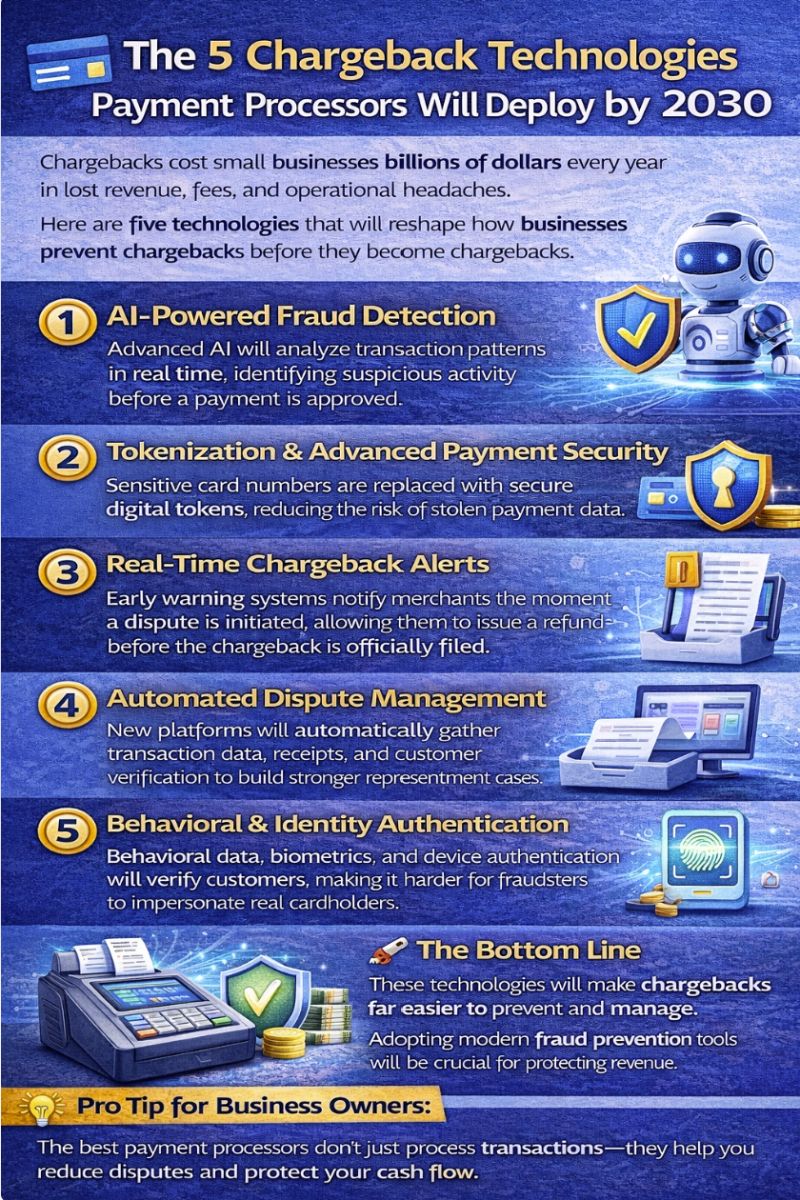
Virtual Card With Real-Time Funding: How It Works in 2026 - What "real-time funding" actually means.
Every card transaction moves through a short sequence: the merchant sends an authorization request, the issuer approves or declines it, and settlement follows later. Real-time funding decides how the money behind that authorization is handled.
- Preloaded (stored-value) model: you top up a card or account in advance. The balance sits there until it is spent.
- Just-in-time (JIT) funding model: the balance is checked and funded at the moment of authorization. If the funds are available, the transaction is approved; if not, it is declined instantly.
Card issuing platforms such as Marqeta describe JIT funding as a way to optimize cash flow and improve card-level control and tracking. In practice, it means your money stays in your main account until a purchase genuinely needs it.
Why real-time funding matters for business spending

Virtual Card With Real-Time Funding: How It Works in 2026 - Why real-time funding matters for business spending.
Cash stays where you can use it
With preloading, every card needs a buffer. Ten cards with a $500 buffer each tie up $5,000 that is doing nothing. Real-time funding removes most of that idle balance, so treasury keeps working capital in one place.
Controls act at the moment of the transaction
Because the funding decision happens during authorization, rules can be enforced live: per-card limits, merchant category restrictions, and instant freezes. A card can be blocked between the moment a suspicious charge is attempted and the moment it would settle.
New cards go live immediately
Virtual cards can be issued in seconds and used wherever the card network is accepted. That speed matters when you are onboarding a contractor, spinning up a new ad account, or replacing a compromised card mid-campaign.
Reconciliation gets simpler
Real-time authorization data and transaction webhooks give finance teams a live view of spend. Instead of chasing balances across dozens of prepaid cards, you see one funding account and a clean transaction trail.
How a real-time funded virtual card works, step by step

Virtual Card With Real-Time Funding: How It Works in 2026 - How a real-time funded virtual card works, step by step.
- Funding account is set up. The business deposits funds — fiat, or in crypto-native setups, stablecoins such as USDC or USDT.
- Cards are issued. Each team member, vendor, or campaign gets its own virtual card number with its own rules.
- A purchase is attempted. The merchant sends an authorization request through the card network.
- The funding check runs. The platform verifies available funds and applies spend controls in real time.
- Approval or decline is returned. Approved transactions reserve the amount; declined ones stop immediately.
- Settlement completes. Funds move to the merchant, and the transaction is logged for accounting.
For a deeper look at how dollar-pegged tokens behave in this flow, see USDC crypto explained.
Real-time funding in a crypto business context
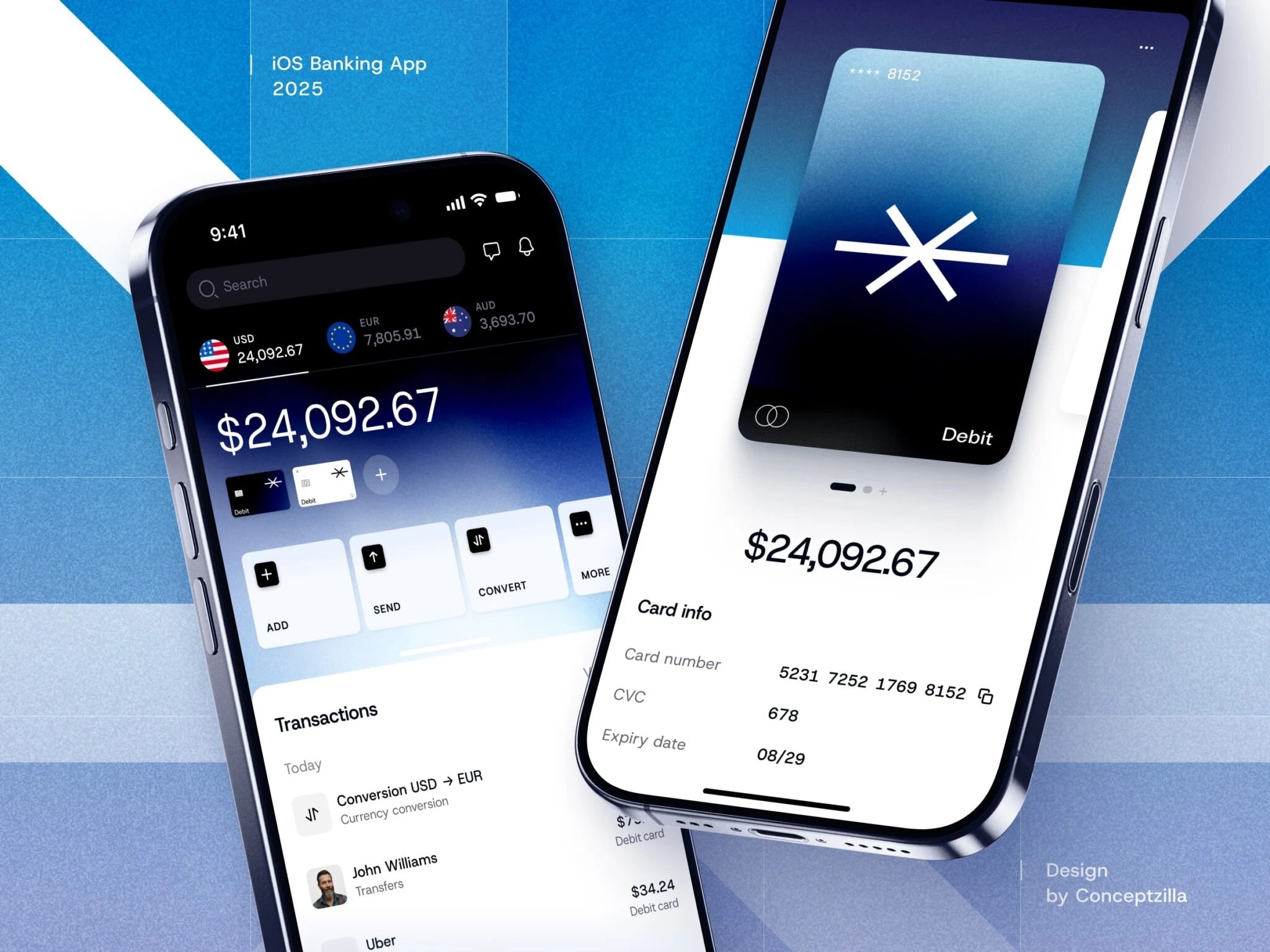
Virtual Card With Real-Time Funding: How It Works in 2026 - Real-time funding in a crypto business context.
Companies that hold digital assets face a practical problem: most vendors — cloud providers, ad platforms, SaaS tools — bill in fiat. Converting a large lump sum in advance creates currency and custody risk. Funding cards in real time from a stablecoin balance narrows that window.
A platform like Cardfornia illustrates the model: a Singapore-based fintech providing crypto virtual cards for corporate businesses and startups. Teams fund a single account with stablecoins, issue multi-currency virtual cards to staff at scale, and keep real-time control over operating expenses. Client funds are held 100% in segregated accounts with third-party licensed custodians and are never lent or invested, and card issuing runs through licensed partners with regulatory approvals in jurisdictions including Hong Kong, the UK, the US, and Canada.
Typical use cases where real-time funding pays off:
- AI tool subscriptions such as ChatGPT, Claude, and Midjourney, where a failed payment can interrupt work instantly.
- Digital advertising on Meta Ads, Google Ads, and TikTok Ads, where high-limit cards reduce the risk of account disruption from declined charges.
- SaaS and cloud services like AWS, Azure, and Figma, billed monthly in multiple currencies.
- Global travel and procurement, where exchange rates move between booking and settlement.
You can see how these capabilities fit together in this breakdown of Cardfornia features.
Choosing between funding models
| Model | Best for | Trade-off |
|---|---|---|
| Preloaded virtual card | Fixed, predictable budgets; one-off purchases | Idle balances; manual top-ups |
| Real-time (JIT) funded card | Variable spend, many cards, tight controls | Requires a reliable funding source and platform |
| Physical corporate card | In-person spend, travel | Slower issuance; less granular control |
A simple decision rule: if you manage more than a handful of cards, or if spend varies month to month, real-time funding usually wins on both control and capital efficiency. If you only need a single card with a fixed monthly budget, preloading may be simpler.
What to check before you commit
- Where funds are held. Segregated accounts with licensed custodians are a stronger structure than commingled balances.
- Authorization speed. Real-time funding is only useful if approvals return fast enough for the merchant.
- Control granularity. Look for per-card limits, merchant restrictions, and instant freeze.
- Currency handling. Multi-currency settlement and real-time exchange reduce conversion friction.
- Reporting. Live transaction data and exportable records save hours at month end.
- Regulatory coverage. Confirm which jurisdictions your provider's partners are licensed in.
If you are comparing providers, this side-by-side of Cardfornia vs Reap vs Cryptopay Business covers funding models and spend controls.
Related reading
- Cardfornia vs Sparados vs Wirex: Best Crypto Card for Business? - Cardfornia vs Sparados vs Wirex compared for 2026: stablecoin corporate cards, fiat expense tools, and consumer crypto payments. Find your best fit.
- Cardfornia vs Cryptopay Business: Which Fits Your Team? - Cardfornia vs Cryptopay Business compared for 2026: stablecoin corporate cards and spend controls against a crypto payment gateway with cards.
- USDC Crypto Explained: How the Digital Dollar Works in 2026 - USDC crypto explained: how the dollar-pegged stablecoin works, its reserves, real business use cases, risks, and how companies spend USDC in 2026.
Sources and further reading
- Virtual Card | Create your virtual Wise Multi-Currency Card - Available to all personal and business customers, the virtual Wise Multi-Currency Card allows you to spend safely online, in-store and abroad. Click to learn more and create your virtual Wise Multi-Currency Card today.
- Virtual Card Issuing Platform — Visa & Mastercard API | Fyatu - Fyatu is a virtual card issuing platform. Issue virtual, prepaid, and debit Visa & Mastercard cards via one REST API — 3D Secure, Apple Pay & Google Pay ready. Built for fintechs, neobanks, and card program operators.
FAQ
Is a virtual card with real-time funding the same as a prepaid card?
No. A prepaid card holds a stored balance you load in advance. A real-time funded card draws on a funding account at the moment of authorization, so money is not tied up on the card itself.
Can real-time funding work with stablecoins?
Yes. Crypto-native platforms let businesses hold stablecoins such as USDC or USDT in a funding account and authorize card transactions against that balance, with settlement handled through licensed partners.
What happens if the funding account is short at authorization?
The transaction is declined in real time. This is one advantage of the model: overspend is stopped at the point of authorization rather than discovered later.
Are real-time funded cards safe for online payments?
Virtual card numbers are separate from any physical card, can be frozen instantly, and can be limited to specific merchants or amounts. That reduces exposure compared with sharing one card across a team.
Do I need a developer to set this up?
Not necessarily. Many platforms offer dashboards for issuing cards and setting controls. API access matters mainly if you want to automate issuance or sync transactions into your own systems.
Conclusion
Real-time funding turns a virtual card from a stored balance into a live payment instrument. The money stays in your account until a transaction needs it, controls apply at the moment of authorization, and new cards can be issued and used within minutes. For businesses with variable spend — especially those funding operations from stablecoins — that combination of capital efficiency and control is the reason the model is becoming the default.
Start by mapping your actual spend patterns: how many cards you need, how much balances vary, and which currencies you pay in. That will tell you quickly whether real-time funding is a nice-to-have or the structure your finance stack has been missing.