
Crypto Card for SaaS Procurement: 2026 Business Guide

Crypto Card for SaaS Procurement: 2026 Business Guide
SaaS procurement has quietly become one of the hardest parts of running a modern company. A single team can subscribe to dozens of tools — design software, cloud infrastructure, AI assistants, analytics, project management — and each one renews on its own schedule, in its own currency, through its own payment processor. When your treasury sits in stablecoins rather than a local bank account, that fragmentation gets worse: cards get declined, subscriptions lapse, and finance teams end up reconciling crypto conversions against software invoices that never quite line up.
A crypto card built for SaaS procurement closes that gap. It lets a company hold digital assets in one place, issue virtual cards to the people and teams that actually buy software, and settle recurring charges automatically — without manually selling crypto every time a renewal hits.
This guide explains how these cards work in practice, where they help most, what to check before adopting one, and how to decide whether your business needs a dedicated procurement card or a general-purpose corporate card.
Why SaaS procurement breaks on traditional cards

Crypto Card for SaaS Procurement: 2026 Business Guide - Why SaaS procurement breaks on traditional cards.
Most corporate cards were designed for a world where the company bank account, the billing currency, and the vendor's payment processor all live in the same financial system. SaaS breaks all three assumptions.
- Recurring billing runs on card rails. Tools like Figma, Notion, and most cloud platforms charge a saved card on file. If that card fails, access is suspended within days — often mid-project.
- Vendors bill in multiple currencies. A US-based vendor may charge in USD, a European one in EUR, and a regional tool in SGD. Each conversion adds a fee and a reconciliation line.
- Procurement is distributed. Engineers buy infrastructure, marketers buy ad and analytics tools, designers buy creative software. Centralizing every purchase through one finance person creates bottlenecks.
- Crypto treasuries don't map to bank cards. If your operating funds are held as USDT or USDC, a traditional corporate card requires an off-ramp before every purchase, which is slow and expensive.
A crypto card for SaaS procurement solves this by keeping the treasury in digital assets while giving each buyer a card that behaves like a normal payment instrument at checkout.
How a crypto card works for SaaS subscriptions
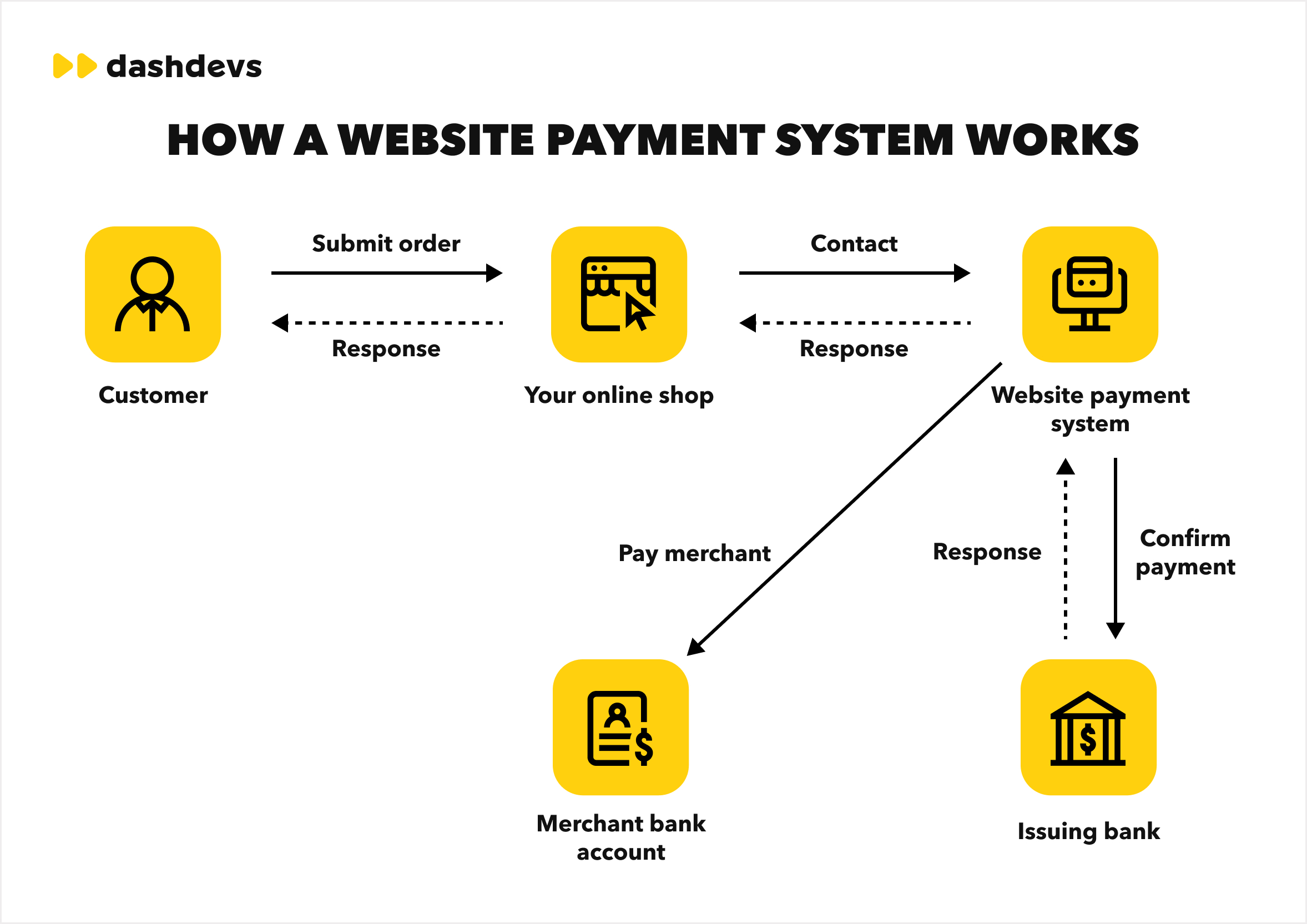
Crypto Card for SaaS Procurement: 2026 Business Guide - How a crypto card works for SaaS subscriptions.
At the point of sale, the merchant sees a standard card transaction. Behind the scenes, the card program handles the conversion and settlement.
- Fund one corporate account. The company deposits stablecoins such as USDT or USDC into a single account rather than spreading funds across exchanges and bank accounts.
- Issue virtual cards at scale. Finance issues a virtual card per vendor, per team, or per project. Virtual cards activate immediately, which matters when a subscription needs to be paid today.
- Set limits and rules. Each card can carry its own monthly cap, merchant category restrictions, or expiry date, so a marketing card can't be used for personal purchases.
- Spend at checkout. When the subscription renews, the card is charged in the vendor's billing currency. The platform converts the equivalent stablecoin value and settles the transaction.
- Track and reconcile. Every charge appears in a dashboard with the vendor name, amount, currency, and card owner, ready to export for accounting.
This model is closest to the "preload and pre-convert" or "auto-convert on spend" approaches described in ChainUp's overview of crypto debit cards. For SaaS, the auto-convert model is usually simpler because renewals happen without warning, while pre-converting a monthly budget gives finance tighter control over exchange rates.
Where crypto cards add the most value in procurement

Crypto Card for SaaS Procurement: 2026 Business Guide - Where crypto cards add the most value in procurement.
Not every SaaS purchase benefits equally. The gains are largest where recurring billing, cross-border vendors, and treasury in digital assets overlap.
AI and productivity subscriptions
Tools like ChatGPT, Claude, and Midjourney bill monthly on a saved card. A dedicated virtual card per tool keeps renewals from failing and makes it obvious which team owns the cost. If you want a deeper walkthrough of that specific workflow, see the guide on subscribing to ChatGPT with stablecoins.
Cloud and infrastructure
AWS, Azure, and similar platforms can generate large, variable monthly charges. A card with a high limit and real-time alerts prevents surprise declines and gives finance visibility before the invoice lands.
Design, analytics, and collaboration software
Figma, Notion, and comparable tools are typically bought by individual teams. Issuing a virtual card per team — rather than one shared company card — turns procurement into a controlled, auditable process. The Notion subscription crypto card guide covers the mechanics of paying a Stripe-billed vendor from a stablecoin balance.
Digital advertising and growth tools
Ad platforms and marketing SaaS often sit in the same budget. High-limit virtual cards reduce the risk of account suspensions caused by failed payments, which is a common problem when ad spend scales quickly.
Global vendor payments
When vendors bill in different currencies, automatic multi-currency settlement removes the need to hold balances in five different bank accounts. This is the same logic behind broader B2B crypto card programs.
Crypto card vs. traditional corporate card for SaaS
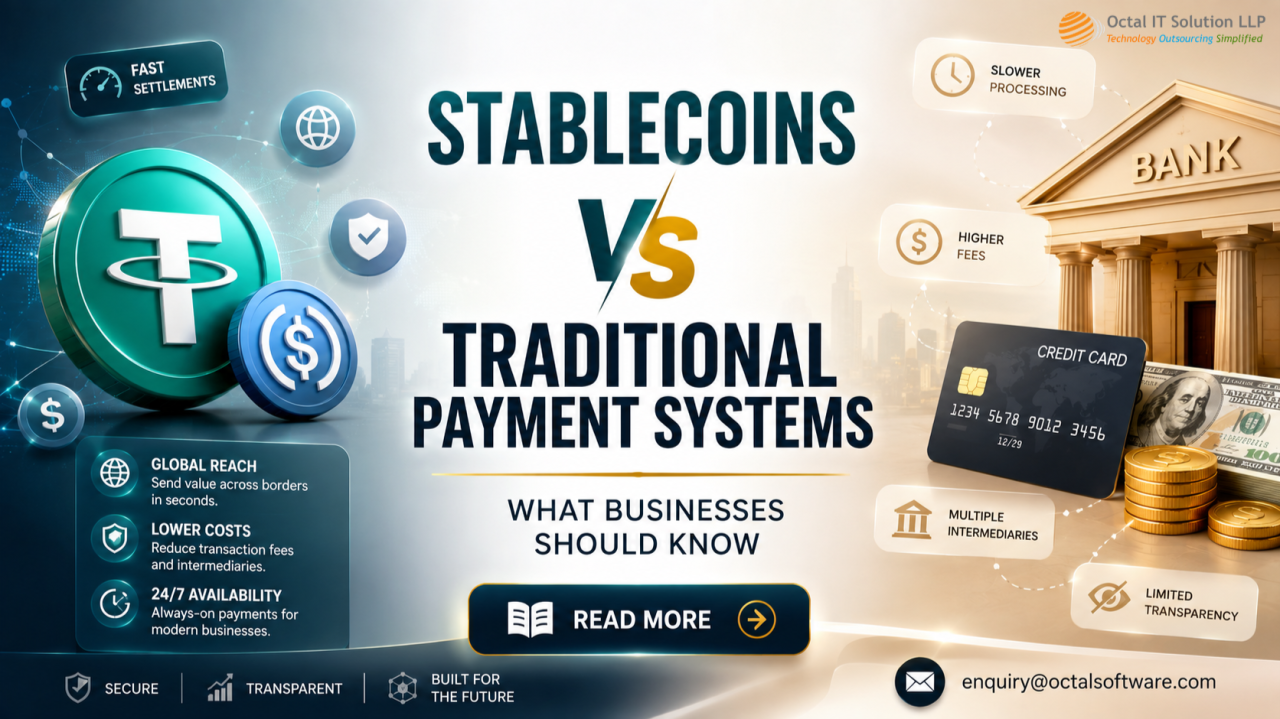
Crypto Card for SaaS Procurement: 2026 Business Guide - Crypto card vs. traditional corporate card for SaaS.
| Factor | Traditional corporate card | Crypto card for SaaS procurement |
|---|---|---|
| Treasury source | Fiat bank account | Stablecoins such as USDT or USDC |
| Currency handling | Per-transaction FX fees | Automatic multi-currency settlement |
| Card issuance | Often limited or slow | Virtual cards issued instantly at scale |
| Spend controls | Basic limits | Per-card limits, merchant categories, expiry |
| Reconciliation | End-of-day or monthly feeds | Real-time transaction data |
| Best fit | Fiat-native companies | Crypto-native and globally scaling businesses |
Traditional cards still make sense for companies whose entire treasury is in fiat and whose vendors all bill locally. Crypto cards make sense when digital assets are already part of the balance sheet and procurement spans borders.
What to check before choosing a provider
SaaS procurement is repetitive and predictable, which means small operational weaknesses compound quickly. Evaluate providers on these points:
- Funding assets. Confirm which stablecoins are supported and whether conversion happens automatically at renewal.
- Card issuance limits. You may need dozens of virtual cards, not five. Check whether issuance is capped.
- Currency coverage. If your vendors bill in USD, EUR, and GBP, the platform should settle in all of them without manual steps.
- Spend controls. Per-card limits, merchant category restrictions, and instant freeze are baseline requirements.
- Custody and segregation. Client funds should be held in segregated accounts with licensed custodians, not commingled with operating capital.
- Reporting. Look for exportable transaction data that maps cleanly to your accounting workflow.
- Regulatory posture. Payment, custody, and card issuance should be handled through licensed partners in the jurisdictions you operate in.
For a side-by-side look at how different platforms handle these trade-offs, the comparison of Cardfornia, Request Finance, and Sparados breaks down stablecoin funding, card controls, and global payment coverage.
How Cardfornia fits into a SaaS procurement stack
Cardfornia is a Singapore-based platform that provides crypto virtual cards for corporate businesses and startups. Companies fund a single account with stablecoins such as USDT and USDC, then issue multi-currency virtual cards to teams at scale while retaining real-time control over operating expenses.
For SaaS procurement specifically, three capabilities matter:
- Automatic multi-currency settlement so subscriptions billed in different currencies clear without manual conversion.
- High-limit virtual cards that reduce the risk of failed renewals on high-value tools like cloud platforms and ad accounts.
- Real-time currency exchange for cross-border transactions, which keeps vendor payments predictable.
Cardfornia holds client funds 100% in segregated accounts with third-party licensed custodians, and its payment, custody, and card-issuing activities run through licensed partners with regulatory approvals in jurisdictions including Hong Kong, the UK, the US, and Canada. Security practices are guided by ISO/IEC 27001 standards. The platform positions itself as a technology company building corporate spending tools for the digital-asset era, which is a useful framing when procurement teams need to justify a new vendor to compliance.
A practical setup checklist
If you're moving SaaS procurement onto a crypto card, start with a controlled pilot:
- Inventory recurring subscriptions. List every tool, its billing currency, renewal date, and current payment method.
- Group by owner. Assign each subscription to the team that uses it, not to a central finance queue.
- Issue one virtual card per vendor. This makes disputes, cancellations, and audits dramatically easier.
- Set limits slightly above expected spend. Leave headroom for usage-based tools like cloud and ad platforms.
- Migrate in batches. Move low-risk tools first, then high-value infrastructure once the workflow is proven.
- Reconcile monthly. Match card transactions to vendor invoices and close the loop in your accounting system.
Related reading
- Cardfornia vs Cryptopay Business vs Sparados (2026) - Cardfornia vs Cryptopay Business vs Sparados compared: crypto payment gateways, expense management, and stablecoin corporate cards for 2026.
- Instant Crypto Virtual Cards: 2026 Business Guide - Instant crypto virtual cards turn USDT or USDC into a spendable card in minutes. Learn how they work, fees, limits, and how businesses issue them at scale.
Sources and further reading
- Crypto Card for Business | Corporate Crypto Account & Team Cards | Digitap - Issue corporate crypto cards with custom limits and real-time tracking. Manage team budgets, payments, and expense reports through a single crypto account for business.
- How Crypto Business Cards Simplify Global Expense Management - Discover how crypto business cards transform corporate spending by combining digital assets and fiat in one platform. Streamline business expense management with real-time controls and seamless crypto-to-fiat payments.
FAQ
Can I pay for SaaS subscriptions directly with USDT or USDC?
Most SaaS vendors don't accept crypto directly. They bill through card processors like Stripe. A crypto card bridges this by converting your stablecoin balance into the vendor's billing currency at the moment of the charge, so the vendor receives fiat while your treasury stays in digital assets.
Do crypto cards work for recurring subscriptions?
Yes, provided the card is funded and the platform supports auto-conversion at renewal. This is the main reason procurement teams prefer stablecoin-funded cards over volatile assets — the balance doesn't swing between billing cycles.
What happens if a card is declined?
Declines usually happen when a card hits its limit or the account balance is insufficient. Real-time alerts and per-card limits help prevent this, but it's worth keeping a backup card on file for business-critical tools.
Are crypto cards compliant for corporate use?
Compliance depends on the provider. Look for platforms that hold client funds in segregated accounts with licensed custodians and that perform payment, custody, and card issuance through regulated partners. Cardfornia, for example, operates through licensed partners with approvals in multiple jurisdictions.
How many virtual cards can a company issue?
This varies by provider. Some platforms cap issuance, while others allow unlimited virtual cards. For SaaS procurement, you generally want at least one card per vendor plus spare cards for new tools.
Is a crypto card cheaper than a traditional corporate card for SaaS?
It depends on your currency mix. If your vendors bill in multiple currencies, automatic multi-currency settlement can reduce FX costs compared to per-transaction conversion fees on a traditional card. If everything bills in your home currency, the difference is smaller.
Conclusion
SaaS procurement rewards predictability. The tools renew on schedule, the amounts are roughly known, and the only real variables are currency and payment reliability. A crypto card designed for corporate spending turns those variables into settings rather than problems: stablecoin funding keeps the treasury intact, virtual cards give each team controlled access, and automatic settlement keeps subscriptions running without manual intervention.
Start with a subscription inventory, pilot a handful of virtual cards, and expand once reconciliation proves clean. For crypto-native companies and globally scaling businesses, that approach turns procurement from a recurring headache into a routine finance operation.