
Figma Payment Virtual Card: Design Files vs Real Cards
Figma Payment Virtual Card: Design Files vs Real Cards
People searching for a "Figma payment virtual card" usually want one of two very different things. Some are designers looking for a Figma community file — a mockup, UI kit, or prototype of a virtual card they can drop into a project. Others run a company that pays for Figma and want a real virtual card that can cover the subscription without exposing a main bank account.
Those two needs lead to completely different tools. This article separates them clearly, shows what the Figma community actually offers, and explains how businesses issue working virtual cards for software subscriptions, ad spend, and team expenses.
What a Figma payment virtual card usually means

Figma Payment Virtual Card: Design Files vs Real Cards - What a Figma payment virtual card usually means.
The phrase combines three separate concepts, and mixing them up is the main reason this search feels confusing:
- A Figma design file that depicts a payment card — a visual asset, not a payment instrument.
- A virtual card used to pay Figma — a real card number issued by a bank or fintech, used to cover a Figma subscription.
- A card design system inside Figma — components, variants, and states used by product teams building a fintech app.
If you are a designer, you want the first or third. If you are a finance or operations lead, you want the second. The rest of this article covers both, starting with the design side because that is what most Figma community results deliver.
What the Figma community actually offers
Figma Payment Virtual Card: Design Files vs Real Cards - What the Figma community actually offers.
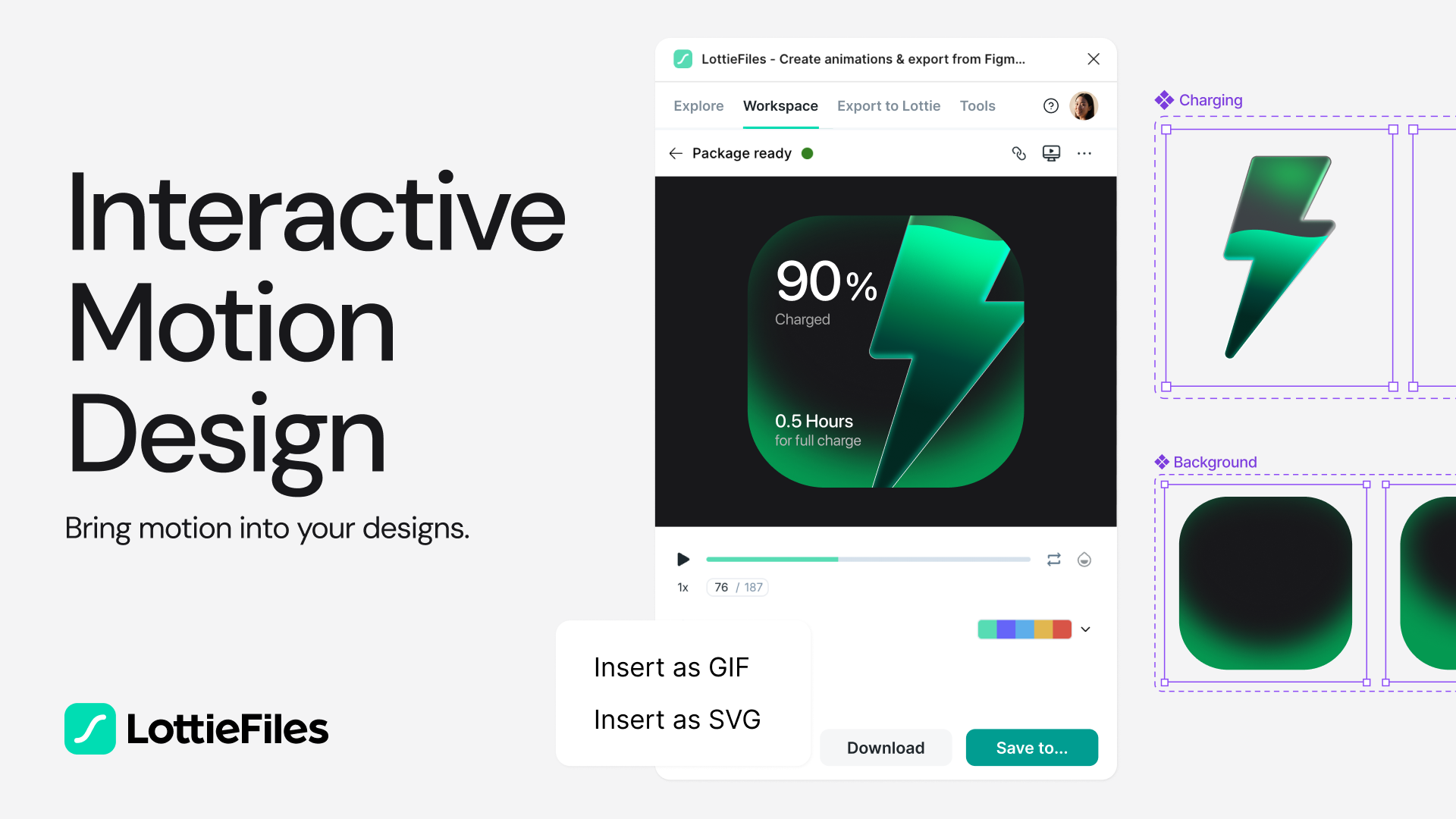
Figma's community is a public library of files shared by designers. Searching for virtual cards there returns design resources rather than payment products. Three patterns show up repeatedly:
1. Tutorial-style app designs
Some files are framed as beginner-friendly exercises: build a payment app screen with a virtual card component, learn auto layout, practice prototyping. These are teaching assets. They help you learn Figma, not accept payments.
2. Customizable card design apps
Other files present a virtual card design application with templates, color options, and layout variations. The description promises personalization and creative control — useful for mockups, portfolios, and client presentations.
3. Banking card UI kits
A third category is the card pack: multiple card layouts with patterns, gradients, and front/back variants. These are built for product designers who need realistic card visuals inside a larger fintech interface.
You can browse examples directly in the Figma community, such as Payment App - Virtual Cards, virtual cards, and Payment Bank Cards.
What these files cannot do
A Figma file has no card number, no BIN, no issuer, and no settlement layer. It cannot be charged, refunded, frozen, or reconciled. If your goal is to pay a real vendor, a design file is the wrong starting point — no matter how polished it looks.
The other half of the search: paying for Figma with a virtual card

Figma Payment Virtual Card: Design Files vs Real Cards - The other half of the search: paying for Figma with a virtual card.
Figma is a subscription product. Teams pay monthly or annually per editor seat, and the bill often grows quietly as more people join projects. That makes it a classic candidate for a dedicated virtual card.
Why finance teams isolate software subscriptions
Putting every SaaS tool on one corporate card creates three problems:
- No granular visibility. A single statement line for "software" hides which team spent what.
- Blast radius. If one card number is compromised, every subscription attached to it is exposed.
- Currency friction. Vendors bill in different currencies, and FX fees accumulate across dozens of small charges.
A virtual card per vendor or per team solves all three. Each card has its own number, its own limit, and its own transaction history.
Where crypto-native companies fit
Companies that hold treasury in stablecoins face an extra step: converting USDT or USDC to fiat before paying a card bill. Platforms built for this use case let a business fund one account with stablecoins and issue virtual cards against that balance.
Cardfornia is one example: a Singapore-based platform that issues multi-currency virtual cards to teams, funded with USDT or USDC, with real-time controls over operating expenses. Its stated use cases include SaaS and cloud subscriptions such as AWS, Azure, and Figma, alongside AI tool subscriptions and digital advertising. Client funds are held in segregated accounts with third-party licensed custodians, and card issuing runs through licensed partners.
That structure matters for a subscription like Figma because the charge is recurring and predictable. You can set a card limit close to the actual seat cost, so an unexpected price change or a duplicate charge is visible immediately.
If you are comparing providers, the business crypto card for teams buyer's guide walks through stablecoin funding, multi-card issuance, and spend controls in more detail.
Design file or real card? A decision table
Figma Payment Virtual Card: Design Files vs Real Cards - Design file or real card? A decision table.
| Your goal | Right tool | Wrong tool |
|---|---|---|
| Mock up a card screen for a portfolio | Figma community file | Any payment provider |
| Build a fintech app UI | Figma UI kit + design system | A card issuer |
| Pay a Figma subscription from a company account | Virtual card from a bank or fintech | A Figma template |
| Give each team its own software budget | Multi-card issuance platform | One shared corporate card |
| Pay vendors from a stablecoin treasury | Stablecoin-funded virtual card platform | Manual off-ramp per invoice |
How virtual card issuance works in practice
For the business side of this search, the mechanics are worth understanding before you commit to a provider.
Funding
Traditional providers fund cards from a fiat business account. Crypto-native providers accept stablecoins such as USDT or USDC into a single account, then allocate balances across cards. The second model avoids a conversion step every time a subscription renews.
Issuance and limits
Cards are typically created in a dashboard. You set a spending limit, a currency, and sometimes a merchant category restriction. Issuance speed varies: some platforms approve cards in minutes after KYC checks, which is covered in this explainer on instant crypto card issuance.
Controls and reconciliation
Real-time controls are the practical advantage over a shared card. You can freeze a card when a project ends, raise a limit for an annual plan, or tag transactions to a cost center. For a tool like Figma, where seats change month to month, that flexibility prevents both overspend and failed payments.
Currency handling
If your team is spread across countries, subscriptions may bill in USD, EUR, or GBP. Multi-currency settlement and real-time exchange reduce the number of manual conversions finance has to handle at month end.
Practical setup: paying Figma with a virtual card
A workable sequence for a small team:
- Decide whether Figma should sit on a shared software card or its own dedicated card. Dedicated is usually better once the bill passes a few hundred dollars a month.
- Set the card limit slightly above the expected monthly charge to avoid declines from tax or seat changes.
- Record the card against the Figma billing owner so renewals do not fail when someone leaves.
- Review the transaction monthly and reconcile it to the seat count.
- If you pay in stablecoins, confirm how the provider handles settlement timing and any conversion spread.
For teams comparing stablecoin card providers more broadly, Cardfornia vs Cryptopay Business vs BVNK breaks down where each model fits.
Common mistakes on both sides of the search
- Treating a Figma template as a payment solution. It is a visual asset. Nothing more.
- Using one corporate card for every SaaS tool. You lose per-vendor visibility and increase exposure.
- Ignoring FX on small subscriptions. Dozens of low-value charges can add up to a meaningful annual cost.
- Setting limits too tight. A card that declines on renewal can interrupt access to design files for the whole team.
- Skipping custody questions. If you fund cards with stablecoins, ask where the funds are held and under what regulatory arrangements.
Related reading
- Cardfornia vs Cryptopay Business vs BVNK (2026) - Cardfornia vs Cryptopay Business vs BVNK compared for 2026: stablecoin corporate cards, crypto payment gateways, and enterprise infrastructure.
- Business Crypto Card for Teams: 2026 Buyer's Guide - How business crypto cards for teams work: stablecoin funding, multi-card issuance, spend controls, FX, custody, and how to choose the right provider.
- Cardfornia vs Sparados vs BVNK: Best Crypto Card 2026 - Compare Cardfornia, Sparados, and BVNK for stablecoin corporate spending, virtual cards, expense management, and enterprise payment infrastructure.
FAQ
Can I get a real virtual card from Figma?
No. Figma is a design platform. It publishes community files that depict payment cards, but it does not issue payment instruments.
Are Figma virtual card templates free to use?
Many community files are free to duplicate, though individual creators set their own terms. Check the file page before using assets in commercial work.
What is the best way to pay for Figma as a business?
Use a dedicated virtual card with a limit matched to your seat count. It keeps the subscription isolated, simplifies reconciliation, and limits exposure if the number is ever compromised.
Can I pay for Figma with a crypto-funded card?
Yes, if your provider issues cards funded by stablecoins such as USDT or USDC. The card itself still settles with the merchant in fiat; the crypto sits on the funding side.
Do I need a design file to issue virtual cards?
No. Issuance happens in a provider dashboard. Design files are only relevant if you are building your own product interface.
Conclusion
The "Figma payment virtual card" search splits cleanly in two. If you are designing, the Figma community has plenty of card mockups, UI kits, and tutorial files — pick one that matches your layout needs and treat it as a visual asset. If you are paying, you need an actual issuer: a bank or a fintech platform that gives your company card numbers, limits, and controls.
For crypto-native businesses, the practical path is a stablecoin-funded account that issues multi-currency virtual cards per team or per vendor. That keeps a recurring Figma bill predictable, visible, and separate from the rest of your spending — which is the whole point of using a virtual card in the first place.