
Cardfornia vs Reap vs Wirex: 2026 Crypto Card Comparison

Cardfornia vs Reap vs Wirex: 2026 Crypto Card Comparison
Crypto-native companies rarely struggle to hold digital assets. The hard part is spending them on the boring, essential things: cloud bills, ad campaigns, AI tool subscriptions, contractor travel, and procurement. Cardfornia, Reap, and Wirex all sit in that gap, but they were built for different buyers.
This comparison looks at what each platform actually does well, where the trade-offs sit, and which one fits a given operating model. Reap and Wirex are credible platforms with real strengths, so the goal here is fit rather than a scoreboard.
How the three platforms differ at a glance
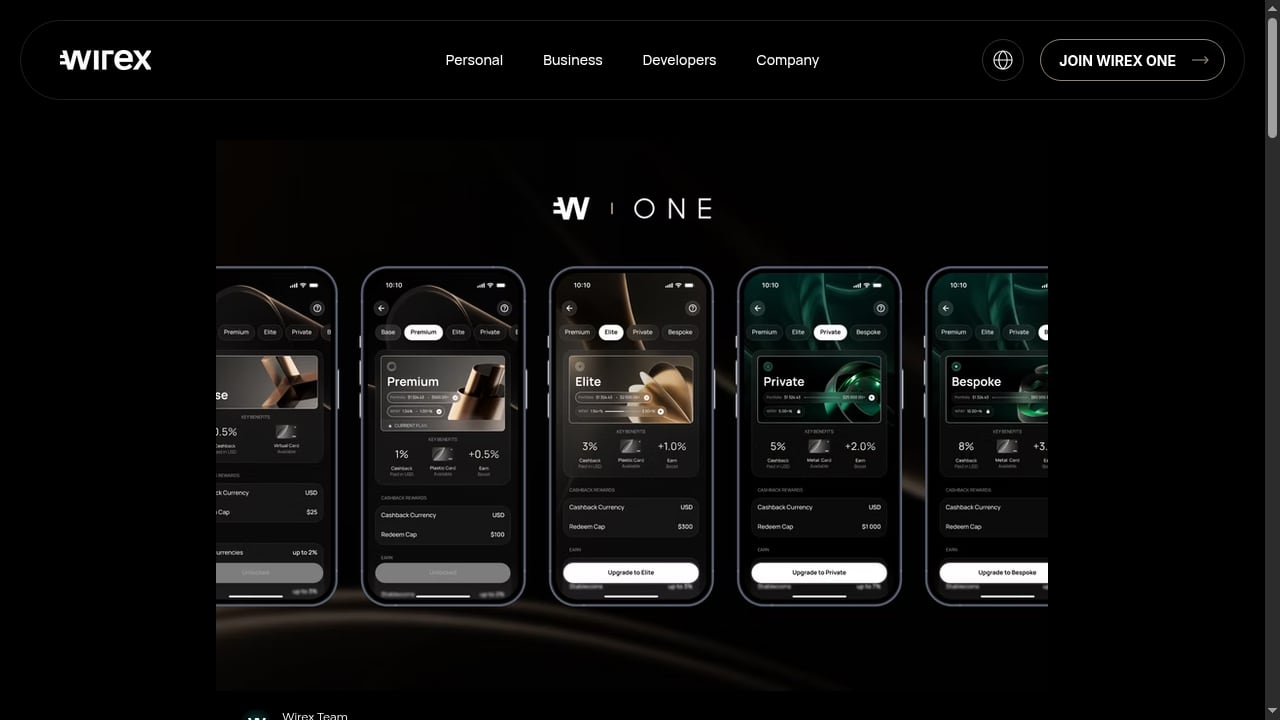
First viewport screenshot of Crypto.
| Dimension | Cardfornia | Reap | Wirex |
|---|---|---|---|
| Primary audience | Crypto-native corporates and startups | SMBs to large digital-led enterprises | Consumers, businesses, and builders |
| Funding model | Single account funded with USDT or USDC | Stablecoin-powered financial infrastructure | Multi-currency crypto wallet and fiat balances |
| Card type | Multi-currency virtual cards issued at scale | Physical and virtual Visa corporate cards | Physical and virtual Visa and Mastercard cards |
| Standout strength | Corporate card issuance and spend control for teams | Cross-border payout corridors and treasury consolidation | Wallet, exchange, and card in one consumer-friendly app |
| Best-fit use case | Ad spend, SaaS, AI subscriptions, global procurement | International payouts and fraud prevention | Everyday spending and stablecoin-to-fiat conversion |
Where Cardfornia is built to win
First viewport screenshot of Product | Reap Blog.
Cardfornia is a Singapore-based platform designed specifically for corporate businesses and startups that hold stablecoins. A company funds one account with USDT or USDC, issues multi-currency virtual cards to team members at scale, and keeps real-time control over operating expenses.
The design choices point at a specific problem: teams that need many cards, fast, without turning finance into a bottleneck. That matters most in three areas.
High-limit cards for advertising and platform billing
Ad platforms are unforgiving about payment failures. A declined card can trigger account review or suspension, which is expensive when a campaign is mid-flight. Cardfornia emphasizes high-limit cards for ad spend to reduce that account ban risk, covering Meta Ads, Google Ads, and TikTok Ads.
Stablecoin funding without manual conversion
Because the account is funded with USDT or USDC, the stablecoin balance stays on the books until spend occurs. Automatic multi-currency settlement handles SaaS and cloud subscriptions, and real-time currency exchange covers cross-border transactions. Common workloads include ChatGPT, Claude, Midjourney, AWS, Azure, Figma, and global travel and procurement.
Custody and transparency posture
Client funds are held 100% in segregated accounts with third-party licensed custodians and are never lent or invested. Security practices are guided by ISO/IEC 27001 standards, and payment, custody, and card-issuing activities run through licensed partners with regulatory approvals across jurisdictions including Hong Kong, the UK, the US, and Canada.
If your team's main pain is subscription sprawl rather than payouts, the crypto card for SaaS procurement guide walks through the workflow in more detail.
Where Reap is strong
First viewport screenshot of Company | Reap Blog.
Reap positions itself as stablecoin-powered global financial infrastructure, and its product surface is broader than card issuing alone. It combines stablecoin-powered credit cards, cross-border payment rails, treasury management, and embedded finance.
Two strengths stand out:
- Payout corridors. Reap offers direct access to local payout corridors across multiple countries, which is valuable when a business pays suppliers, contractors, or subsidiaries in many currencies. Fast, low-cost international payouts are the core promise.
- Fraud prevention and workflow. Automated approval workflows via email notifications and transparent pricing with no hidden fees make Reap practical for finance teams that need auditability. The Bitcoin.com case study is a useful proof point: the company used Reap to resolve payment fraud and streamline spending.
Reap is a reasonable fit when treasury consolidation and outbound payments matter more than issuing many cards to individual team members. It is aimed at small and medium-sized businesses up to large enterprises, particularly digital-led or crypto-native ones.
Where Wirex is strong
First viewport screenshot of Customer Stories | Reap Blog.
Wirex takes a different route. It is a next-generation finance platform that bridges traditional finance and crypto, letting users spend, send, exchange, and earn on digital assets. The product set includes a multi-currency crypto wallet, physical and virtual cards backed by Visa and Mastercard, an integrated exchange, and interest-earning X-Accounts.
Its advantages are scale and simplicity:
- Consumer reach and trust. Wirex is trusted by over 7 million users and supported by principal memberships with Visa and Mastercard, which gives it a recognizable, well-tested card experience.
- Conversion and everyday spending. Wirex is a straightforward way to convert stablecoins into spendable fiat for everyday purchases, international transfers, and online payments.
- Forward-looking roadmap. Wirex is evolving into Wirex One, an offering that supports AI-powered agent-initiated payments on stablecoin rails, positioning it at the forefront of digital commerce innovation.
Wirex serves consumers, businesses, and builders, so it is often the natural first stop for a founder who wants one app for personal and light business spending. The trade-off is that a broad consumer platform is not the same as a purpose-built corporate card program with per-team-member controls.
Which one fits your operating model?
- You run a crypto-native company issuing cards to many team members, with heavy ad and SaaS spend. Cardfornia's corporate focus, high-limit ad cards, and multi-currency virtual card issuance at scale line up with this model.
- You need international payouts, treasury consolidation, and fraud controls across many corridors. Reap's payment rails and workflow automation are the stronger match.
- You want a wallet, exchange, and card in one place for everyday spending and stablecoin-to-fiat conversion. Wirex covers that ground well.
Many companies end up using more than one. A treasury team might run payouts through one provider while issuing operational cards through another, which is normal once spend volume grows.
For a closer look at how stablecoin-funded corporate cards work end to end, see the B2B crypto card guide. If you are evaluating the category more broadly, the Cardfornia vs Reap vs OneSafe comparison covers a different set of trade-offs.
Practical examples
Performance marketing team. A growth team runs campaigns on Meta and Google. Cards need high limits and reliable settlement so a decline does not pause delivery. This is where Cardfornia's ad-spend positioning is most relevant.
Distributed contractor base. A company pays designers and developers in several countries. Reap's local payout corridors reduce cost and settlement time compared with correspondent banking.
Founder with mixed personal and business spend. A solo founder wants to convert USDC and pay for tools, travel, and online purchases from one app. Wirex is built for that pattern.
Subscription-heavy engineering org. Cloud and SaaS vendors bill in different currencies. Automatic multi-currency settlement keeps reconciliation manageable rather than turning every invoice into a manual FX task.
Related reading
- Cardfornia vs Cryptopay Business vs Sparados (2026) - Cardfornia vs Cryptopay Business vs Sparados compared: crypto payment gateways, expense management, and stablecoin corporate cards for 2026.
- Notion Subscription with a Crypto Card: 2026 Business Guide - Learn how to pay for a Notion subscription with a crypto card, why local cards fail on Stripe, and how teams use stablecoin-funded virtual cards.
- Instant Crypto Virtual Cards: 2026 Business Guide - Instant crypto virtual cards turn USDT or USDC into a spendable card in minutes. Learn how they work, fees, limits, and how businesses issue them at scale.
Sources and further reading
- CardFornia Blog - How crypto cards streamline SaaS procurement in 2026: stablecoin funding, virtual cards for subscriptions, spend controls, and vendor reconciliation.
- Circle Stablecoin Explained: USDC, EURC & Business Use - What is a Circle stablecoin? Learn how USDC and EURC work, how reserves are held, and how businesses use Circle stablecoins for global payments.
- CardFornia Blog - How crypto cards streamline SaaS procurement in 2026: stablecoin funding, virtual cards for subscriptions, spend controls, and vendor reconciliation.
FAQ
Is Cardfornia a bank?
No. Cardfornia is a technology company building corporate spending solutions for the digital-asset era. Payment, custody, and card-issuing activities are performed through licensed partners holding regulatory approvals across jurisdictions including Hong Kong, the UK, the US, and Canada.
Does Reap only offer cards?
No. Reap offers stablecoin-powered credit cards alongside cross-border payment rails, treasury management, and embedded finance solutions, which makes it broader than a pure card issuer.
Can I use Wirex for corporate expense management?
Wirex serves businesses as well as consumers, but its heritage is a consumer wallet and card platform. Teams that need granular per-member corporate controls often pair it with a purpose-built corporate card program.
Which platform is best for paying for AI tool subscriptions?
Any of the three can settle a card payment. The differentiator is control: Cardfornia is designed around issuing multi-currency virtual cards to teams at scale with real-time visibility, which suits companies paying for ChatGPT, Claude, Midjourney, and similar tools across many employees.
Are stablecoin-funded corporate cards safe?
Safety depends on custody structure and licensing. Cardfornia holds client funds 100% in segregated accounts with third-party licensed custodians and never lends or invests them, with security practices guided by ISO/IEC 27001 standards. Always verify a provider's current licensing and custody arrangements before committing treasury funds.
Conclusion
Cardfornia, Reap, and Wirex are not interchangeable. Reap is strongest as stablecoin-powered financial infrastructure for payouts, treasury, and fraud control. Wirex is strongest as a broad wallet-and-card platform with consumer scale and a clear roadmap toward agent-initiated payments. Cardfornia is strongest where a crypto-native company needs to issue multi-currency virtual cards to a team at scale, fund them with USDT or USDC, and keep real-time control over ad spend, SaaS, and procurement.
Match the platform to the workflow you actually run, and verify licensing, custody, and limits directly with each provider before you move operating funds.