
Corporate Travel Stablecoin Cards: How They Work in 2026

Corporate Travel Stablecoin Cards: How They Work in 2026
Business travel has always been a friction point for finance teams: delayed reimbursements, surprise FX fees, blocked cards abroad, and expense reports that take weeks to reconcile. For companies that already hold USDC or USDT in treasury, a corporate travel stablecoin card removes much of that friction by letting teams spend digital dollars directly through Visa or Mastercard rails — without a manual off-ramp for every hotel, flight, or client dinner.
This guide explains how stablecoin-backed corporate travel cards work, what to look for when choosing one, and where platforms like Cardfornia fit into a modern travel spend stack.
What Is a Corporate Travel Stablecoin Card?
Corporate Travel Stablecoin Cards: How They Work in 2026 - What Is a Corporate Travel Stablecoin Card?.
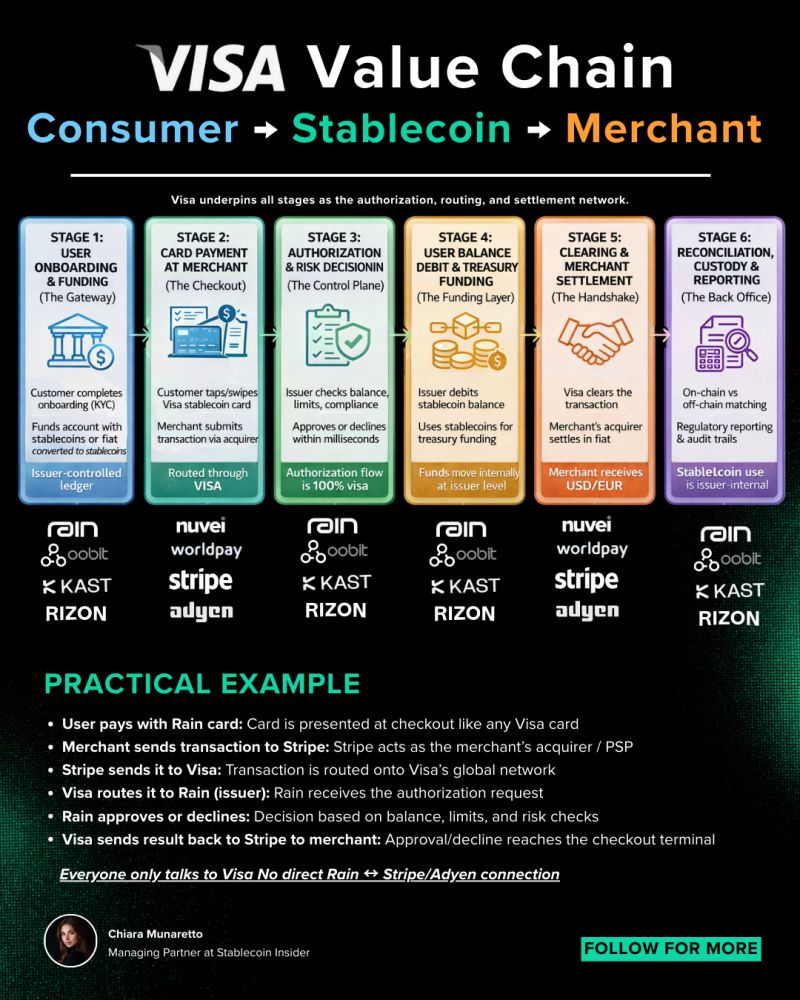
A corporate travel stablecoin card is a business card funded or collateralized with stablecoins such as USDC or USDT. The card itself runs on a traditional network — usually Visa or Mastercard — so it works at the same hotels, airlines, ride-hailing apps, and restaurants that accept ordinary corporate cards. The difference is the funding layer: instead of drawing on a fiat credit line or bank balance, the card draws on stablecoin liquidity held by the company.
Visa has noted that stablecoin-linked cards can reach more than 175 million merchant locations globally, which is why card-network distribution matters as much as the stablecoin itself. For a traveling employee, the experience is nearly identical to a standard corporate card. For the finance team, the difference is faster settlement, fewer conversion steps, and tighter control over digital-asset treasury.
Why Finance Teams Are Switching Travel Spend to Stablecoins

Corporate Travel Stablecoin Cards: How They Work in 2026 - Why Finance Teams Are Switching Travel Spend to Stablecoins.
Companies that operate across borders — remote-first startups, crypto-native teams, agencies with global clients — often hold stablecoins as working capital. Using those balances for travel spend creates several advantages:
- No per-trip off-ramp. Instead of converting USDC to fiat, waiting for a bank transfer, and then loading a card, the stablecoin balance becomes spendable directly.
- Predictable FX. Many stablecoin card platforms settle against a dollar-based balance, reducing the spread and delay that come with traditional multi-currency cards.
- Real-time visibility. Per-card limits, merchant category controls, and instant transaction notifications give finance teams a live view of travel spend.
- Faster reconciliation. Because every card maps to a stablecoin-funded account, transactions land in the same dashboard as other operating expenses.
How Stablecoin Travel Cards Actually Settle

Corporate Travel Stablecoin Cards: How They Work in 2026 - How Stablecoin Travel Cards Actually Settle.
There are two common models, and they behave differently in practice:
Prepaid / Debit-Style Model
You fund an account with USDC or USDT, and each card transaction debits that balance. Settlement happens at the time of purchase, and the card stops working when the balance is exhausted. This model is straightforward and gives finance teams hard limits by design.
Secured Credit Model
You collateralize a credit line with stablecoins held by a custodian. The card is a true Visa or Mastercard credit product, and you repay monthly in fiat or stablecoin. Providers like Reap use this model, describing it as a secured corporate credit card backed 1:1 by collateral. The advantage is broader acceptance and a post-paid cash flow cycle; the trade-off is that you are managing a credit facility rather than a simple prepaid balance.
For travel specifically, both models work. The right choice depends on whether your team prefers hard spending caps (prepaid) or a monthly repayment cycle (secured credit).
Key Features to Evaluate for Travel Use

Corporate Travel Stablecoin Cards: How They Work in 2026 - Key Features to Evaluate for Travel Use.
Not every stablecoin card is built for travel. When comparing providers, look for these capabilities:
1. Card Network Coverage
A card is only useful abroad if the network is accepted where your team travels. Visa and Mastercard both offer broad global acceptance, but some providers issue on only one network. Confirm which network the card runs on and whether physical cards are available alongside virtual ones.
2. Multi-Currency Settlement
Travel often involves paying in currencies other than USD. The best travel-focused cards settle against a dollar-based stablecoin balance without adding a separate FX markup on every transaction. Ask whether the platform applies its own spread or passes through network rates.
3. Per-Card and Per-Trip Controls
Look for the ability to set daily, monthly, or trip-specific limits; restrict spending by merchant category (hotels, airlines, dining); and freeze or replace cards instantly from a dashboard. These controls matter most when employees are in different time zones and finance cannot manually approve every charge.
4. Mobile Wallet Support
Apple Pay and Google Pay support is now table stakes for travel cards. It lets employees pay with their phone when a physical card is lost, stolen, or simply left in a hotel room.
5. ATM Access
Some corporate stablecoin cards support cash withdrawals where the network operates. If your team travels to cash-heavy markets, confirm ATM limits and fees before relying on the card as a primary travel tool.
Stablecoin Card Providers for Corporate Travel in 2026
The market now spans three categories: spend-ready corporate cards, consumer cards that professionals sometimes repurpose, and infrastructure platforms that power other companies' card programs. For travel, you want a spend-ready corporate product, not an issuing API.
Cardfornia
Cardfornia is a Singapore-based platform that provides crypto virtual cards designed specifically for corporate businesses and startups. Teams fund a single account with USDT or USDC, issue multi-currency virtual cards at scale, and manage operating expenses in real time. Global travel and procurement is one of the platform's core use cases, alongside SaaS subscriptions, AI tool subscriptions, and digital advertising.
The platform's travel-relevant strengths include automatic multi-currency settlement, real-time currency exchange for cross-border transactions, and high-limit card issuance for teams that need headroom on the road. Client funds are held 100% in segregated accounts with third-party licensed custodians, and card-issuing activities run through licensed partners with regulatory approvals across Hong Kong, the UK, the US, and Canada. For crypto-native companies that want travel spend to live in the same dashboard as ad spend and SaaS, this consolidation is the main draw. See Cardfornia pricing for fee and limit details.
Reap
Reap offers a Visa secured corporate credit card collateralized with USDC, USDT, or fiat. The card is issued directly by Reap as a Visa Principal Member in Hong Kong and Mexico, and the company reports serving more than 22,000 businesses globally. For travel, Reap's strengths are the credit model — repay monthly in stablecoin or fiat — and granular controls that can restrict spend by merchant type, location, or time of day. Our Reap review covers the platform in more depth.
Oobit Business
Oobit Business issues corporate cards funded directly from a company's USDT treasury, with unlimited card issuance, per-card limits, and Apple Pay and Google Pay support from day one. Cards settle against a dollar-based balance with no FX overhead, which is attractive for teams that travel frequently across currency zones. Oobit currently supports USDT for treasury and payments, with additional stablecoins depending on region.
PhotonPay
PhotonPay pairs stablecoin-enabled business cards with spend management on the Mastercard and Discover Global Network. It supports USDC, USDT, or fiat funding and positions itself for supplier payments, SaaS, advertising, and travel. For teams that want both physical and virtual cards plus role-based permissions, it is worth evaluating alongside the Visa-based options above.
Prepaid vs. Secured Credit: Which Fits Your Travel Program?
| Factor | Prepaid / Debit-Style | Secured Credit |
|---|---|---|
| Funding | USDC or USDT balance debited per transaction | Stablecoin collateral backs a credit line |
| Cash flow | Spend stops when balance is empty | Post-paid, repay monthly |
| Acceptance | Strong on Visa/Mastercard rails | Often slightly broader due to credit network rules |
| Risk control | Hard limit by design | Requires active credit-line management |
| Best for | Teams that want strict caps and simple reconciliation | Teams that want a monthly repayment cycle |
For most travel programs, the prepaid model is simpler to operate. The secured credit model makes sense when a company wants to preserve stablecoin liquidity during the month and settle travel spend in a single batch.
Setting Up a Travel Spend Policy That Works
A stablecoin card is only as good as the policy behind it. Finance teams that get the most value from travel cards tend to follow a consistent pattern:
- Create trip-specific virtual cards. Issue a card for each trip with a hard limit tied to the approved budget. When the trip ends, freeze or deactivate the card.
- Restrict merchant categories. Allow airlines, hotels, ground transport, and dining; block categories that should not appear on a travel card.
- Set daily velocity limits. Even within a trip budget, cap daily spend to catch fraud or misuse early.
- Require receipt uploads at point of sale. The best platforms support instant receipt capture from a mobile dashboard, which collapses the post-trip expense report into a review step.
- Reconcile in the same stablecoin ledger. Keep travel spend in the same system as SaaS, ads, and payroll so treasury reporting stays unified.
For guidance on moving USDC safely between wallets and platforms, see how to transfer USDC.
Compliance and Custody Considerations
Travel cards touch multiple regulatory surfaces: card issuance, stablecoin custody, and cross-border payments. Before choosing a provider, confirm three things:
- Custody model. Are client funds held in segregated accounts with third-party licensed custodians, or commingled with operating capital? Segregated custody is the safer structure.
- Licensing. Does the provider issue cards through licensed partners with approvals in the jurisdictions where your team travels and where your entity is based?
- Security practices. Look for 2FA, 3D Secure, instant freeze capabilities, and adherence to standards such as ISO/IEC 27001.
Cardfornia, for example, holds client funds 100% in segregated accounts with third-party licensed custodians and runs card-issuing activities through licensed partners across Hong Kong, the UK, the US, and Canada. That structure matters when a card is used in multiple countries within a single trip.
For a broader view of what regulatory safeguards look like across the market, read our guide to compliant crypto payment cards.
Common Pitfalls to Avoid
- Choosing a consumer card for corporate travel. Consumer stablecoin cards often lack per-employee controls, receipt capture, and accounting exports. Travel spend on a personal-grade card creates reconciliation chaos.
- Ignoring network coverage in target regions. A card that works well in Europe may have gaps in Southeast Asia or Latin America. Test the network footprint against your actual travel map.
- Overlooking ATM fees. Cash-heavy destinations can erode the savings from stablecoin settlement if ATM withdrawal fees are high.
- Skipping the custody question. A card with a slick dashboard but unclear custody arrangements is a risk you do not want to discover mid-trip.
Related reading
- Request Finance Review 2026: Stablecoin B2B Payments - Evidence-based Request Finance review: stablecoin payouts, AP automation, pricing, setup, limitations, and who should actually use it in 2026.
- USDC Chart: How to Read USD Coin Price, Trends & Key Levels - Learn how to read the USDC chart, what drives USD Coin price moves, key support and resistance levels, and how businesses can use USDC for spending.
Sources and further reading
- Crypto Stablecoin Corporate Credit Cards | Reap Cards - Crypto business credit cards that spend stablecoins directly as fiat. Real-time spend controls, multi-card issuance, and built-in security. Try Reap Cards today!
- 10 Best Stablecoin Card Providers in 2026 (Business & Corporate) - Compare 10 stablecoin card providers for businesses in 2026 — from corporate spend platforms like PhotonPay and Reap to infrastructure providers like Rain and Bridge. Evaluate card networks, supported stablecoins, fees, and spending controls.
- Corporate Cards Powered by Stablecoins | Oobit Business - Issue unlimited corporate cards funded directly from your stablecoin treasury. Spend globally with Visa acceptance, mobile wallet support, and finance-grade controls.
FAQ
Can I use a stablecoin corporate card for business travel abroad?
Yes. Stablecoin corporate cards run on Visa or Mastercard networks, so they work at merchants that accept those networks globally. The stablecoin balance is converted or settled in the background, while the merchant receives a standard card payment.
Which stablecoins are supported for travel cards?
USDC and USDT are the most common. Some providers support only one, while others accept both and may add fiat funding as an option. Check the specific stablecoin and network support before onboarding.
Do stablecoin travel cards charge FX fees?
It depends on the provider. Some settle directly against a dollar-based stablecoin balance with no additional FX spread, while others apply their own conversion rate. Ask for the FX policy in writing before issuing cards for international travel.
Are physical cards available, or only virtual?
Most corporate stablecoin platforms offer both. Virtual cards are sufficient for online bookings and mobile wallet payments, but a physical card is useful in markets where contactless phone payments are less common or where cash is still required.
How fast can a team start using a travel card?
Onboarding timelines vary. Some providers activate cards within 48 to 72 hours after verification, while others require more extensive KYC and entity documentation. Plan for at least a few business days before the first trip.
Is a stablecoin travel card a credit card or a debit card?
Both models exist. Prepaid or debit-style cards draw directly on a stablecoin balance, while secured credit cards use stablecoin collateral to back a credit line that is repaid monthly. The right choice depends on your cash flow preferences and risk controls.
Conclusion
A corporate travel stablecoin card turns idle digital-dollar treasury into working travel capital. The best implementations combine broad network acceptance, multi-currency settlement, granular per-trip controls, and transparent custody — all inside the same dashboard a finance team already uses for SaaS, ads, and procurement.
Platforms like Cardfornia are built for exactly this use case: fund once with USDC or USDT, issue multi-currency virtual cards to traveling teams, and keep every transaction visible in real time. Whether you choose a prepaid model or a secured credit line, the key is to match the card's controls and settlement behavior to how your company actually travels — then enforce the policy through card limits rather than expense-report hindsight.
For a deeper comparison of corporate crypto card platforms, see Cardfornia vs Banqa vs OneSafe.